
Kirjojen hintavertailu – 12 876 058 kirjaa ja 26 kauppaa

Kirjailija

Bas Janssen

Kirjat ja teokset yhdessä paikassa: 2 kirjaa, julkaisuja vuodelta 2020, suosituimpiin kuuluu Methods for Analysing and Reporting EQ-5D Data. Vertaile teosten hintoja ja tarkista saatavuus suomalaisista kirjakaupoista.

2 kirjaa

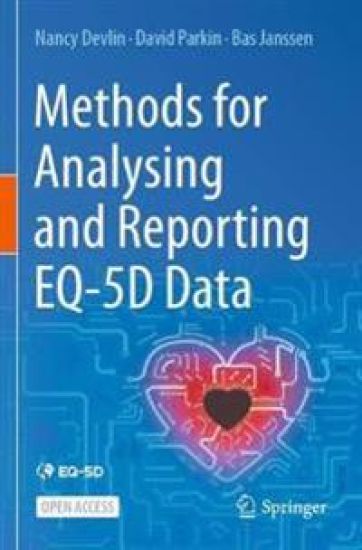
Methods for Analysing and Reporting EQ-5D Data

Methods for Analysing and Reporting EQ-5D Data

Nancy Devlin; David Parkin; Bas Janssen

Springer Nature Switzerland AG
2020
nidottu
This open access book is the first published guide about how to analyse data produced by the EQ-5D, one of the most widely used Patient Reported Outcomes questionnaires world wide. The authors provide practical, clear and comprehensive guidance in five concise chapters. Following an overview of the EQ-5D and its analysis, we describe how the questionnaire data – the EQ-5D profile and EQ VAS – can be analysed in different ways to generate important insights into peoples’ health. We then show how the value sets which accompany the EQ-5D can be applied to summarise patients’ data. The final chapter deals with advanced topics, including the use of Minimally Important Differences, case-mix adjustment, mapping, and more. This book is essential for those new to analyzing EQ-5D data and will be also be valuable for those with more experience. The methods can be applied to any EQ-5D instrument (for example, the three- and five-level and Youth versions) and many of the methodsdescribed will be equally relevant to other Patient Reported Outcomes instruments.
Methods for Analysing and Reporting EQ-5D Data

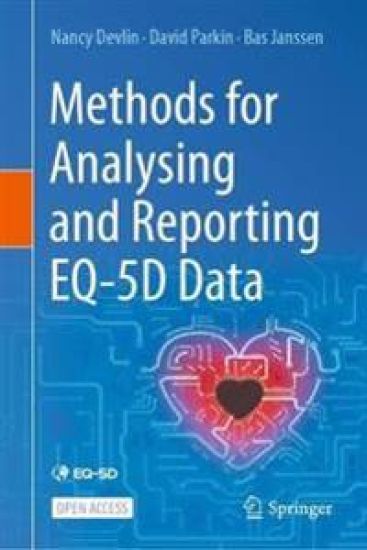
Methods for Analysing and Reporting EQ-5D Data

Nancy Devlin; David Parkin; Bas Janssen

Springer Nature Switzerland AG
2020
sidottu
This open access book is the first published guide about how to analyse data produced by the EQ-5D, one of the most widely used Patient Reported Outcomes questionnaires world wide. The authors provide practical, clear and comprehensive guidance in five concise chapters. Following an overview of the EQ-5D and its analysis, we describe how the questionnaire data – the EQ-5D profile and EQ VAS – can be analysed in different ways to generate important insights into peoples’ health. We then show how the value sets which accompany the EQ-5D can be applied to summarise patients’ data. The final chapter deals with advanced topics, including the use of Minimally Important Differences, case-mix adjustment, mapping, and more. This book is essential for those new to analyzing EQ-5D data and will be also be valuable for those with more experience. The methods can be applied to any EQ-5D instrument (for example, the three- and five-level and Youth versions) and many of the methodsdescribed will be equally relevant to other Patient Reported Outcomes instruments.