Kirjojen hintavertailu – 12 903 725 kirjaa ja 27 kauppaa

Kirjailija

Bat-Sheva Eylon

Kirjat ja teokset yhdessä paikassa: 4 kirjaa, julkaisuja vuosilta 2011–2021, suosituimpiin kuuluu Long-term Research and Development in Science Education. Vertaile teosten hintoja ja tarkista saatavuus suomalaisista kirjakaupoista.

4 kirjaa

Kirjojen julkaisuvuodet: 2011–2021.

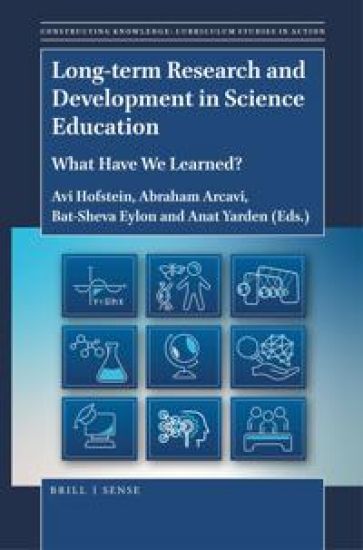
Long-term Research and Development in Science Education

Long-term Research and Development in Science Education

Avi Hofstein; Abraham Arcavi; Bat-Sheva Eylon; Anat Yarden

BRILL
2021
nidottu
Over the past 50 years the Department of Science Teaching at the Weizmann Institute of Science in Israel was actively involved in all the components related to curriculum development, implementation, and research in science, mathematics, and computer science education: both learning and teaching. These initiatives are well designed and effective examples of long-term developmental and comprehensive models of reforms in the way science and mathematics are learned and taught. The 16 chapters of the book are divided into two key parts. The first part is on curriculum development in the sciences and mathematics. The second describes the implementation of these areas and its related professional development. Following these chapters, two commentaries are written by two imminent researchers in science and mathematics teaching and learning: Professor Alan Schonfeld from UC Berkeley, USA, and Professor Ilka Parchman from IPN at the University of Kiel, Germany. The book as a whole, as well as its individual chapters, are intended for a wide audience of curriculum developers, teacher educators, researchers on learning and teaching of science and mathematics and policy makers at the university level interested in advancing models of academic departments working under a common philosophy, yet under full academic freedom. Contributors are: Abraham Arcavi, Michal Armoni, Ron Blonder, Miriam Carmeli, Jason Cooper, Rachel Rosanne Eidelman, Ruhama Even, Bat-Sheva Eylon, Alex Friedlander, Nurit Hadas, Rina Hershkowitz, Avi Hofstein, Ronnie Karsenty, Boris Koichu, Dorothy Langley, Ohad Levkovich, Smadar Levy, Rachel Mamlok-Naaman, Nir Orion, Zahava Scherz, Alan Schoenfeld, Yael Shwartz, Michal Tabach, Anat Yarden and Edit Yerushalmi.
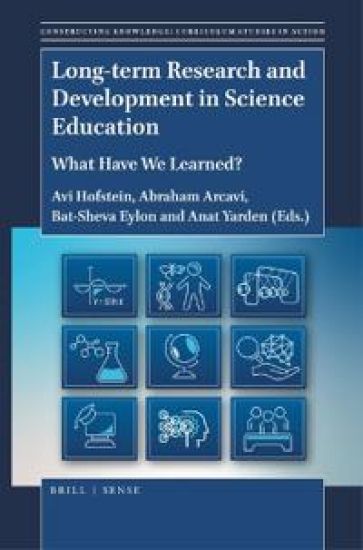
Long-Term Research and Development in Science Education: What Have We Learned?
Over the past 50 years the Department of Science Teaching at the Weizmann Institute of Science in Israel was actively involved in all the components related to curriculum development, implementation, and research in science, mathematics, and computer science education: both learning and teaching. These initiatives are well designed and effective examples of long-term developmental and comprehensive models of reforms in the way science and mathematics are learned and taught. The 16 chapters of the book are divided into two key parts. The first part is on curriculum development in the sciences and mathematics. The second describes the implementation of these areas and its related professional development. Following these chapters, two commentaries are written by two imminent researchers in science and mathematics teaching and learning: Professor Alan Schonfeld from UC Berkeley, USA, and Professor Ilka Parchman from IPN at the University of Kiel, Germany. The book as a whole, as well as its individual chapters, are intended for a wide audience of curriculum developers, teacher educators, researchers on learning and teaching of science and mathematics and policy makers at the university level interested in advancing models of academic departments working under a common philosophy, yet under full academic freedom. Contributors are: Abraham Arcavi, Michal Armoni, Ron Blonder, Miriam Carmeli, Jason Cooper, Rachel Rosanne Eidelman, Ruhama Even, Bat-Sheva Eylon, Alex Friedlander, Nurit Hadas, Rina Hershkowitz, Avi Hofstein, Ronnie Karsenty, Boris Koichu, Dorothy Langley, Ohad Levkovich, Smadar Levy, Rachel Mamlok-Naaman, Nir Orion, Zahava Scherz, Alan Schoenfeld, Yael Shwartz, Michal Tabach, Anat Yarden and Edit Yerushalmi.
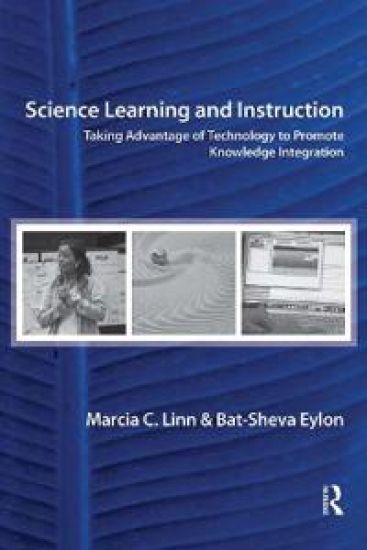
Science Learning and Instruction

Science Learning and Instruction

Marcia C. Linn; Bat-Sheva Eylon

Routledge Member of the Taylor and Francis Group
2011
nidottu
Science Learning and Instruction describes advances in understanding the nature of science learning and their implications for the design of science instruction. The authors show how design patterns, design principles, and professional development opportunities coalesce to create and sustain effective instruction in each primary scientific domain: earth science, life science, and physical science. Calling for more in depth and less fleeting coverage of science topics in order to accomplish knowledge integration, the book highlights the importance of designing the instructional materials, the examples that are introduced in each scientific domain, and the professional development that accompanies these materials. It argues that unless all these efforts are made simultaneously, educators cannot hope to improve science learning outcomes. The book also addresses how many policies, including curriculum, standards, guidelines, and standardized tests, work against the goal of integrative understanding, and discusses opportunities to rethink science education policies based on research findings from instruction that emphasizes such understanding.
Science Learning and Instruction

Science Learning and Instruction

Marcia C. Linn; Bat-Sheva Eylon

Routledge Member of the Taylor and Francis Group
2011
sidottu
Science Learning and Instruction describes advances in understanding the nature of science learning and their implications for the design of science instruction. The authors show how design patterns, design principles, and professional development opportunities coalesce to create and sustain effective instruction in each primary scientific domain: earth science, life science, and physical science. Calling for more in depth and less fleeting coverage of science topics in order to accomplish knowledge integration, the book highlights the importance of designing the instructional materials, the examples that are introduced in each scientific domain, and the professional development that accompanies these materials. It argues that unless all these efforts are made simultaneously, educators cannot hope to improve science learning outcomes. The book also addresses how many policies, including curriculum, standards, guidelines, and standardized tests, work against the goal of integrative understanding, and discusses opportunities to rethink science education policies based on research findings from instruction that emphasizes such understanding.