Kirjojen hintavertailu – 12 903 725 kirjaa ja 27 kauppaa
Kirjailija
Beat Wyss
Kirjat ja teokset yhdessä paikassa: 5 kirjaa, julkaisuja vuosilta 1999–2021, suosituimpiin kuuluu Big Plans: Modern Figures, Visionaries and Inventors. Vertaile teosten hintoja ja tarkista saatavuus suomalaisista kirjakaupoista.
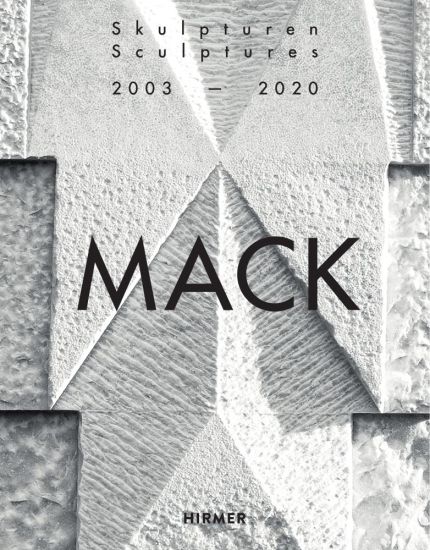
Apart from the range of materials such as natural stone, metal, wood, plaster, sand and glass, the sculptures of Heinz Mack are characterised by their elemental, powerful nature in connection with light and/or movement. In his late works the artist continues to develop themes from earlier work phases, such as the stele with its ability to transform light and determine space. Typical of the last twenty years is his increased focus on sculptures of stone like granite or marble, sometimes of monumental size. Languages: English and German
The multifarious relationships between drawing and jewellery constitute a largely unknown aspect of contemporary art jewellery. Private Confessions, the first publication on this topic, therefore focuses on graphic work by well-known and aspiring artists, opening up new perspectives through its juxtaposition with jewellery objects. In addition, it also deals with drawing as an artistic action and as autonomous expression, transgressing disciplinary boundaries through experimental expansion and the pursuit to broaden familiar terrain. It accompanies aesthetic reflection and exemplifies the creative back-and-forth that enables intimate dialogue with artistic impulses. A groundbreaking work, which showcases the fusion of applied and fine arts before your very eyes!
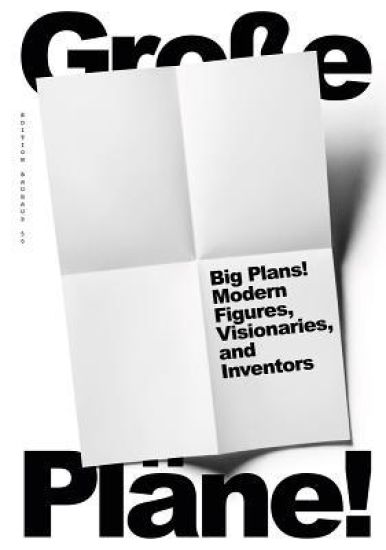
Ninety years after the Bauhaus first opened its doors in Dessau, Big Plans Modern Figures, Visionaries, and Inventors examines for the first time the role of the Bauhaus in the early modernist vision of utopia. Not just an experimental forum for the avant-garde, the Bauhaus, once it moved to Dessau, became part of an industrial region that had been a hotbed of idealized planning for the future of humanity since the end of the First World War. This visionary futurist age of Saxony-Anhalt, reflected in its local architecture, industrial production, education and advertising, continued until the rise of the Nazi party in the 1930s. Big Plans includes correspondence sent from the Bauhaus throughout this local, central German network, tracing connections between Dessau and Magdeburg, Halle (Saale), Leuna, Merseburg, Wolfen and Elbingerorde. The work of Walter Gropius, Xanti Schawinsky, Bruno Taut and Wilhelm Deffke is given particular emphasis, alongside artists, architects, politicians and engineers such as Paul Scheerbart, Josef Albers, L szlo Moholy-Nagy, Edith Dinkelmann, Leberecht Migge, Sigfried Ebeling, Friedrich Zollinger, Walter Dexel, Marinne Brandt, Ise Gropius, Hermann Eidenbenz, Hans Heinz Stuckenschmidt, Jenny Gertz, Hugo Junkers, Joost Schmidt and Herbert Bayer.
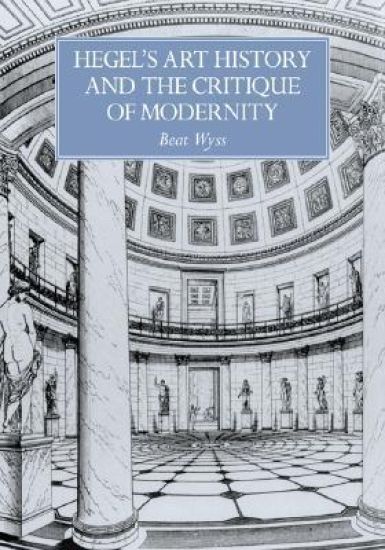
In this 1999 study, Beat Wyss provides a critical analysis of Hegel's theories of art history. Analogous to his philosophy of history, Hegel viewed the history of art in dialectical terms: with its origins in the Ancient Near East, Western art culminated in Classical Greece, but began its decline already in the Hellenistic period. Yet, as Wyss posits, art refuses its programmed demise. He highlights the political dimension of this contradiction, showing the implication of theories which subordinate art to the will of absolute rule. Wyss follows his analysis of Hegel's theories with a discussion of the work of four modern successors - Nordau, Spengler, Sedlmayr and Lukacs - all of whom adapted Hegel's dialectical model, in an effort to demonstrate the central contradictions of twentieth-century aesthetics.
In this 1999 study, Beat Wyss provides a critical analysis of Hegel's theories of art history. Analogous to his philosophy of history, Hegel viewed the history of art in dialectical terms: with its origins in the Ancient Near East, Western art culminated in Classical Greece, but began its decline already in the Hellenistic period. Yet, as Wyss posits, art refuses its programmed demise. He highlights the political dimension of this contradiction, showing the implication of theories which subordinate art to the will of absolute rule. Wyss follows his analysis of Hegel's theories with a discussion of the work of four modern successors - Nordau, Spengler, Sedlmayr and Lukacs - all of whom adapted Hegel's dialectical model, in an effort to demonstrate the central contradictions of twentieth-century aesthetics.