Kirjojen hintavertailu – 12 903 725 kirjaa ja 27 kauppaa

Kirjailija

Bechan Sharma

Kirjat ja teokset yhdessä paikassa: 6 kirjaa, julkaisuja vuosilta 2010–2021, suosituimpiin kuuluu Low Temperature Induced Stress & Biomolecular Imbalances in Silkworms. Vertaile teosten hintoja ja tarkista saatavuus suomalaisista kirjakaupoista.

6 kirjaa

Kirjojen julkaisuvuodet: 2010–2021.

Environmental Damage to DNA and the Protective Effects of Phytochemicals
Environmental Damage to DNA and the Protective Effects of Phytochemicals provides information on the toxicity of natural as well as synthetic chemicals in the living systems. These can lead to DNA damage and the emergence of serious consequences or manifestations causing varied health hazards. In addition, the ten chapters of the book reflect on the possible applications of plants or plant extracts to impart protection for living cells from the xenobiotics-mediated DNA damage. The book offers comprehensive coverage of the many essential topics in the subject including: Environmental factors and DNA damage Molecular mechanisms associated with DNA damage by various environmental (Physical, Chemical and Biological) factors Synergistic effects of environmental factors Phytochemicals acting both as DNA protectants and genotoxicants Experimental models for the study of the genotoxic potential of environmental factors and protection by phytochemicalsThis book connects readers who possess a life sciences background to the current understanding, concept and mechanisms involved in environmental-factors-mediated DNA damage. Scientific terms are introduced, defined, described and placed appropriately in the text. The protective effect of some plant extracts/phytochemicals has also been included. Environmental Damage to DNA and the Protective Effects of Phytochemicals is intended to cater the need of BSc, MSc and research students who are striving to discover the mechanism(s) associated with protection of DNA by plant-based chemicals. This is the first edition of our book and the valuable suggestions and comments from the readers are solicited.
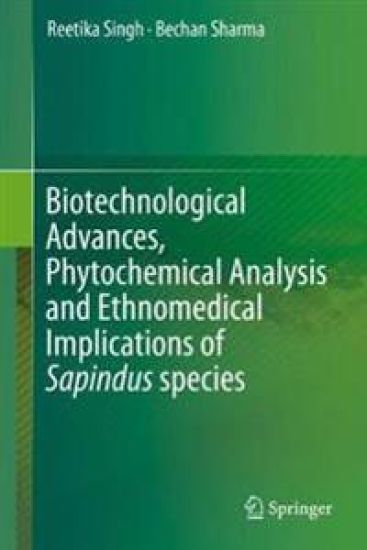
Biotechnological Advances, Phytochemical Analysis and Ethnomedical Implications of Sapindus species
Plants have always occupied a prominent position in the life of every living being. Plants are the primary source of food, shelter and medicines. The global inclination toward herbal medicine has advanced the expansion of plant-based pharmaceutical industries to a vast extent. The production of traditional medicine at global market has been estimated to touch US $5 trillion by 2050. Some of the useful plant-based drugs include vinblastine, vincristine, taxol, podophyllotoxin, camptothecin, digoxigenin, morphine, codeine, aspirin, atropine, capscicine, allicin, curcumin, artemesinin and ephedrine. Genus Sapindus is an important economical and medicinal trees, distributed over the world. Soap nuts contain higher amount of saponin, a natural detergent which can be used to clean clothes and hairs. Sapindus species possesses various pharmacological properties including antimicrobial, antioxidant, anti-inflammatory, anticancer, hepatoprotective, anti-trichomonas activity. Extracts of this plant are rich in various phytochemicals and polyphenolic compounds. All the pharmacological properties are due to presence of saponins. Biotechnological techniques can improve the saponin content; thus this chemical content can be produced at large scale and can be used as phytomedicine. We hope that this book would be of great use to under graduates, postgraduates, scientists, researchers and faculty members who are studying, teaching or working in the field of Biotechnology, Phytochemistry and Ethnopharmacology. The techniques explained in this book could be of immense use for the researchers working in this area. We shall deeply appreciate receiving any critical comments and suggestions from the readers from the different parts of globe which would help us improve the first edition of this publication.
Biotechnological Advances, Phytochemical Analysis and Ethnomedical Implications of Sapindus species
Plants have always occupied a prominent position in the life of every living being. Plants are the primary source of food, shelter and medicines. The global inclination toward herbal medicine has advanced the expansion of plant-based pharmaceutical industries to a vast extent. The production of traditional medicine at global market has been estimated to touch US $5 trillion by 2050. Some of the useful plant-based drugs include vinblastine, vincristine, taxol, podophyllotoxin, camptothecin, digoxigenin, morphine, codeine, aspirin, atropine, capscicine, allicin, curcumin, artemesinin and ephedrine. Genus Sapindus is an important economical and medicinal trees, distributed over the world. Soap nuts contain higher amount of saponin, a natural detergent which can be used to clean clothes and hairs. Sapindus species possesses various pharmacological properties including antimicrobial, antioxidant, anti-inflammatory, anticancer, hepatoprotective, anti-trichomonas activity. Extracts of this plant are rich in various phytochemicals and polyphenolic compounds. All the pharmacological properties are due to presence of saponins. Biotechnological techniques can improve the saponin content; thus this chemical content can be produced at large scale and can be used as phytomedicine. We hope that this book would be of great use to under graduates, postgraduates, scientists, researchers and faculty members who are studying, teaching or working in the field of Biotechnology, Phytochemistry and Ethnopharmacology. The techniques explained in this book could be of immense use for the researchers working in this area. We shall deeply appreciate receiving any critical comments and suggestions from the readers from the different parts of globe which would help us improve the first edition of this publication.
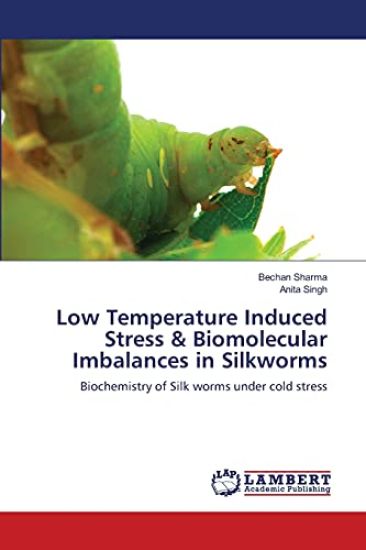
Low Temperature Induced Stress & Biomolecular Imbalances in Silkworms

Low Temperature Induced Stress & Biomolecular Imbalances in Silkworms

Bechan Sharma; Anita Singh

Lap Lambert Academic Publishing
2013
pokkari
The present title describes the entire work on this topic in five different sections to accomplish specific objectives. Section (1) describes determination of effect of low temperature treatment on longevity and morphological characteristics of P. ricini larvae. Section (2) presents the determination of the levels of some biochemical constituents in cold stressed P. ricini larvae. Section (3) deals with the evaluation of the activities of some key enzymes such in P. ricini larvae exposed to low temperature. Keeping in view the role of acetylcholinesterase (AChE) in mediating nerve impulse transmission, Section (4) was added to demonstrate the impact of cold stress on silk worms and other insects. In order to present the assessment of the impact of cold stress onto the extent of gene expression in the insects, Section (5) exhibits protein profiling of P. ricini larvae exposed to the cold shock below the sub-optimal rearing temperature for a specific time period which demonstrated the appearance of additional protein bands. We are confident that the present book may be of great use to all those interested in knowing response of insects in general and the silk worms in particular.
Recent Trends in Biotechnology

Recent Trends in Biotechnology

M P Singh; Anju Agrawal; Bechan Sharma

Nova Science Publishers Inc
2011
sidottu
The revolution in technology has led to the emergence of biotechnology which is one of the most rapidly moving branches of science and holds a lot of promises and surprises for the present and future. Spread over fourteen chapters, the book starts with ageing followed by application of RNAi and then moves to transcription regulation of plant genes. The book focuses upon the latest research and developments in diverse areas like vaccines, chemistry-biology interphase, application of bioinformatics tools, enzyme technology and mycoremediation, philosophical implication of biotechnology and genetic diversity in Indian populations.
Recent Trends in Biotechnology

Recent Trends in Biotechnology

M P Singh; Anju Agrawal; Bechan Sharma

Nova Science Publishers Inc
2010
sidottu
Biotechnology has emerged as an area of activity having tremendous impact on virtually all domains of human welfare and holds a lot of promises and surprises in some of the techniques for the present and future. Spread over fourteen chapters, the book gives an overview of biotechnological means to convert hazardous wastes into useful products, then moves to an important area of biotechnology i.e. proteomics. It touches upon the latest research and developments in diverse areas like bio-informatics, DNA bio-sensors, DNA fingerprinting, mushroom biotechnology, stem cells, bioethics, in vivo induced antigen technology, immobilisation technology, production of 7- aminocephalosporanic acid, therapeutic application of thymic peptides and cyanobacteria as a source of valuable products.