

Kirjailija
Becky Parry
Kirjat ja teokset yhdessä paikassa: 8 kirjaa, julkaisuja vuosilta 2013–2026, suosituimpiin kuuluu Healing from Psychosis. Vertaile teosten hintoja ja tarkista saatavuus suomalaisista kirjakaupoista.
8 kirjaa
Kirjojen julkaisuvuodet: 2013–2026.




Developing Media Literacy in Young Adults
David Buckingham; Andrew Burn; Becky Parry; Mandy Powell
Routledge
2023
nidottu
What are children of different ages capable of understanding about media? How does their learning develop over time? How can their learning about one aspect of media impact upon their learning about other areas? Developing Media Literacy is a succinct introduction to contemporary approaches to media education. Underpinned by the findings of a major research study into children’s media literacy, it offers clear accounts of the key areas of the media curriculum, extensive evidence about children’s changing cultural experiences, and engaging exploration of effective classroom practice and children’s media work. It covers a wide range of media themes and topics such as advertising, horror films, celebrity, news, computer games and popular television and is illustrated throughout by examples of students’ media productions. Key issues considered include: Rationales for media teaching What and how children might learn about media at different ages Understanding media language, representation, institutions and audiences Changing ideas about young people’s relationships with media Differences between students’ and teachers’ media experiences and preferences Media education and broader theories of learning Curriculum design and assessment. Written by leading, internationally recognised researchers in the field, this new title will be essential reading for all teachers, students and researchers interested in the development of media education.

Developing Media Literacy in Young Adults
David Buckingham; Andrew Burn; Becky Parry; Mandy Powell
Routledge
2023
sidottu
What are children of different ages capable of understanding about media? How does their learning develop over time? How can their learning about one aspect of media impact upon their learning about other areas? Developing Media Literacy is a succinct introduction to contemporary approaches to media education. Underpinned by the findings of a major research study into children’s media literacy, it offers clear accounts of the key areas of the media curriculum, extensive evidence about children’s changing cultural experiences, and engaging exploration of effective classroom practice and children’s media work. It covers a wide range of media themes and topics such as advertising, horror films, celebrity, news, computer games and popular television and is illustrated throughout by examples of students’ media productions. Key issues considered include: Rationales for media teaching What and how children might learn about media at different ages Understanding media language, representation, institutions and audiences Changing ideas about young people’s relationships with media Differences between students’ and teachers’ media experiences and preferences Media education and broader theories of learning Curriculum design and assessment. Written by leading, internationally recognised researchers in the field, this new title will be essential reading for all teachers, students and researchers interested in the development of media education.
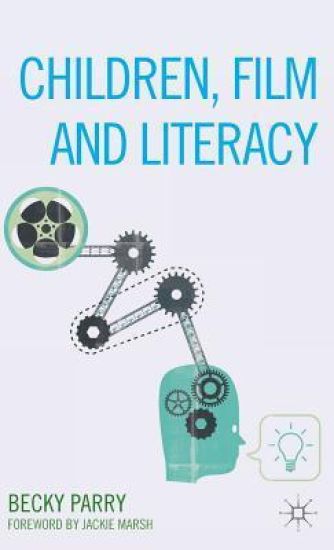
Children, Film and Literacy explores the role of film in children's lives. The films children engage in provide them with imaginative spaces in which they create, play and perform familiar and unfamiliar, fantasy and everyday narratives and this narrative play is closely connected to identity, literacy and textual practices. Family is key to the encouragement of this social play and, at school, the playground is also an important site for this activity. However, in the literacy classroom, some children encounter a discontinuity between their experiences of narrative at home and those that are valued in school. Through film children develop understandings of the common characteristics of narrative and the particular 'language' of film. This book demonstrates the ways in which children are able to express and develop distinct and complex understandings of narrative, that is to say, where they can draw on their own experiences (including those in a moving image form). Children whose primary experiences of narrative are moving images face particular challenges when their experiences are not given opportunities for expression in the classroom, and this has urgent implications for the teaching of literacy.
Children, Film and Literacy explores the role of film in children's lives. The films children engage in provide them with imaginative spaces in which they create, play and perform familiar and unfamiliar, fantasy and everyday narratives and this narrative play is closely connected to identity, literacy and textual practices. Family is key to the encouragement of this social play and, at school, the playground is also an important site for this activity. However, in the literacy classroom, some children encounter a discontinuity between their experiences of narrative at home and those that are valued in school. Through film children develop understandings of the common characteristics of narrative and the particular 'language' of film. This book demonstrates the ways in which children are able to express and develop distinct and complex understandings of narrative, that is to say, where they can draw on their own experiences (including those in a moving image form). Children whose primary experiences of narrative are moving images face particular challenges when their experiences are not given opportunities for expression in the classroom, and this has urgent implications for the teaching of literacy.