Kirjojen hintavertailu – 12 903 725 kirjaa ja 27 kauppaa
Kirjailija
Bell Irvin Wiley
Kirjat ja teokset yhdessä paikassa: 11 kirjaa, julkaisuja vuosilta 1975–2025, suosituimpiin kuuluu A Life for the Confederacy: As Recorded in the Pocket Diaries of Robert A. Moore. Vertaile teosten hintoja ja tarkista saatavuus suomalaisista kirjakaupoista.
""A Life For The Confederacy: As Recorded In The Pocket Diaries Of Robert A. Moore"" is a historical book written by Robert A. Moore. The book is a compilation of the personal diaries of Robert A. Moore, a soldier who fought for the Confederacy during the American Civil War. The diaries were discovered by the author's great-grandson and provide a unique insight into the daily life of a Confederate soldier. The book is divided into chapters that cover different periods of the war, from the early days of training to the final battles. The author provides historical context for each chapter, explaining the significance of the events that occurred during that time. The diaries themselves are presented in their original form, with annotations and explanations provided by the author. The book provides a vivid and detailed account of life as a Confederate soldier, including the hardships of camp life, the battles fought, and the relationships formed with fellow soldiers. It also offers a glimpse into the personal life of Robert A. Moore, including his thoughts on the war, his family, and his faith. Overall, ""A Life For The Confederacy: As Recorded In The Pocket Diaries Of Robert A. Moore"" is a valuable historical document that provides a unique perspective on the American Civil War. It is a must-read for anyone interested in this period of history, as well as for those interested in the personal experiences of soldiers during wartime. This scarce antiquarian book is a facsimile reprint of the old original and may contain some imperfections such as library marks and notations. Because we believe this work is culturally important, we have made it available as part of our commitment for protecting, preserving, and promoting the world's literature in affordable, high quality, modern editions, that are true to their original work.
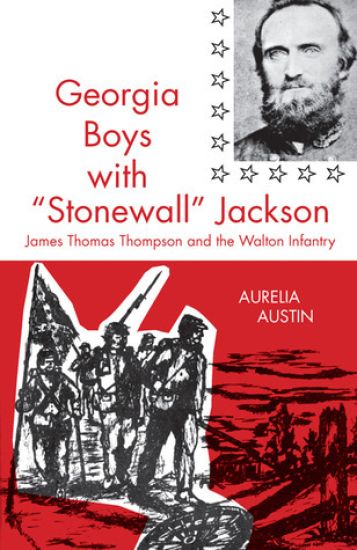
Published in 1967, the letters in this volume reveal the experiences of four Georgia soldiers who served in Company H of the Eleventh Regiment, Georgia Volunteers, under Stonewall Jackson. Most of the letters were written by James Thomas Thompson, a young farmer from Walton County. During the two years he served, Thompson seems to have never lost his enthusiasm for the soldier’s life. His letters are full of admiration for his offi cers, comments about his duties, requests for clothing, accounts of marching, advice to his father about managing the plantation, and indications of his religious faith. Other letters were written by Kittrell Warren, Captain Matthew Talbot Nunnally, and William Laseter. From their correspondence emerges a vivid description of a soldier’s daily life in the Civil War. Austin’s historical narrative provides the reader with a context for the events discussed.
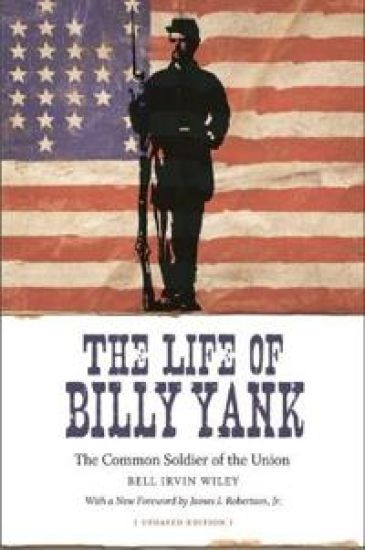
In this companion to The Life of Johnny Reb, Bell Irvin Wiley explores the daily lives of the men in blue who fought to save the Union. With the help of many soldiers' letters and diaries, Wiley explains who these men were and why they fought, how they reacted to combat and the strain of prolonged conflict, and what they thought about the land and the people of Dixie. This fascinating social history reveals that while the Yanks and the Rebs fought for very different causes, the men on both sides were very much the same. ""This wonderfully interesting book is the finest memorial the Union soldier is ever likely to have.... [Wiley] has written about the Northern troops with an admirable objectivity, with sympathy and understanding and profound respect for their fighting abilities. He has also written about them with fabulous learning and considerable pace and humor.
In this companion to The Life of Johnny Reb, Bell Irvin Wiley explores the daily lives of the men in blue who fought to save the Union. With the help of many soldiers' letters and diaries, Wiley explains who these men were and why they fought, how they reacted to combat and the strain of prolonged conflict, and what they thought about the land and the people of Dixie. This fascinating social history reveals that while the Yanks and the Rebs fought for very different causes, the men on both sides were very much the same. ""This wonderfully interesting book is the finest memorial the Union soldier is ever likely to have.... [Wiley] has written about the Northern troops with an admirable objectivity, with sympathy and understanding and profound respect for their fighting abilities. He has also written about them with fabulous learning and considerable pace and humor.
This look at the Confederate experience of soldiers, African Americans, and women sparked a debate about the reasons for southern defeat when it was first published in 1944. It challenges southern myths about a contented and loyal slave population, and questions popular morale.
Originally published forty years ago, Bell Irvin Wiley's The Road to Appomattox marked one of the first efforts by a Civil War scholar to identify the internal causes of the South's defeat. Today this elegant little book remains one of the most penetrating, thought-provoking works on the subject. In the book's three chapters, Wiley treats three broad reasons for the failure of the Confederacy: weak political leadership, low morale among the populace, and four ""internal influences"" in the South. Those four shortcomings stemmed from traits apparently endemic to southerners in general, Wiley explains, and they included disharmony among and between political and military leaders; the government's failure to provide adequate public information systems; rigidity in outlook and course of action; and poor judgment, especially of the North's strength, the South's own strength, and Europe's dependence on cotton. Recent years have witnessed a number of significant studies dealing with Confederate defeat, particularly with the failings of Davis as war leader and with the complex issue of the South's dedication to the cause. Wiley was one of the first historians to raise these issues and discuss them trenchantly. Those familiar with The Road to Appomattox will cheer the reissue of this resonant work; first-time readers will see why.