Kirjojen hintavertailu – 12 903 725 kirjaa ja 27 kauppaa
Kirjailija
Ben Goldacre
Kirjat ja teokset yhdessä paikassa: 7 kirjaa, julkaisuja vuosilta 1900–2015, suosituimpiin kuuluu Bad Pharma. Vertaile teosten hintoja ja tarkista saatavuus suomalaisista kirjakaupoista.
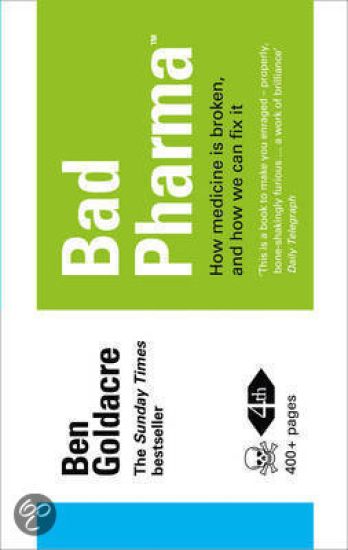
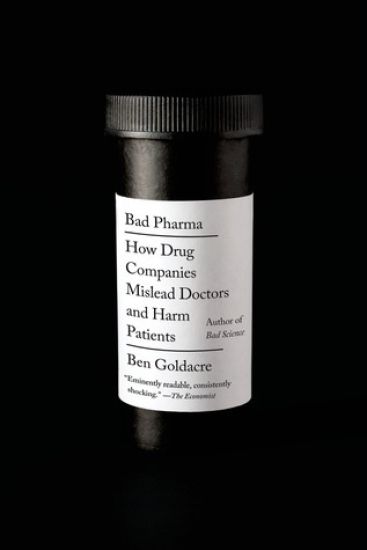
â?? Bad Scienceâ?? hilariously exposed the tricks that quacks and journalists use to distort science, becoming a 400,000 copy bestseller. Now Ben Goldacre puts the $600bn global pharmaceutical industry under the microscope. What he reveals is a fascinating, terrifying mess.
"Smart, funny, clear, unflinching: Ben Goldacre is my hero." --Mary Roach, author of Stiff, Spook, and BonkWe like to imagine that medicine is based on evidence and the results of fair testing and clinical trials. In reality, those tests and trials are often profoundly flawed. We like to imagine that doctors who write prescriptions for everything from antidepressants to cancer drugs to heart medication are familiar with the research literature about these drugs, when in reality much of the research is hidden from them by drug companies. We like to imagine that doctors are impartially educated, when in reality much of their education is funded by the pharmaceutical industry. We like to imagine that regulators have some code of ethics and let only effective drugs onto the market, when in reality they approve useless drugs, with data on side effects casually withheld from doctors and patients. All these problems have been shielded from public scrutiny because they are too complex to capture in a sound bite. Ben Goldacre shows that the true scale of this murderous disaster fully reveals itself only when the details are untangled. He believes we should all be able to understand precisely how data manipulation works and how research misconduct in the medical industry affects us on a global scale. With Goldacre's characteristic flair and a forensic attention to detail, Bad Pharma reveals a shockingly broken system in need of regulation. This is the pharmaceutical industry as it has never been seen before.
New, 21st anniversary edition, with a new foreword by Ben Goldacre, author of Bad Science and Bad Pharma, and an afterword by James Ball, covering developments in our understanding of irrationality over the last two decades. Why do doctors, army generals, high-ranking government officials and other people in positions of power make bad decisions that cause harm to others? Why do prizes serve no useful function? Why are punishments so ineffective? Why is interviewing such an unsatisfactory method of selection? Irrationality is a challenging and thought-provoking book that draws on statistical concepts, probability theory and a mass of intriguing research to expose the failings of human reasoning, judgement and intuition. The author explores the inconsistencies of human behaviour, and discovers why even the experts find it so hard to make rational and unbiased decisions. Written with clarity and occasional flashes of wry humour, this classic volume is just as relevant today as when it was first written twenty-one years ago.
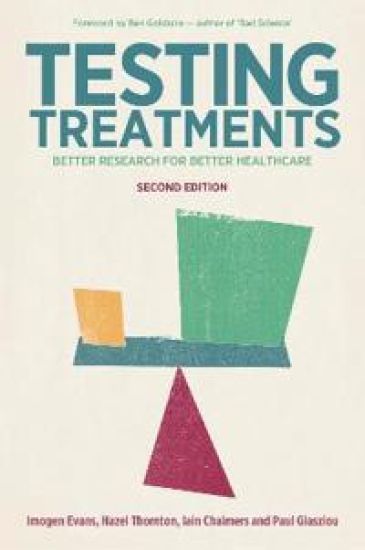
How do we know whether a particular treatment really works? How reliable is the evidence? And how do we ensure that research into medical treatments best meets the needs of patients? These are just a few of the questions addressed in a lively and informative way in Testing Treatments. Brimming with vivid examples, Testing Treatments will inspire both patients and professionals. Building on the success of the first edition, Testing Treatments has now been extensively revised and updated. The Second Edition includes a thought-provoking chapter on screening, explaining why early diagnosis is not always better. Other new chapters explore how over-regulation of research can work against the best interests of patients, and how robust evidence from research can be drawn together to shape the practice of healthcare in ways that allow treatment decisions to be reached jointly by patients and clinicians. Testing Treatments urges everyone to get involved in improving current research and future treatment, and outlines practical steps that patients and doctors can take together.
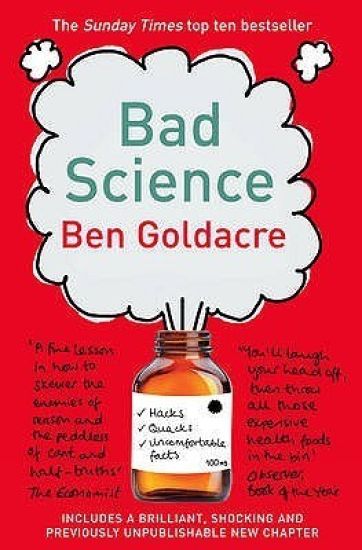
Ben Goldacreâ??s wise and witty bestseller, shortlisted for the Samuel Johnson Prize, lifts the lid on quack doctors, flaky statistics, scaremongering journalists and evil pharmaceutical corporations.
An urgent examination of statins, the drugs at the heart of debates on evidence-based medicine and of the malign influence of Big Pharma Statins are the single most commonly prescribed class of drugs in the developed world. They're taken by more than 100 million patients, with millions more people being offered them every year. We know that statins do some good. But we don't know how big the benefits are. We don't know which statins are the best. We don't know how common the side effects are. We don't give clear information to patients, so they are deprived of their right to make informed decisions about the trade-off between benefits, inconvenience, and risk. All this can be fixed with a few simple changes that weld big data onto the heart and art of medicine. In Statins, drawing on his own research, Ben Goldacre gives patients the tools they need to make their own decisions. Along the way he explores industry misdeeds; the nocebo effect, the evil twin of the placebo effect, where side effects are caused by the power of fear alone; and the differences in patients' desire for treatment and doctors' failures to empathize with this. With his characteristic wit and energy, Goldacre exposes the flaws in modern medicine and maps out the future it deserves.