Kirjojen hintavertailu – 12 859 818 kirjaa ja 27 kauppaa

Kirjailija

Benjamin Guyer

Kirjat ja teokset yhdessä paikassa: 4 kirjaa, julkaisuja vuosilta 2012–2025, suosituimpiin kuuluu Pro Communione. Vertaile teosten hintoja ja tarkista saatavuus suomalaisista kirjakaupoista.

4 kirjaa

Kirjojen julkaisuvuodet: 2012–2025.

How the English Reformation was Named

How the English Reformation was Named

Benjamin Guyer

Oxford University Press
2025
nidottu
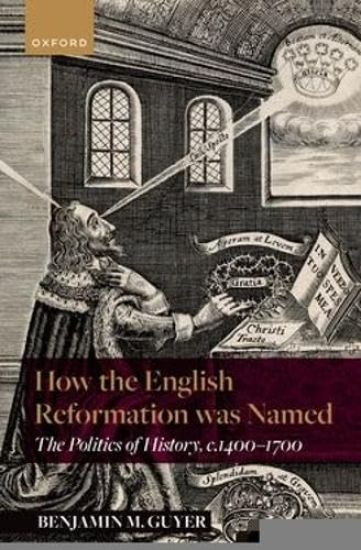
How the English Reformation was Named analyses the shifting semantics of 'reformation' in England between the fifteenth and seventeenth centuries. Originally denoting the intended aim of church councils, 'reformation' was subsequently redefined to denote violent revolt, and ultimately a series of past episodes in religious history. But despite referring to sixteenth-century religious change, the proper noun 'English Reformation' entered the historical lexicon only during the British civil wars of the 1640s. Anglican apologists coined this term to defend the Church of England against proponents of the Scottish Reformation, an event that contemporaries singled out for its violence and illegality. Using their neologism to denote select events from the mid-Tudor era, Anglicans crafted a historical narrative that enabled them to present a pristine vision of the English past, one that endeavoured to preserve amidst civil war, regicide, and political oppression. With the restoration of the monarchy and the Church of England in 1660, apologetic narrative became historiographical habit and, eventually, historical certainty.
How the English Reformation was Named

How the English Reformation was Named

Benjamin Guyer

Oxford University Press
2022
sidottu
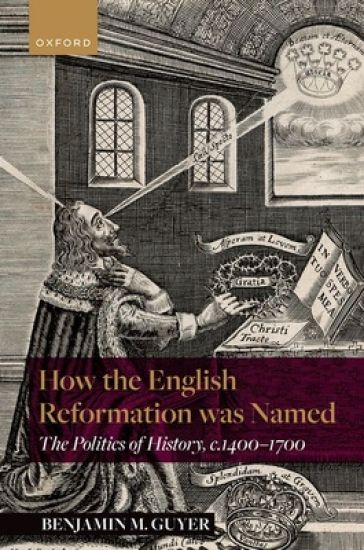
How the English Reformation was Named analyses the shifting semantics of 'reformation' in England between the fifteenth and seventeenth centuries. Originally denoting the intended aim of church councils, 'reformation' was subsequently redefined to denote violent revolt, and ultimately a series of past episodes in religious history. But despite referring to sixteenth-century religious change, the proper noun 'English Reformation' entered the historical lexicon only during the British civil wars of the 1640s. Anglican apologists coined this term to defend the Church of England against proponents of the Scottish Reformation, an event that contemporaries singled out for its violence and illegality. Using their neologism to denote select events from the mid-Tudor era, Anglicans crafted a historical narrative that enabled them to present a pristine vision of the English past, one that endeavoured to preserve amidst civil war, regicide, and political oppression. With the restoration of the monarchy and the Church of England in 1660, apologetic narrative became historiographical habit and, eventually, historical certainty.
The Beauty of Holiness

The Beauty of Holiness

Benjamin Guyer

Canterbury Press Norwich
2012
nidottu
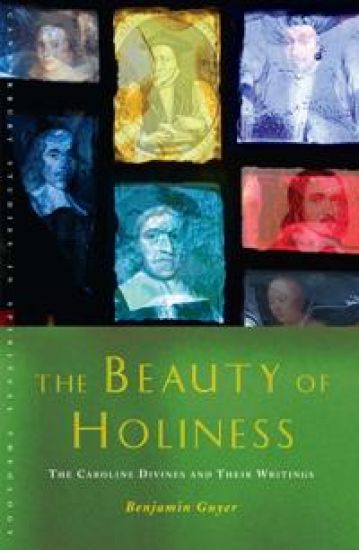
The Beauty of Holiness: The Caroline Divines and Their Writings offers an expansive and detailed portrait of the continued maturation of Anglican theology and devotion in the central half of the seventeenth century. The Caroline Divines have long been hailed as the patrons of an Anglican ‘golden age’. Their emphasis upon liturgical renewal and development, like their emphases upon learning and piety, have had a pervasive influence on the Anglican ethos that extends down to our own day. The Beauty of Holiness includes selections from key figures such as Lancelot Andrewes, John Cosin, and Jeremy Taylor, but also expands the canon of Caroline divinity to include lay writings, some of which were published posthumously. Traditional topics such as sacramental theology and private devotion are complimented by readings on poetry as a spiritual discipline, natural theology, and the importance of family prayers. Chapters survey diverse facets of Anglican orthodoxy such as liturgical practice, the cult of King Charles the Martyr, and defenses of the celebration of Christmas, while an introductory essay sets these developments within the historical context. The Beauty of Holiness thus functions as both an introduction to the Anglican past and a catechism for the Anglican present.