Kirjojen hintavertailu – 12 903 725 kirjaa ja 27 kauppaa

Kirjailija

Bernard C. Perley

Kirjat ja teokset yhdessä paikassa: 4 kirjaa, julkaisuja vuosilta 2011–2022, suosituimpiin kuuluu Defying Maliseet Language Death. Vertaile teosten hintoja ja tarkista saatavuus suomalaisista kirjakaupoista.

4 kirjaa

Kirjojen julkaisuvuodet: 2011–2022.

Anthropological Theory for the Twenty-First Century

Anthropological Theory for the Twenty-First Century

A. Lynn Bolles; Ruth Gomberg-Muñoz; Bernard C. Perley; Keri Vacanti Brondo

University of Toronto Press
2022
pokkari
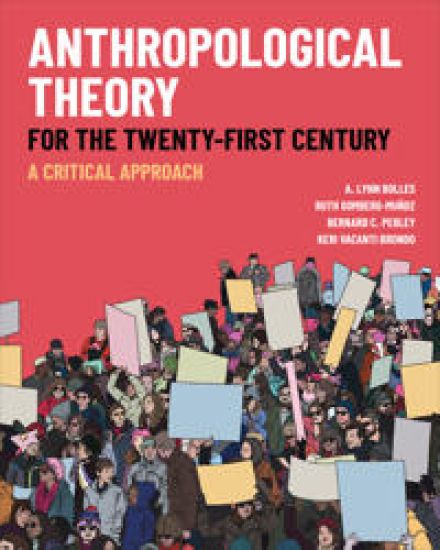
Anthropological Theory for the Twenty-First Century presents a critical approach to the study of anthropological theory for the next generation of aspiring anthropologists. Through a carefully curated selection of readings, this collection reflects the diversity of scholars who have long contributed to the development of anthropological theory, incorporating writings by scholars of color, non-Western scholars, and others whose contributions have historically been under-acknowledged. The volume puts writings from established canonical thinkers, such as Marx, Boas, and Foucault, into productive conversations with Du Bois, Ortiz, Medicine, Trouillot, Said, and many others. The editors also engage in critical conversations surrounding the "canon" itself, including its colonial history and decolonial potential. Updating the canon with late twentieth-century and early twenty-first-century scholarship, this reader includes discussions of contemporary theories such as queer theory, decolonial theory, ontology, and anti-racism. Each section is framed by clear and concise editorial introductions that place the readings in context and conversation with each other, as well as questions and glossaries to guide reader comprehension. A dynamic companion website features additional resources, including links to videos, podcasts, articles, and more.
Anthropological Theory for the Twenty-First Century

Anthropological Theory for the Twenty-First Century

A. Lynn Bolles; Ruth Gomberg-Muñoz; Bernard C. Perley; Keri Vacanti Brondo

University of Toronto Press
2022
sidottu
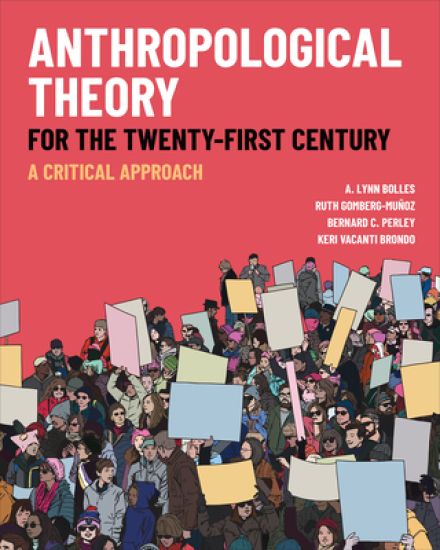
Anthropological Theory for the Twenty-First Century presents a critical approach to the study of anthropological theory for the next generation of aspiring anthropologists. Through a carefully curated selection of readings, this collection reflects the diversity of scholars who have long contributed to the development of anthropological theory, incorporating writings by scholars of color, non-Western scholars, and others whose contributions have historically been under-acknowledged. The volume puts writings from established canonical thinkers, such as Marx, Boas, and Foucault, into productive conversations with Du Bois, Ortiz, Medicine, Trouillot, Said, and many others. The editors also engage in critical conversations surrounding the "canon" itself, including its colonial history and decolonial potential. Updating the canon with late twentieth-century and early twenty-first-century scholarship, this reader includes discussions of contemporary theories such as queer theory, decolonial theory, ontology, and anti-racism. Each section is framed by clear and concise editorial introductions that place the readings in context and conversation with each other, as well as questions and glossaries to guide reader comprehension. A dynamic companion website features additional resources, including links to videos, podcasts, articles, and more.
Defying Maliseet Language Death

Defying Maliseet Language Death

Bernard C. Perley

University of Nebraska Press
2012
pokkari
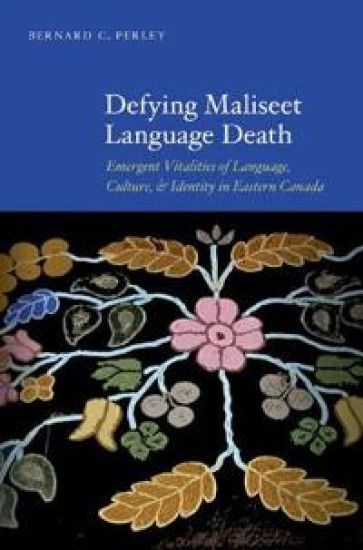
Published through the Recovering Languages and Literacies of the Americas initiative, supported by the Andrew W. Mellon Foundation Today, indigenous communities throughout North America are grappling with the dual issues of language loss and revitalization. While many communities are making efforts to bring their traditional languages back through educational programs, for some communities these efforts are not enough or have come too late to stem the tide of language death, which occurs when there are no remaining fluent speakers and the language is no longer used in regular communication. The Maliseet language, as spoken in the Tobique First Nation of New Brunswick, Canada, is one such endangered language that will either be revitalized and survive or will die off. Defying Maliseet Language Death is an ethnographic study by Bernard C. Perley, a member of this First Nation, that examines the role of the Maliseet language and its survival in Maliseet identity processes. Perley examines what is being done to keep the Maliseet language alive, who is actively involved in these processes, and how these two factors combine to promote Maliseet language survival. He also explores questions of identity, asking the important question: “If Maliseet is no longer spoken, are we still Maliseet?” This timely volume joins the dual issues of language survival and indigenous identity to present a unique perspective on the place of language within culture.
Defying Maliseet Language Death

Defying Maliseet Language Death

Bernard C. Perley

University of Nebraska Press
2011
sidottu
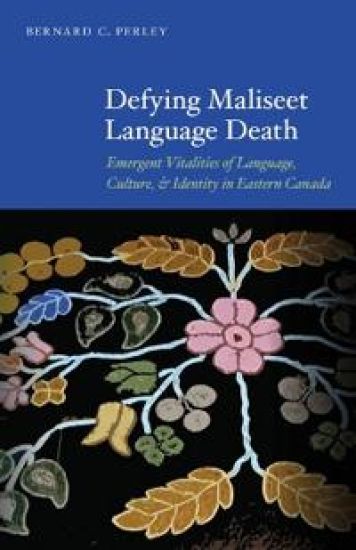
Published through the Recovering Languages and Literacies of the Americas initiative, supported by the Andrew W. Mellon Foundation Today, indigenous communities throughout North America are grappling with the dual issues of language loss and revitalization. While many communities are making efforts to bring their traditional languages back through educational programs, for some communities these efforts are not enough or have come too late to stem the tide of language death, which occurs when there are no remaining fluent speakers and the language is no longer used in regular communication. The Maliseet language, as spoken in the Tobique First Nation of New Brunswick, Canada, is one such endangered language that will either be revitalized and survive or will die off. Defying Maliseet Language Death is an ethnographic study by Bernard C. Perley, a member of this First Nation, that examines the role of the Maliseet language and its survival in Maliseet identity processes. Perley examines what is being done to keep the Maliseet language alive, who is actively involved in these processes, and how these two factors combine to promote Maliseet language survival. He also explores questions of identity, asking the important question: “If Maliseet is no longer spoken, are we still Maliseet?” This timely volume joins the dual issues of language survival and indigenous identity to present a unique perspective on the place of language within culture.