Kirjojen hintavertailu – 12 903 725 kirjaa ja 27 kauppaa

Kirjailija

Bernhard Struck

Kirjat ja teokset yhdessä paikassa: 4 kirjaa, julkaisuja vuosilta 2017–2025, suosituimpiin kuuluu Postcards, Translators and Esperanto Pioneers: An Alternative History of International Communication. Vertaile teosten hintoja ja tarkista saatavuus suomalaisista kirjakaupoista.

4 kirjaa

Kirjojen julkaisuvuodet: 2017–2025.

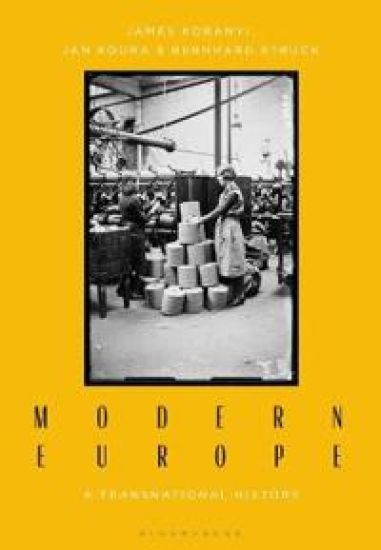
Postcards, Translators and Esperanto Pioneers: An Alternative History of International Communication

Postcards, Translators and Esperanto Pioneers: An Alternative History of International Communication

Bernhard Struck; Guilherme Fians; Claire Taylor

University of London Press
2025
nidottu

Halvin toimitettuna 31,80 €

Beyond a linguistic experiment, Esperanto was a movement--this work tells the untold story of how its pioneers built real bridges across cultures, one postcard at a time. In the early twentieth century as the world grew increasingly interconnected, a Scottish family found an unlikely tool for forging transnational connections--Esperanto. Postcards, Translators and Esperanto Pioneers unmasks the fascinating microhistory of how everyday speakers of the constructed language built international networks, exchanging ideas and friendship across borders. Through postcards and translations, the book depicts how language and media shaped a grassroots vision of global communication long before the internet era. Moving from the Russian Empire to Scotland, the book stresses the crucial role of women in Esperanto's success. It also studies the translation of the Bible into the language as an act of both faith and diplomacy. By centering the experiences of ordinary Esperanto speakers, this work provides an alternative perspective on early twentieth-century globalization; one built not by political elites or economic forces, but through words exchanged between individuals striving to connect across cultures.
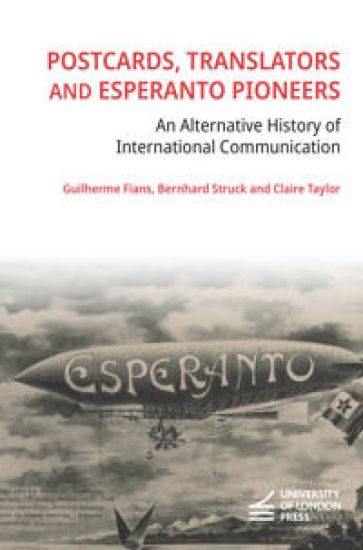
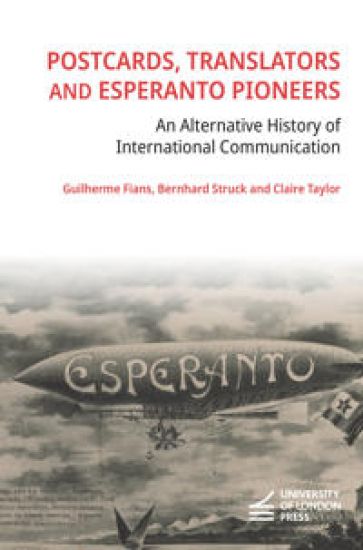
Postcards, Translators and Esperanto Pioneers: An Alternative History of International Communication

Postcards, Translators and Esperanto Pioneers: An Alternative History of International Communication

Bernhard Struck; Guilherme Fians; Claire Taylor

University of London Press
2025
sidottu

Halvin toimitettuna 71,70 €

Beyond a linguistic experiment, Esperanto was a movement--this work tells the untold story of how its pioneers built real bridges across cultures, one postcard at a time. In the early twentieth century as the world grew increasingly interconnected, a Scottish family found an unlikely tool for forging transnational connections--Esperanto. Postcards, Translators and Esperanto Pioneers unmasks the fascinating microhistory of how everyday speakers of the constructed language built international networks, exchanging ideas and friendship across borders. Through postcards and translations, the book depicts how language and media shaped a grassroots vision of global communication long before the internet era. Moving from the Russian Empire to Scotland, the book stresses the crucial role of women in Esperanto's success. It also studies the translation of the Bible into the language as an act of both faith and diplomacy. By centering the experiences of ordinary Esperanto speakers, this work provides an alternative perspective on early twentieth-century globalization; one built not by political elites or economic forces, but through words exchanged between individuals striving to connect across cultures.
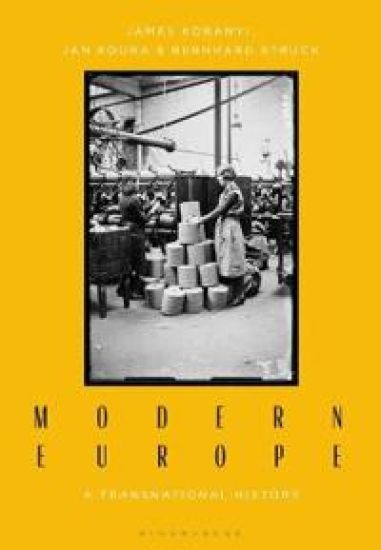
Modern Europe

Modern Europe

Bernhard Struck; James Koranyi; Jan Koura

Bloomsbury Academic
2017
pokkari
Europe is a small continent, and yet it became the dominant global power from the late eighteenth century. While the continent appeared to become a global centre, it also experienced various fractures along constantly shifting state borders. These developments over the past 250 have made European history especially dynamic and exciting. Modern Europe: A Transnational History explores the complexity of this continent by telling a history of transnational Europe, showing how it has been constantly reinvented and reconfigured by global and local connections and ruptures. The authors explain Europe not in terms of a collection of national histories, but focuses on the numerous cross-border flows of peoples, goods and ideas that cut across state boundaries. As this book shows, Europe, its people and societies can only be understood by painting a picture of connections and contestations created within empire, the national, and the local.
Modern Europe

Modern Europe

Bernhard Struck; James Koranyi; Jan Koura

Bloomsbury Academic
2017
sidottu
Europe is a small continent, and yet it became the dominant global power from the late eighteenth century. While the continent appeared to become a global centre, it also experienced various fractures along constantly shifting state borders. These developments over the past 250 have made European history especially dynamic and exciting. Modern Europe: A Transnational History explores the complexity of this continent by telling a history of transnational Europe, showing how it has been constantly reinvented and reconfigured by global and local connections and ruptures. The authors explain Europe not in terms of a collection of national histories, but focuses on the numerous cross-border flows of peoples, goods and ideas that cut across state boundaries. As this book shows, Europe, its people and societies can only be understood by painting a picture of connections and contestations created within empire, the national, and the local.