

Kirjailija
Bernhard Weiss
Kirjat ja teokset yhdessä paikassa: 60 kirjaa, julkaisuja vuosilta 2002–2025, suosituimpiin kuuluu Weiss, B: Lehrbuch Der Einleitung In Das Neue Testament (188. Vertaile teosten hintoja ja tarkista saatavuus suomalaisista kirjakaupoista.
Nimi esiintyy myös muodoissa: Bernhard Weiß
60 kirjaa
Kirjojen julkaisuvuodet: 2002–2025.






Why are philosophers, as opposed to, say, linguists and psychologists, puzzled by language? How should we attempt to shed philosophical light on the phenomenon of language? "How to Understand Language" frames its discussion by these two questions. The book begins by thinking about the reasons that language is hard to understand from a philosophical point of view and, armed with the fruits of that discussion, begins searching for an approach to these questions. After finding fault with approaches based on philosophical analysis and on translation it undertakes an extended investigation of the programme of constructing a theory of meaning. Donald Davidson's advocacy of that approach becomes pivotal; though, the book endorses his broad approach, it argues strongly against the roles both of truth theory and of radical interpretation.

Why are philosophers, as opposed to, say, linguists and psychologists, puzzled by language? How should we attempt to shed philosophical light on the phenomenon of language? "How to Understand Language" frames its discussion by these two questions. The book begins by thinking about the reasons that language is hard to understand from a philosophical point of view and, armed with the fruits of that discussion, begins searching for an approach to these questions. After finding fault with approaches based on philosophical analysis and on translation it undertakes an extended investigation of the programme of constructing a theory of meaning. Donald Davidson's advocacy of that approach becomes pivotal; though, the book endorses his broad approach, it argues strongly against the roles both of truth theory and of radical interpretation.

A Manual Of Introduction To The New Testament V2 (1889)
Bernhard Weiss
Kessinger Publishing
2008
pokkari


A Commentary on the New Testament
Bernhard Weiss; George H. (TRN) Schodde; Epiphanius (TRN) Wilson
Kessinger Pub
2007
pokkari



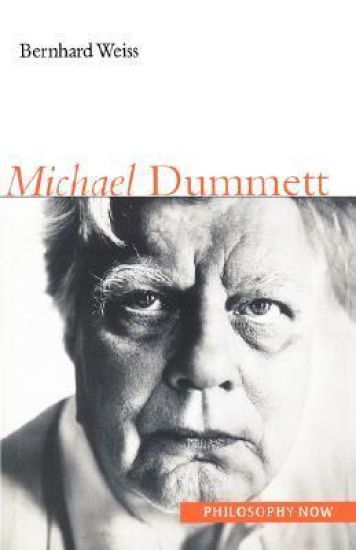
No one seriously interested in the philosophy of language can afford to ignore the work of Michael Dummett (b. 1925). Dummett's approach to the metaphysical issue of realism through the philosophy of language, his challenge to realism, and his philosophy of language itself are central topics in contemporary analytic philosophy and have influenced the work of other major figures such as Quine, Putnam, and Davidson. This book offers, in an accessible and no-nonsense manner, a systematic presentation of the main elements of Dummett's pivotal contribution to contemporary philosophy. Its overarching theme is his discussion of realism: Bernhard Weiss explores the philosopher's characterization of realism, his attack on realism, and his invention and exploration of the anti-realist position. The book begins by examining Dummett's views on language. Only against that setting can one fully appreciate his conception of the realism issue. With this in place, Weiss returns to Dummett's views on the nature of meaning and understanding to unfold his challenge to realism. Weiss devotes the remainder of the book to examining the anti-realist position. He discusses anti-realist theories of meaning and then investigates anti-realism's revisionary consequences. Finally, he engages with Dummett's discussion of two difficult challenges for the anti-realist: the past and mathematics. Dummett is one of the most influential philosophers of modern times. This book is a sympathetic and accessible study, aiming not only to expose but to engage both with Dummett's philosophical thought and with his philosophical character.

Michael Dummett's approach to the metaphysical issue of realism through the philosophy of language, his challenge to realism, and his philosophy of language itself are central topics in contemporary analytic philosophy and have influenced the work of other major figures such as Quine, Putnam, and Davidson. This book offers an accessible and systematic presentation of the main elements of Dummett's philosophy. This book's overarching theme is Dummett's discussion of realism: his characterization of realism, his attack on realism, and his invention and exploration of the anti-realist position. This book begins by examining Dummett's views on language. Only against that setting can one fully appreciate his conception of the realism issue. With this in place, Weiss returns to Dummett's views on the nature of meaning and understanding to unfold his challenge to realism. Weiss devotes the remainder of this book to examining the anti-realist position. He discusses anti-realist theories of meaning and then investigates anti-realism's revisionary consequences. Finally, he engages with Dummett's discussion of two difficult challenges for the anti-realist: the past and mathematics.
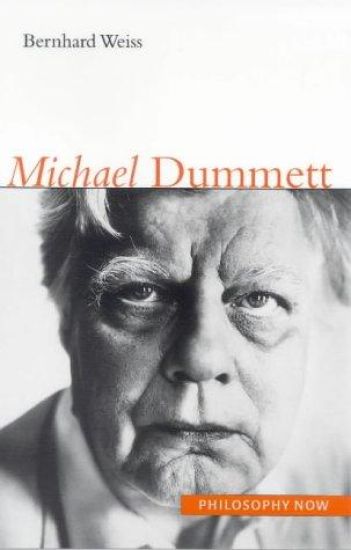
The text aims to provide a systematic exposition of Dummett's contribution to contemporary philosophy, focusing on his discussion of realism. The author also deals with the nature of meaning and understanding and discusses two challenges for the anti-realist: the past and mathematics.