Kirjojen hintavertailu – 12 903 724 kirjaa ja 27 kauppaa
Kirjailija
Beverly J. Irby
Kirjat ja teokset yhdessä paikassa: 10 kirjaa, julkaisuja vuosilta 2008–2025, suosituimpiin kuuluu Effective Steps Toward School Enhancement. Vertaile teosten hintoja ja tarkista saatavuus suomalaisista kirjakaupoista.
Effective Steps Toward School Enhancement: Turning Around High Needs Schools is an essential guide for enhancing, improving, and turning around schools. This is a must-have book for campus leaders and district administrators, as well as policymakers and university professors who teach in educational leadership and who wish to partner with schools to impact underperforming schools effectively and positively. The information presented is based on research from randomized control trials and quasi-experimental studies. The focus is on 13 proven and practical strategies and real-world examples for creating positive change in schools. This book is a roadmap for leaders to turn struggling schools into cohesive, thriving, inclusive school communities. This book celebrates the successes of leaders in schools who have navigated this journey of transformation while working closely within a school-university partnership to develop a groundswell of enduring change for their students, teachers, staff, and community.

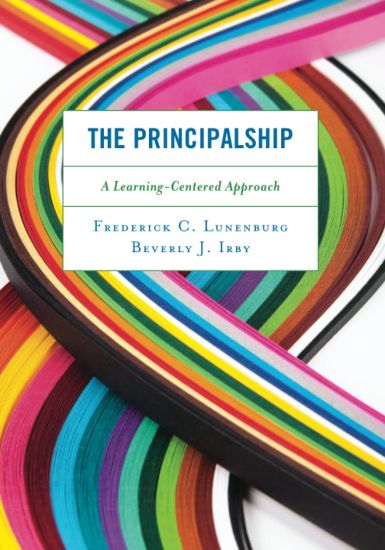
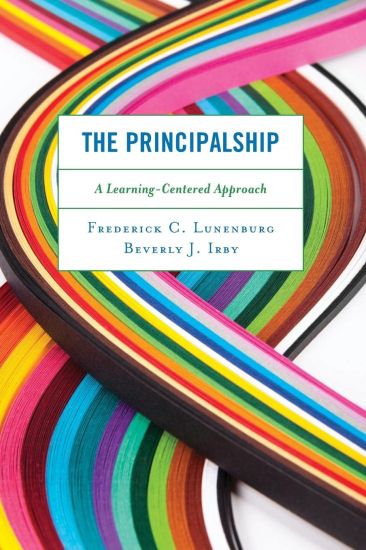
Student learning is the main reason for the school’s existence. The focus on results, the focus onstudent learning, and the focus on students learning at high levels can happen only if teaching and learning become the central focus of the school and the central focus of the principal. The emphasis on student learning (the outcome rather than the process of schooling) coupled with federal legislation to that end, has placed more demands on the role of the principal than ever before in our nation’s history. To address the heightened demands on the principal for greater accountability for student learning, The Principalship uses a learning-centered approach, one that emphasizes the role of the principal as the steward of the school’s vision: learning for all. The critical aspects of the teaching-learning process are addressed in our text including teaching; learning; student motivation; individual differences; classroom management; assessing student learning; and developing, maintaining, and changing school culture. In addition, we include in our book several topics not found in many other principalship texts. These topics include school safety, special education, gifted education, bilingual education, nontraditional organizational structures, gender-inclusive theories, women and minorities in the principalship, ethics, the political and policy context, human resource management, ethics, legal issues, and collective bargaining. Our book is documented extensively throughout and grounded in the latest research and theory with suggestions for applying theory to practice. We believe that our text reflects cutting edge research and topical issues facing principals in schools today.
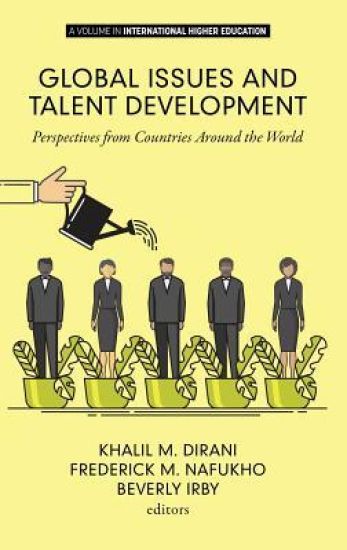
Talent management (TM) and talent development (TD) are of the most important areas of focus for organizational leaders and scholars around the world (Machado, 2015). Geographic boundaries have become increasingly permeable, with talent considerations being a key factor in the decision of where organizations locate their operations (Farndale, Scullion, & Sparrow, 2010). These changes in global market conditions have lead organizations to develop robust global talent management and development strategies that help organizations attract and retain the best talent (Nilsson & Ellström, 2012). Still, most international TM and TD initiatives can be described as ad hoc, non-strategic, or based on exported models from the West (Machado, 2015)From an operational perspective, although there is a surge in research on TM and TD practices across different regions, most of what we know about these topics is based on government and practitioners’ reports. Nowadays, organizations are operating in diverse environments catalyzed by globalization, economic openness, and governmental smart visions and practical policies. Governments and organizations alike, are aspiring to become talent magnet destination, attracting expatriates from all over the world. The question we try to answer in this book is whether entities are able to continue their growth through current TM and TD practices or whether a more strategic approach is needed in order to address the current TM and TD challenges and to meet the needs of individuals, organizations, and governments. In particular, in this book we provide different perspectives of current status of TM and TD practices in select countries across the world. Our aim is to provide scholars and practitioners interested in the topic with a better understanding of TM and TD practices, and an overview of factors that affect these practices. Once we understand the different challenges, practitioners and leaders can use TM and TD as a source of power, or a strategy, that can lead people and organizations into success.
Our increasingly globalized world is driven by shared knowledge, and nowhere is that knowledge more important than in education. Now more than ever, there is a demand for technology that will assist in the spread of knowledge through customized, self-paced, and on-demand learning. The Handbook of Research on Innovative Technology Integration in Higher Education provides an international perspective on the need for information and communication technology in education and training. Highlighting the use of technology in both formal and informal learning, this book is an essential reference for academics, corporate leaders, government agencies, profit and non-profit organizations, policymakers, or anyone interested in the use of technology to educate and share information.
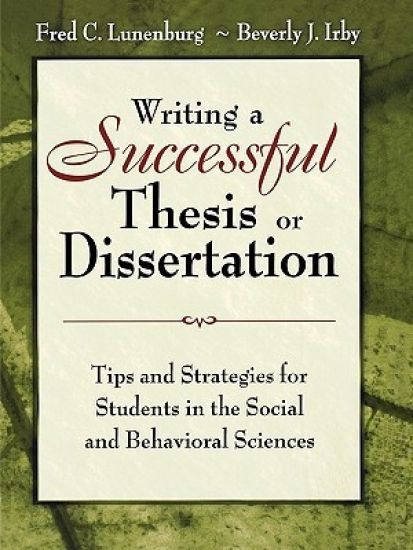
"Accurate, clearly written, and easy to understand even for the beginning researcher, with equal coverage of both qualitative and quantitative research. This is the only book to combine a textbook approach with a how-to approach."—Carol Roberts, Professor, University of La VerneAuthor, The Dissertation Journey"This is a very practical book and will be immediately usable for graduate students at any stage in their research. The multitude of examples is wonderful, and the content is very current."—Mary Betsy Brenner, Professor of EducationUniversity of California, Santa BarbaraThe advice and resources you need to complete your thesis or dissertation! No matter what state or stage your project is in, this how-to manual provides comprehensive guidance to help you tackle your master's thesis or doctoral dissertation. Covering both quantitative and qualitative research methods, this essential resource offers direction for every step of the process. Drawing on 40 years of experience supervising dissertations, the authors provide examples from 100 completed projects to guide readers through:Choosing a topic and writing research hypothesesSelecting a chair or committeeEnsuring a successful proposal and oral defense Adapting the finished product for publication Using the Internet and desktop publishing effectively With a conversational style suitable for both faculty and students, Writing a Successful Thesis or Dissertation demystifies the writing experience and presents step-by-step directions for successfully completing your project.