
Kirjojen hintavertailu – 12 859 818 kirjaa ja 27 kauppaa

Kirjailija

Bianca Brijnath

Kirjat ja teokset yhdessä paikassa: 2 kirjaa, julkaisuja vuosilta 2014–2021, suosituimpiin kuuluu The Changing Migrant Composition of Australia’s Population. Vertaile teosten hintoja ja tarkista saatavuus suomalaisista kirjakaupoista.

2 kirjaa

Kirjojen julkaisuvuodet: 2014–2021.

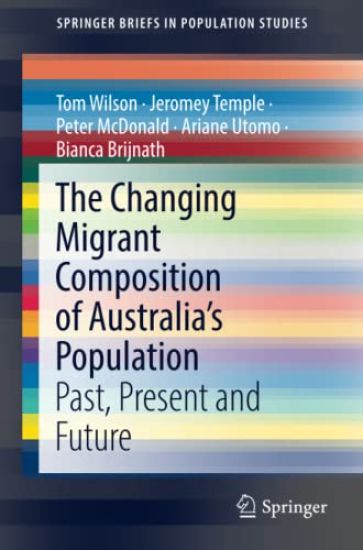
The Changing Migrant Composition of Australia’s Population

The Changing Migrant Composition of Australia’s Population

Tom Wilson; Jeromey Temple; Peter McDonald; Ariane Utomo; Bianca Brijnath

Springer Nature Switzerland AG
2021
nidottu
This book looks at how Australia's migrant population composition is likely to change over coming decades. The book divides Australia's population into 48 countries of birth groupings and projects the birthplace populations out to 2066 according to the range of scenarios. These projections indicate a massive shift in Australia’s migrant composition from a European to an Asian-dominated population over the coming decades—a change which can be interpreted as a third demographic transition. By providing detailed consideration of the implications of the changing population composition, this book is a great resource for academics, government and private sector services.
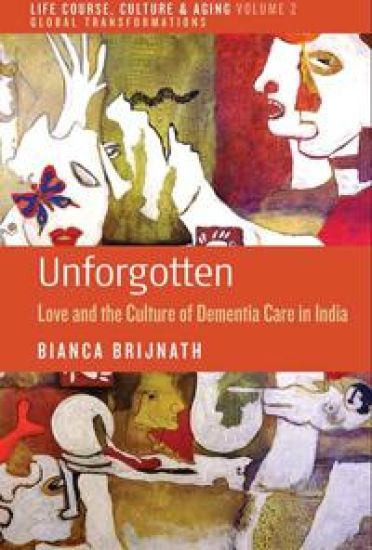
Unforgotten

Unforgotten

Bianca Brijnath

Berghahn Books
2014
sidottu
As life expectancy increases in India, the number of people living with dementia will also rise. Yet little is known about how people in India cope with dementia, how relationships and identities change through illness and loss. In addressing this question, this book offers a rich ethnographic account of how middle-class families in urban India care for their relatives with dementia. From the husband who wakes up at 3 am to feed his wife ice-cream to the daughters who gave up employment for seven years to care for their mother with dementia, this book illuminates the local idioms on dementia and aging, the personal experience of care-giving, the functioning of stigma in daily life, and the social and cultural barriers in accessing support.