
Kirjailija
Bikarma Singh
Kirjat ja teokset yhdessä paikassa: 8 kirjaa, julkaisuja vuosilta 2019–2026, suosituimpiin kuuluu Catharanthus in Drug Discovery. Vertaile teosten hintoja ja tarkista saatavuus suomalaisista kirjakaupoista.
8 kirjaa
Kirjojen julkaisuvuodet: 2019–2026.
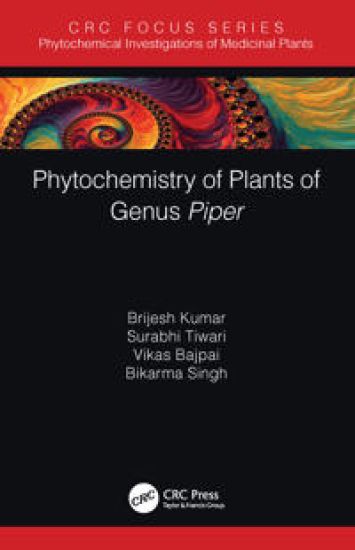
Phytochemistry of Plants of Genus Piper
Brijesh Kumar; Surabhi Tiwari; Vikas Bajpai; Bikarma Singh
CRC Press
2022
nidottu
Piper is the representative genus of family Piperaceae. Piper species are pan-tropical in distribution and found in both the hemispheres. As the king of all spices, black pepper, Piper nigrum, led to the global expeditions culminating in the discovery of India and the new world. Piper species have been reported to possess various pharmacological activities such as insecticidal, antibacterial, anti-inflammatory, antiplatelet, anti-hypertensive, antithyroid, antitumor activities and hepatoprotective properties. Botanical authentication of the plants of Piper species is difficult because of the morphological similarity among the species. This book describes ultra-performance liquid chromatography coupled with triple quadrupole electrospray tandem mass spectrometry in multiple reactions monitoring (MRM) mode to study the quantitative variation of thirteen bioactive markers in different plant parts of ten Piper species. Features: Collection of Ayurvedic features and scientific evidence of the most important medicinal plants of Piper species. Describes chemical signatures for identification of Piper species. Provides easy-to-use analytical procedure for quality control of Piper species and its products.
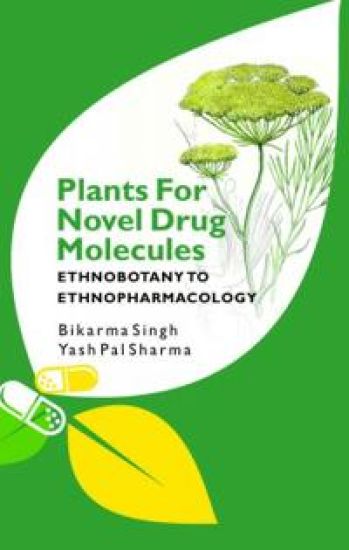
Plants for Novel Drug Molecules
Bikarma Singh; Yash Pal Sharma
New India Publishing Agency- Nipa
2020
sidottu
The current book consists of exceptional scientific contributions from seventy researchers affiliated with top research organizations. It begins by exploring plants utilized in the Sowa-Rigpa system of food and medicine, followed by the traditional medicinal uses of plants among the Khasi tribe residing in northeast India. This collection includes various research techniques that highlight methods for analyzing documented data, as well as procedures for scientifically validating findings. The book also discusses methods for assessing traditional knowledge of endangered plants, such as Hodgsoniaheteroclita, and the pharmacological applications of the family Asteraceae, among other ethnobotanical and ethnopharmacological parameters used in current scientific research. Furthermore, the book covers several clinical topics, including plants used in relation to cancer, diabetes, skin disorders, and other aspects of human and animal health care. The book also highlights the use of plants as nutraceuticals and includes research on lianas, lichens, and the role of allylisothiocyanate as a bioprotective agent. The books focus on ethnobotanical trends and techniques, phytochemistry, biological activities, ethnopharmacology, and clinical studies adds significant value to the discovery of medicine formulations.
Phytochemistry of Plants of Genus Piper
Brijesh Kumar; Surabhi Tiwari; Vikas Bajpai; Bikarma Singh
CRC Press
2020
sidottu
Piper is the representative genus of family Piperaceae. Piper species are pan-tropical in distribution and found in both the hemispheres. As the king of all spices, black pepper, Piper nigrum, led to the global expeditions culminating in the discovery of India and the new world. Piper species have been reported to possess various pharmacological activities such as insecticidal, antibacterial, anti-inflammatory, antiplatelet, anti-hypertensive, antithyroid, antitumor activities and hepatoprotective properties. Botanical authentication of the plants of Piper species is difficult because of the morphological similarity among the species. This book describes ultra-performance liquid chromatography coupled with triple quadrupole electrospray tandem mass spectrometry in multiple reactions monitoring (MRM) mode to study the quantitative variation of thirteen bioactive markers in different plant parts of ten Piper species. Features: Collection of Ayurvedic features and scientific evidence of the most important medicinal plants of Piper species. Describes chemical signatures for identification of Piper species. Provides easy-to-use analytical procedure for quality control of Piper species and its products.
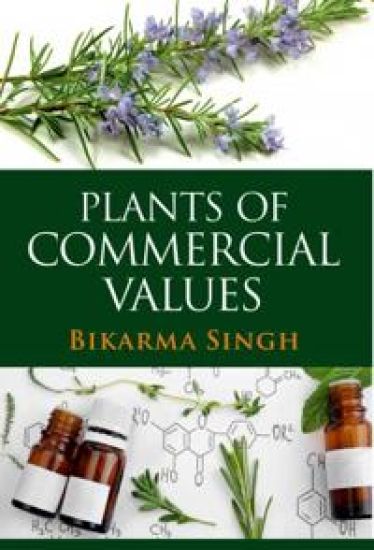
Plants are the primary source of food and medicine, and they are directly involved in the development of new drugs, agrochemicals, fragrances, flavors, cosmetics, fine chemicals, and nutraceuticals. Research on plants and their value-added products is an area of great interest to humans. This book provides an overview of the current scenario and importance of commercially valuable plant species, and it is based on 21 research articles. The book covers a wide range of plant species, including domestic and industrial plants such as Bunium persicum, Dysoxylum binectariferum, Magnolia campbellii, Morchella esculenta, Tinospora cordifolia, Woodfordia fructicosa, Plantago ovata, Artemisia annua, Spinifex littoreus, tissue culture raised banana, plant growth promoting bacteria, systematic of starch grains, scientific propagation techniques for improvement of plants, sustainability of Mucuna pruriens, and phytochemical screening of Eulaliopsis binata, Himalayan rhododendrons, Cyperus pangorei, and Vigna radiata. The book also discusses the uses and diversity of aromatic plants and their value in aromatherapy, flavor, and fragrance. The book includes sections on biological, chemical, pharmacological, and clinical parameters that provide valuable information for discovering new leads for product development from plants. As the reader will note, these books represent a wide range of views and ideas, reflecting the diversity of sciences and interests of thousands of researchers who contributed to this compilation.
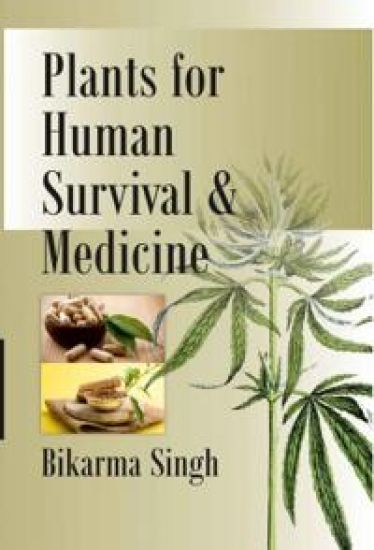
This book delves into the potential of plants for human survival, examining the medicinal aspects of ongoing research and development aimed at discovering new molecules, drugs, and leads. It also explores ethnic-traditional applications and nutraceutical values of plants. The book provides a foundation of baseline data and information on plants and their hidden knowledge for human health. This knowledge is based on twenty-five outstanding research articles, with a focus on plant species such as Boswellia serrata, Butea monosperma, Colebrookea oppositifolia, Cymbopogon khasianus, Dendrophthe falcata, Dysoxylum binectariferum, Echinacea purpurea, Grewia asiatica, Picrorrhiza kurroa, Saussurea costus, Withania somnifera, and Zanthoxylum armatum, as well as different species of Aconitum and Panax, Ashtavarga groups (Habenaria intermedia, Habenaria edgeworthii, Malaxis acuminata, Malaxis muscifera, Lilium polyphyllum, Polygonatum verticillatum, Polygonatum cirrhifolium, and Roscoea procera), and hundreds of potential life-saving plants used by various ethnic tribes of the Himalayas as food, shelter, and medicine in their daily lives. The books various research studies and clinical trials will significantly contribute to discovering quick leads for medicine formulations and product development. Additionally, the book provides research suggestions and valuation of plants for humans, as well as an introduction section that highlights specific research avenues for attention in drug development programs. The book represents a wide range of views, reflecting the diversity of sciences and interests of thousands of ideas that enabled thoughtful deliberations from a wide range of scientific perspectives.
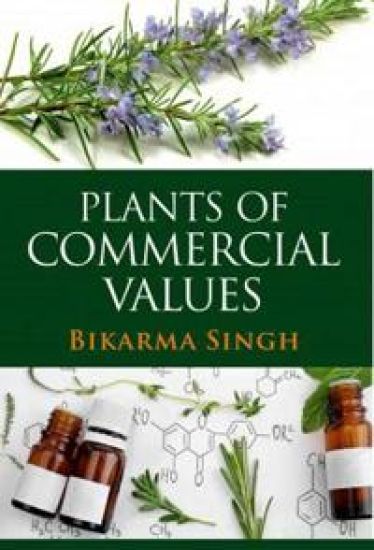
Plants play a crucial role in providing food, medicine, agrochemicals, fragrances, flavors, cosmetics, fine chemicals, and nutraceuticals, which are essential for human development. Research on plants and their potential for producing new value-added products has generated considerable interest among scholars and researchers. This book, which features 21 excellent research articles, highlights the current scenario and importance of commercially valuable plant species, including those with domestic and industrial value. The book covers a range of topics, such as the highly prized plant species Bunium persicum, Dysoxylum binectariferum, Magnolia campbellii, Morchella esculenta, Tinospora cordifolia, Woodfordia fructicosa, Plantago ovata, the Nobel Prize-winning plant Artemisia annua, Spinifex littoreus, tissue culture-raised banana, plant growth-promoting bacteria, systematic studies of starch grains, scientific propagation techniques for plant improvement, sustainability of Mucuna pruriens, and phytochemical screening of Eulaliopsis binata, Himalayan rhododendrons, Cyperus pangorei, and Vigna radiata. In addition, the book discusses the chemical constituents, uses, and diversity of aromatic plants, which are valued for their aromatherapy, flavor, and fragrance. The compilation of current investigation reports on biological, chemical, pharmacological, and clinical parameters will contribute to discovering new leads for product development from plants. As the reader will note, this book represents a diverse collection of views, reflecting the various sciences and interests that have enabled thoughtful deliberations for future prospects.
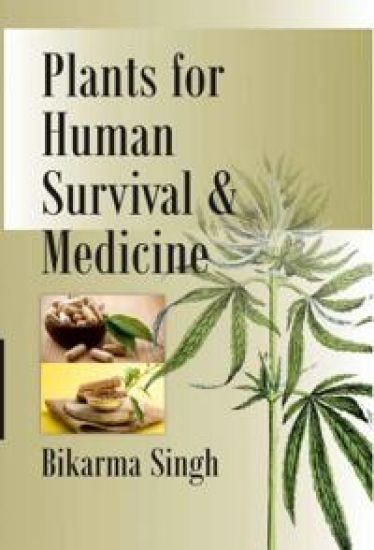
This book presents an in-depth exploration of the potential plants that can contribute to human survival. It delves into the medicinal properties of plants and the ongoing research to discover new drugs, molecules, and leads. It also covers ethnic and traditional applications, as well as the nutraceutical values of plants. The book provides a comprehensive baseline of information on plants and their potential impact on human health. It is based on twenty-five research articles and focuses primarily on plant species such as Boswellia serrata, Butea monosperma, Colebrookea oppositifolia, Cymbopogon khasianus, Dendrophthe falcata, Dysoxylum binectariferum, Echinacea purpurea, Grewia asiatica, Picrorrhiza kurroa, Saussurea costus, Withania somnifera, Zanthoxylum armatum, as well as different species of Aconitum and Panax, Ashtavarga groups (Habenaria intermedia, Habenaria edgeworthii, Malaxis acuminata, Malaxis muscifera, Lilium polyphyllum, Polygonatum verticillatum, Polygonatum cirrhifolium, and Roscoea procera), and hundreds of other plants used by ethnic tribes in the Himalayan region for food, shelter, and medicine. The books research studies and clinical trials can help in the development of medicine formulations and products. The introduction section emphasizes specific research avenues for drug development programs. The books collections of views represent a diverse range of scientific perspectives, reflecting the thousands of ideas that enabled thoughtful deliberations from various scientific fields.