Kirjojen hintavertailu – 12 903 725 kirjaa ja 27 kauppaa

Kirjailija

Bill Park

Kirjat ja teokset yhdessä paikassa: 4 kirjaa, julkaisuja vuosilta 2011–2016, suosituimpiin kuuluu Modern Turkey. Vertaile teosten hintoja ja tarkista saatavuus suomalaisista kirjakaupoista.

4 kirjaa

Kirjojen julkaisuvuodet: 2011–2016.

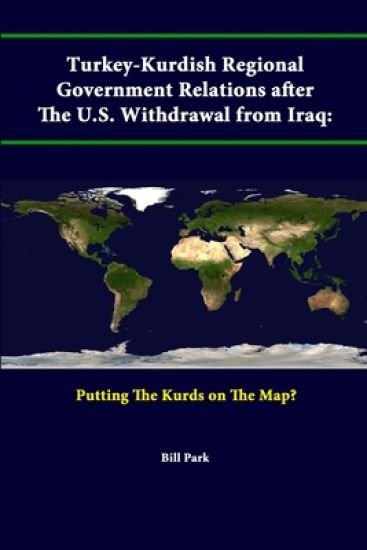
Turkey-Kurdish Regional Government Relations After the U.S. Withdrawal from Iraq: Putting the Kurds on the Map?
When U. S. forces departed Iraq at the end of 2011, they left behind unresolved problems relating to that country's governance, notably concerning the relationship between the federal authority in Baghdad and the autonomous Kurdistan Regional Government (KRG) in the north. Today, disputes over the territorial delineation of the KRG remain a source of tension, while the discovery of significant reserves of oil and gas within and straddling the borders of the KRG has raised the stakes. Tensions have been heightened still further by the determination of the KRG authorities to pursue an energy policy independent of the central government. This has involved entering into lucrative energy exploration and exploitation agreements with a number of major energy companies, among them the U. S.-based ExxonMobil and Chevron, and moving ahead with an energy partnership with neighboring Turkey involving the construction of direct pipelines across their shared border.
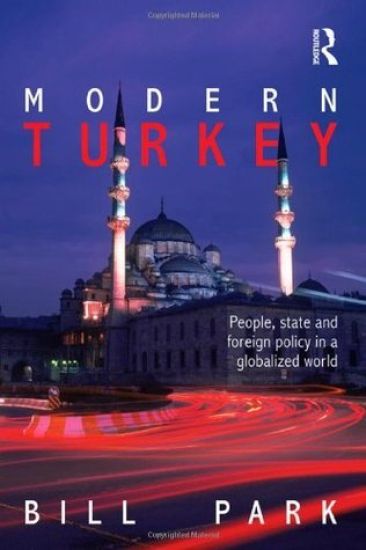
Modern Turkey

Modern Turkey

Bill Park

Routledge
2011
sidottu
This exciting new textbook provides a broad and comprehensive overview of contemporary Turkey. Placing the country and its people within the context of a rapidly globalizing world, the book covers a diverse range of themes such as politics, economics, international relations, the Turkic world, religion and recent historical background. Tracing the evolution of Turkey’s domestic political and economic systems, and its foreign policy, from the inception of the republic to the present day, the themes covered include: the impact of globalization on Turkey’s society, politics, economy and foreign policythe role of the EU and the Turkish diaspora in the evolution of Turkish policiesthe main features and prominent role of Kemalism turkish foreign policy, and the new challenges and opportunities brought by the end of the cold warthe position of Turkey as a ‘bridge’ between East and West, and the particular and unique dilemmas confronting a Muslim but economically developed, democratized state allied to the WestKurdish identitythe Fethullah Gulen movement and the Armenian ‘genocide’. Situating the country as a ‘model’ for the wider Muslim world, this sophisticated analysis of one of the largest and most important states in the Middle East will be an invaluable resource for scholars and officials interested in Turkish politics and US foreign and security policies, and for students of the Balkan, Middle Eastern, Caucasus and Central Asian regions.

Modern Turkey

Modern Turkey

Bill Park

Routledge
2011
nidottu
This exciting new textbook provides a broad and comprehensive overview of contemporary Turkey. Placing the country and its people within the context of a rapidly globalizing world, the book covers a diverse range of themes such as politics, economics, international relations, the Turkic world, religion and recent historical background. Tracing the evolution of Turkey’s domestic political and economic systems, and its foreign policy, from the inception of the republic to the present day, the themes covered include: the impact of globalization on Turkey’s society, politics, economy and foreign policythe role of the EU and the Turkish diaspora in the evolution of Turkish policiesthe main features and prominent role of Kemalism turkish foreign policy, and the new challenges and opportunities brought by the end of the cold warthe position of Turkey as a ‘bridge’ between East and West, and the particular and unique dilemmas confronting a Muslim but economically developed, democratized state allied to the WestKurdish identitythe Fethullah Gulen movement and the Armenian ‘genocide’. Situating the country as a ‘model’ for the wider Muslim world, this sophisticated analysis of one of the largest and most important states in the Middle East will be an invaluable resource for scholars and officials interested in Turkish politics and US foreign and security policies, and for students of the Balkan, Middle Eastern, Caucasus and Central Asian regions.