Kirjojen hintavertailu – 12 903 725 kirjaa ja 27 kauppaa

Kirjailija

Bob Broad

Kirjat ja teokset yhdessä paikassa: 4 kirjaa, julkaisuja vuosilta 2003–2017, suosituimpiin kuuluu Organic Writing Assessment. Vertaile teosten hintoja ja tarkista saatavuus suomalaisista kirjakaupoista.

4 kirjaa

Kirjojen julkaisuvuodet: 2003–2017.

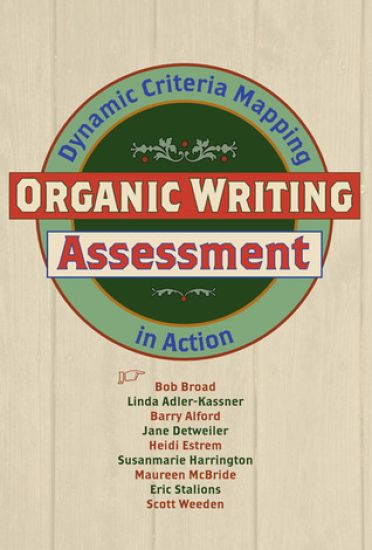
Organic Writing Assessment

Organic Writing Assessment

Bob Broad; Linda Adler-Kassner; Barry Alford; Jane Detweiler; Heidi Estrem; Susanmarie Harrington; Maureen McBride; Eric Stalions; Scott Weeden

Utah State University Press
2009
pokkari
Educators strive to create "assessment cultures" in which they integrate evaluation into teaching and learning and match assessment methods with best instructional practice. But how do teachers and administrators discover and negotiate the values that underlie their evaluations? Bob Broad's 2003 volume, What We Really Value, introduced dynamic criteria mapping (DCM) as a method for eliciting locally-informed, context-sensitive criteria for writing assessments. The impact of DCM on assessment practice is beginning to emerge as more and more writing departments and programs adopt, adapt, or experiment with DCM approaches. For the authors of Organic Writing Assessment, the DCM experience provided not only an authentic assessment of their own programs, but a nuanced language through which they can converse in the always vexing, potentially divisive realm of assessment theory and practice. Of equal interest are the adaptations these writers invented for Broad's original process, to make DCM even more responsive to local needs and exigencies. Organic Writing Assessment represents an important step in the evolution of writing assessment in higher education. This volume documents the second generation of an assessment model that is regarded as scrupulously consistent with current theory; it shows DCM's flexibility, and presents an informed discussion of its limits and its potentials.
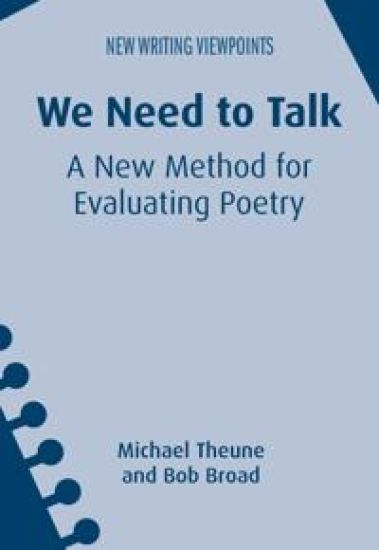
We Need to Talk

We Need to Talk

Michael Theune; Bob Broad

Multilingual Matters
2017
sidottu
We evaluate poems constantly: as workshop leaders, competition judges and journal editors. But how do we judge the success of verse in these contexts? The authors propose an innovative method by which anyone involved in the assessment of poetry can be more transparent about how they value verse. This book foregrounds the ethical and professional obligations of poets, teachers and critics to conduct axiological inquiry so they can discover and publish what they value. We Need to Talk suggests why and how people who care about poetry should communally explore and document their shared (and conflicting) values. This is the first book to provide the background and theory, as well as a practical, working model, for the communal, empirical evaluation of creative writing.
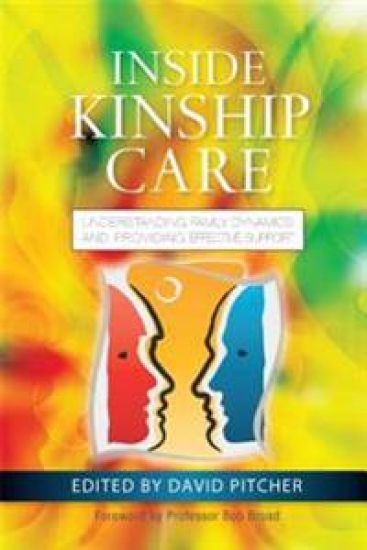
Inside Kinship Care

Inside Kinship Care

Bob Broad

Jessica Kingsley Publishers
2013
pokkari
Kinship care – the care of children by grandparents, other relatives or friends – is a major part of foster care, yet there are distinct issues that arise in care involving family rather than 'stranger' foster carers. This book takes an in-depth look at what goes on 'inside' kinship care. It explores the dynamics and relationships between family members that are involved in kinship care, including mothers, grandparents, siblings and the wider family. Chapters also discuss issues such as safeguarding, assessment, therapy, encouraging permanence, placement breakdown, support groups, and cultural issues. The final part of the book looks at kinship care from an international perspective, with examples from New Zealand, Australia, South Africa and the United States. Drawing on a range of theoretical perspectives and with contributions from different branches of kinship care, this book provides an invaluable overview of the issues involved and how to provide effective support. It will be essential reading for all those working in the kinship care field, including social workers, therapists, counsellors, psychologists and family lawyers.
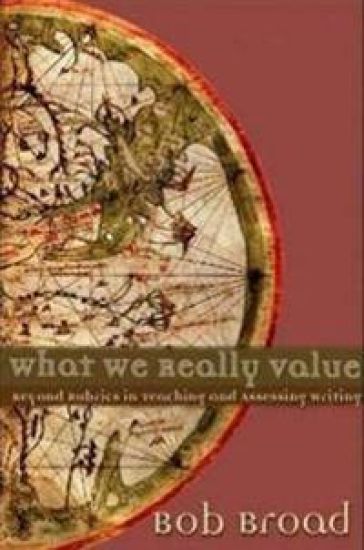
What We Really Value

What We Really Value

Bob Broad

Utah State University Press
2003
pokkari
What We Really Value traces the origins of traditional rubrics within the theoretical and historical circumstances out of which they emerged, then holds rubrics up for critical scrutiny in the context of contemporary developments in the field. As an alternative to the generic character and decontextualized function of scoring guides, he offers dynamic criteria mapping, a form of qualitative inquiry by which writing programs (as well as individual instructors) can portray their rhetorical values with more ethical integrity and more pedagogical utility than rubrics allow. To illustrate the complex and indispensable insights this method can provide, Broad details findings from his study of eighty-nine distinct and substantial criteria for evaluation at work in the introductory composition program at "City University." These chapters are filled with the voices of composition instructors debating and reflecting on the nature, interplay, and relative importance of the many criteria by which they judged students' texts. Broad concludes his book with specific strategies that can help writing instructors and programs to discover, negotiate, map, and express a more robust truth about what they value in their students' rhetorical performances.