Kirjojen hintavertailu – 12 903 733 kirjaa ja 27 kauppaa

Kirjailija

Bob Gress

Kirjat ja teokset yhdessä paikassa: 6 kirjaa, julkaisuja vuosilta 1993–2025, suosituimpiin kuuluu Faces of the Great Plains. Vertaile teosten hintoja ja tarkista saatavuus suomalaisista kirjakaupoista.

6 kirjaa

Kirjojen julkaisuvuodet: 1993–2025.

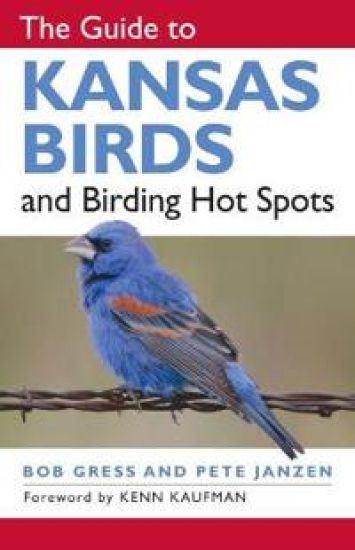
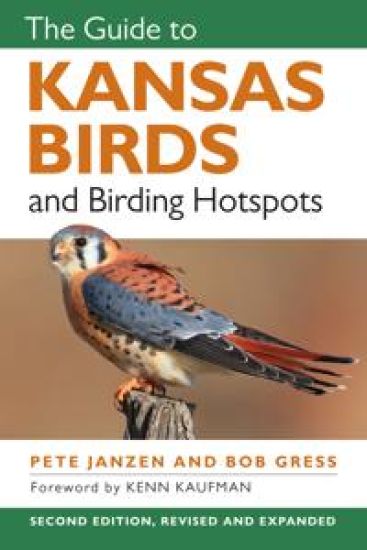
The Guide to Kansas Birds and Birding Hotspots

The Guide to Kansas Birds and Birding Hotspots

Pete Janzen; Bob Gress; Kenn Kaufman

UNIVERSITY PRESS OF KANSAS
2025
nidottu
This definitive guide is an essential resource for Kansas birders of all kinds! Kansas is a bird-watcher’s paradise, boasting exceptional habitat diversity and a key location at the hub of the hemisphere’s migration corridors. An astounding 486 avian species have been documented in the state. In this greatly expanded edition of their award-winning guide, renowned experts Pete Janzen and Bob Gress have gathered a wealth of information on 321 species and 100 birding hotspots in Kansas. Janzen and Gress offer beautiful photographs, useful identification information, and field notes on habitat, seasonal occurrence, and more. The guides to birding hotspots throughout the state highlight the unique species and seasonal features of the most diverse and exciting places Kansas has to offer and will help you plan your next adventure. Additionally, Janzen and Gress have included essays on topics like birding basics and the geography and ecosystems of Kansas, along with a calendar of bird activity in Kansas and a complete species checklist of Kansas birds. This new edition is a must-have guide for every backyard enthusiast and day-tripping birder.
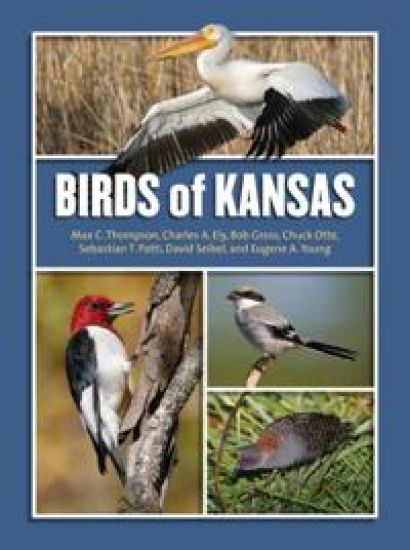
Birds of Kansas

Birds of Kansas

Max C. Thompson; Charles A. Ely; Bob Gress; Chuck Otte; Sebastian T. Patti; David Seibel

University Press of Kansas
2011
sidottu
Ever since the Lewis and Clark Expedition spotted its first wild turkey in Kansas, the state has celebrated a rich ornithological history—especially in light of its habitat diversity and its location within the Central Migratory Flyway. That birding bounty is now given its due by a respected team of authors, all recognized avian authorities, in a beautifully produced large-format volume highlighted with professional-quality color photographs and maps. The first such survey in twenty years, this remarkable book depicts every one of the state’s now-documented 473 species. Designed for all knowledgeable birders and professional ornithologists, it provides scientifically accurate information on distribution, breeding, and behavior for each species. It not only significantly updates the previous two-volume field guide Birds in Kansas but also reflects a more than 10% increase in known species—47 more than previously listed, including the Long-billed Murrelet, Ross’s Gull, and Broad-billed Hummingbird. The contents are arranged by family—from abundant groups like Plovers and Sandpipers to the lone Frigate Bird (Fregata magnificens) recorded in the state. For each species, a map shows the counties in which it has been reported, and many species include maps for both breeding and banding. Use of color in the distribution maps allows depiction of seasonal bird distribution. The text also includes a brief life history for most regularly breeding species, as well as information on migratory routes explaining where the birds travel when they leave Kansas. Birds of Kansas will be a vital addition to the library of anyone who seeks a better understanding of the diverse and ever-fascinating Kansas avifauna.
The Guide to Kansas Birds and Birding Hot Spots

The Guide to Kansas Birds and Birding Hot Spots

Bob Gress; Pete Janzen; Kenn Kaufman

University Press of Kansas
2008
nidottu
Kansas is a bird-watcher's paradise, with its key location at the hub of the hemisphere's migration corridors and exceptional habitat diversity; 470 avian species have been documented within its borders. From spectacularly beautiful birds like Painted Buntings to elegant migrants like Hudsonian Godwits, birders can find abundant rewards every time they take to the field.""The Guide to Kansas Birds and Birding Hot Spots"" focuses on 295 species that are most likely to be encountered in the state. It helps occasional day-trippers or backyard observers identify and learn about birds that regularly occur in Kansas, with stunning color photos that enable those new to the hobby to identify their discoveries, plus tips on where to search for these species with the greatest likelihood of success. Gress and Janzen have produced an exceptionally well-organized guide that divides birds into 18 groups based on similarity in appearance, habitat, or behavior, following taxonomic order only partially to make identification easier for the beginner. The entry for each bird gives its size, identifying features (including sexual and seasonal distinctions), and where and when it can be found. And each account includes a brilliant color photo of an adult of the species, with additional views of selected birds to illustrate male, female, or juvenile plumages. The authors point out the best birding locations in the state - more than two dozen hot spots of which they have intimate knowledge - that reflect utterly different bird communities thriving only a few hours apart. They also provide a checklist for all state birds, a calendar of Kansas bird activity, and recommendations for binoculars and other field guides.
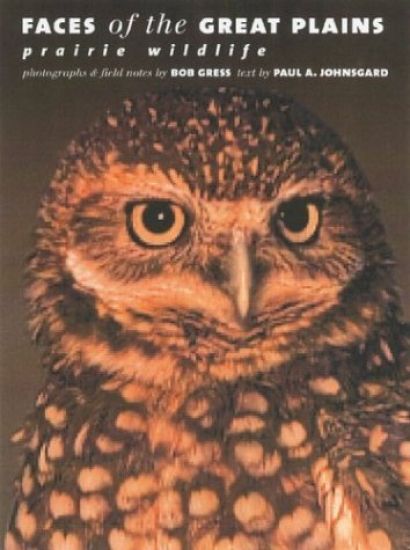
Faces of the Great Plains

Faces of the Great Plains

Paul A. Johnsgard; Bob Gress

University Press of Kansas
2003
sidottu
The Great Plains are America's biological melting pot, drawing creatures from surrounding regions to create a rich diversity of wildlife. This book illuminates the enormous variety and uniqueness of prairie wildlife - featuring 150 of the most interesting and important species.
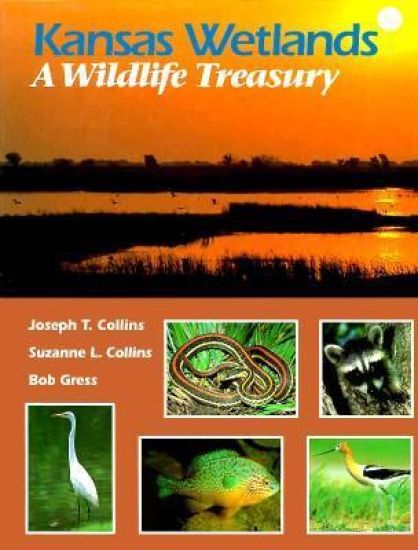
Kansas Wetlands

Kansas Wetlands

Joseph T. Collins; Suzanne L. Collins; Bob Gress; John E. Hayes; Jim Minnerath

University Press of Kansas
1994
sidottu
An illustrated collection of wetlands inhabitants and their environment. The book examines how the wetlands are not just breeding sites and stopovers for different species, but also provide important services for the state's human population.
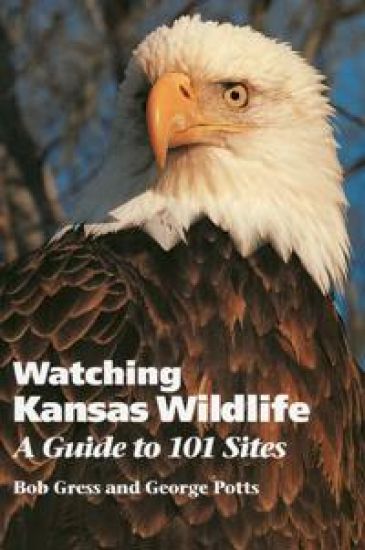
Watching Kansas Wildlife

Watching Kansas Wildlife

Bob Gress; George Potts

University Press of Kansas
1993
nidottu
In Schermerhorn Park amidst a typical Ozark landscape of oak- and hickory-covered hillsides--brilliant orange cave salamanders hide and bats hang out in the twilight zone of Schermerhorn cave, spring peepers serenade from area marshes, black redhorse and greenside darters swim through swift, clear Shoal Creek, and flying squirrels and Carolina chickadees explore their southeast Kansas woodland home. Catty-corner across the state in the arid badlands along the Arikaree River, mule deer, coyotes, and Ord's kangaroo rats roam among the yucca and prickly pear cactus, while black-tailed prairie dogs scurry about town and burrowing owls guard their abodes. From border to border, Kansas provides a variety of environments--often overlapping and changing gradually from east to west and north to south--that attract an assortment of animals. In Watching Kansas Wildlife, Bob Gress and George Potts have selected 101 prime sites for viewing the state's amazingly diverse array of wildlife. They've included spots in every part of the state and a variety of terrains and animals of every kind, including mammals, birds, reptiles, amphibians, fish and insects. For each site, the authors have recorded what animals can be seen and what type of environment they live in; information on land ownership (whether private or public, all sites are accessible to the public); availability of park facilities; and viewing tips. Having divided the state into six parts, they have provided maps of each region and color photographs of many of the sites and animals. Gress and Potts have also made a list of the dynamic dozen sites, the top twelve places they consider can't-miss opportunities because of exceptional wildlife, scenery, and viewing attributes. These include southwestern Cimarron National Grasslands, where elk, pronghorns, western rattlesnakes, Texas horned lizards, an occasional porcupine or roadrunner, and Santa Fe Trail wagon ruts can be seen on the sandsage prairie; central Cheyenne Bottoms, the largest marsh in the interior of the United States and the most important shorebird migration point in the western hemisphere; and the eastern Flint Hills, the largest remaining expanse of tallgrass prairie in the country. Whether big or small, well known or more obscure, the sites in this guide provide an opportunity to view animals in their own intricately balanced worlds and some of the state's most beautiful natural environments.