
Kirjailija
Bobbie Kalman
Kirjat ja teokset yhdessä paikassa: 366 kirjaa, julkaisuja vuosilta 1994–2026, suosituimpiin kuuluu Canada. Vertaile teosten hintoja ja tarkista saatavuus suomalaisista kirjakaupoista.
366 kirjaa
Kirjojen julkaisuvuodet: 1994–2026.




In this newly revised edition of Colonial Life, young readers will meet the hardworking people of a colonial community, learn about the importance of family members, and discover the roles that religion and education played in people's lives more than two hundred years ago. They will also learn about: how people traveled from place to place; how adults and children; how a plantation was run, and the impact of the slave trade.
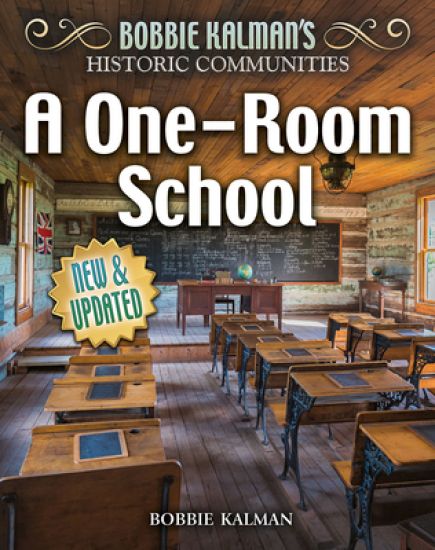
This newly revised edition describes how building a school was a priority once an early community became established. Students of all ages shared one teacher and the same four walls year after year. A One-Room School describes how the teacher, a respected member of the community, was entrusted with the responsibility of teaching reading, 'riting, and 'rithmetic. Children will enjoy seeing inside a one-room schoolhouse and discovering: what subjects students learned, how children were disciplined by the teacher, games boys and girls enjoyed during recess, games, songs, and activities they can participate in.

This newly revised edition of Visiting a Village is an ideal introduction to understanding the concept of community. Children will learn how the people in early communities worked together with a spirit of cooperation by trading their goods and services with each other. Knowing about what they might see on their first visit to an historic site will help spark a child's curiosity. In this book, they will meet such individuals as: the miller, the sawyer, the storekeeper, and the metal and woodworkers.
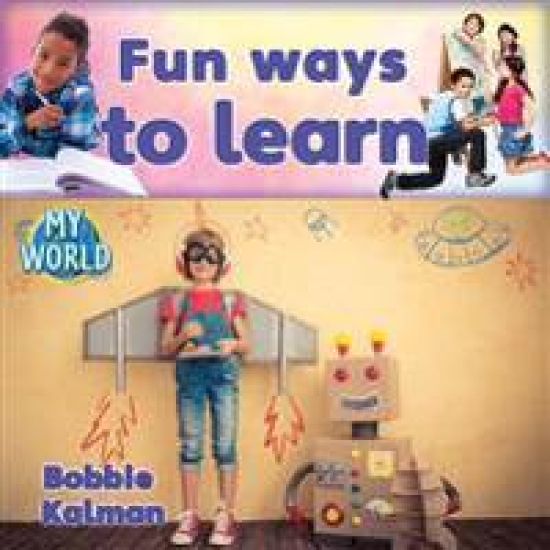
This book offers a fun path to learning with activities that help children develop skills such as concentration, deeper analytical abilities, and improved thought processing. Children will love the engaging art, music, nature, writing, and "maker" activities, which encourage critical thinking and problem solving skills, cooperation, communication, and creativity. Teacher's guide available.
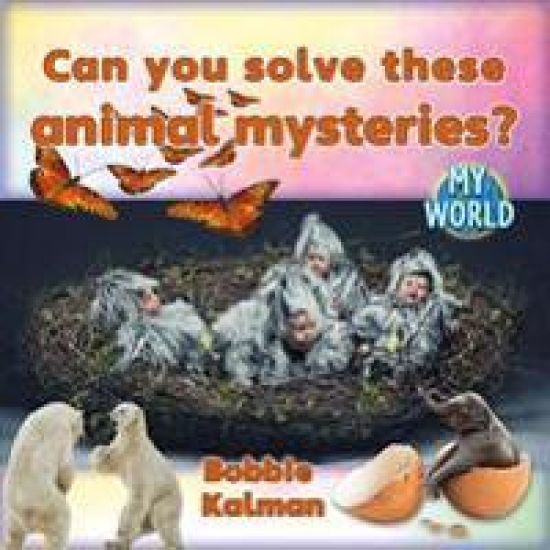
This fun book will motivate children to discuss, explain, and give creative interpretations about animal mysteries. Photographs present animals in some real and not-so-real ways. Students are challenged to remember what they have learned about the animal to determine if butterflies really do migrate; if human babies really are covered in feathers; and whether elephants do hatch from eggs. Realistic, entertaining photographs will require children to solve the problem using critical thinking. Teacher's guide available.
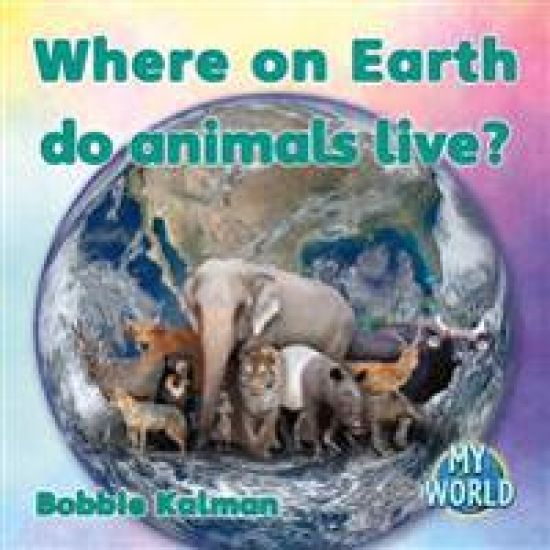
Animals live in many kinds of habitats, located in different parts of the world. This book compares and contrasts these habitats and encourages students to learn how animals have adapted to where they live. Using cause-and-effect vocabulary, the book also explains why many animals are endangered and the reasons their lives are at risk. Students are asked to map the locations of different animal habitats and to come up with their own suggestions on how people can help threatened animals. Teacher's guide available.
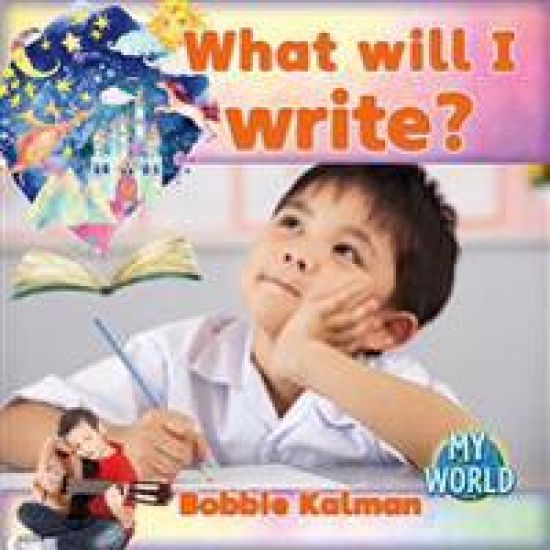
Students love to write about things that interest them This helpful book teaches young writers about fiction and non-fiction styles of writing, different text structures, dialogue, similes, and metaphors, and formulating questions. Children are encouraged to write poems, songs, stories, projects, and simple books. They will also learn about the important parts of a book such as front and back covers, title page, contents, glossary, and index. Teacher's guide available.
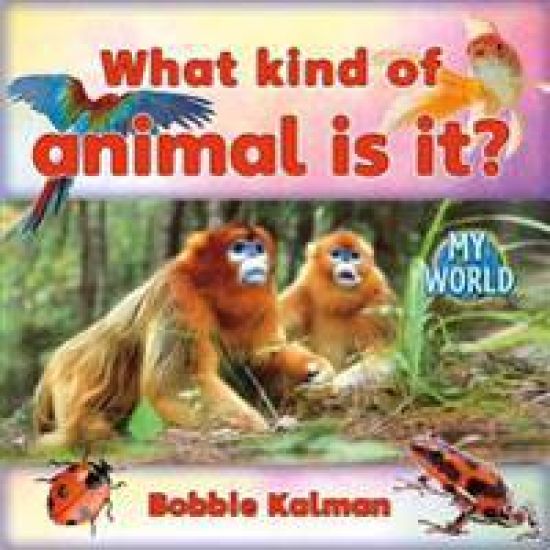
This beautiful book looks at different animal species, describing how they are similar and different, and why certain animals belong to specific groups. Using descriptive as well as compare-and-contrast text, this interesting book answers students' questions about different animals. Teacher's guide available.
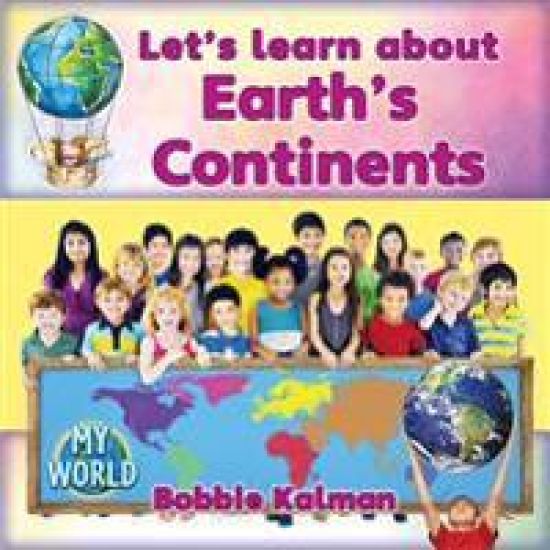
This informative book teaches students basic information about the continents. They will learn the continents' names, landforms, and locations, as well as about directions on Earth, how close the continents are to the equator and poles, and how their locations affect the weather. A lesson in basic map skills gives children an opportunity to draw and label the continents. Teacher's guide available.
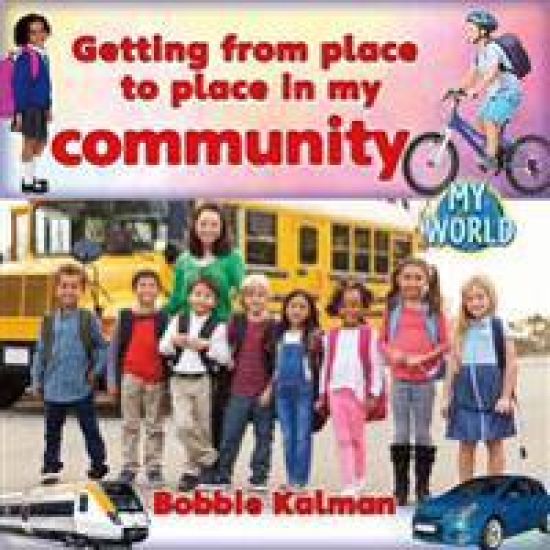
Travel and transportation can be different in cities, suburbs, and small towns. This book encourages children to look at their communities and identify the types of transportation used to move people and goods. They will then compare and contrast how people and goods are moved in different kinds of communities, based on their locations. Teacher's guide available.

This fascinating book, illustrated with colorful photographs, makes the topic of symbiosis easy and fun. It looks at the positive, negative, and neutral effects that result when different kinds of animals interact with each other. Symbiotic relationships highlighted include birds and fish that clean parasites off other animals, bacteria that help keep animals and people healthy, mosquitoes that pass diseases such as malaria, predators that hunt prey, and scavengers that help clean the earth.
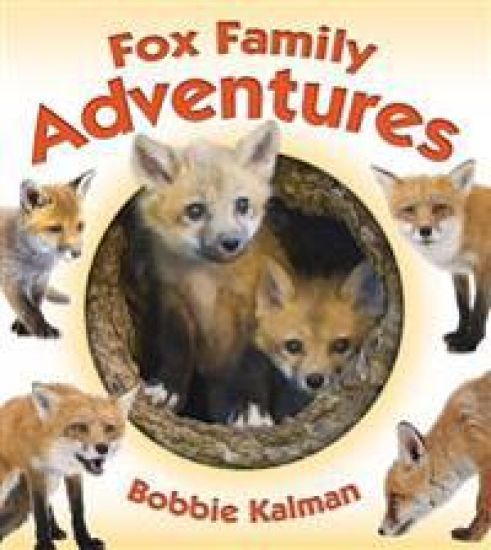
Young readers will love learning about the way of life of foxes and the challenges they face as babies and adults. This exciting story, supported by fun facts, questions, and activities, begins with the birth of several red fox kits. Born in a den, the baby foxes leave the den with their mothers after two to three weeks and start to play, pounce, and hunt. What adventures will they have? Will they meet some other animals along the way?
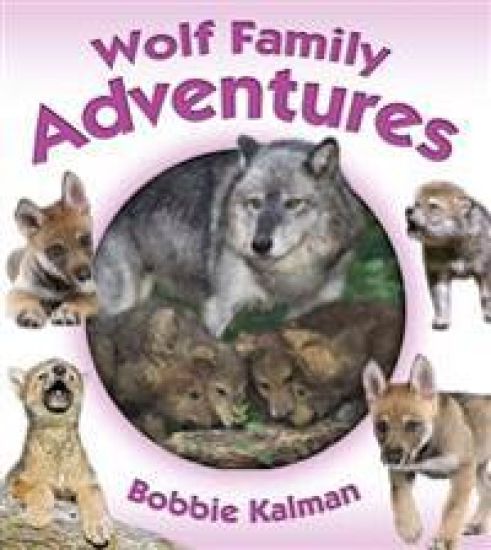
Young reders will love learning about the way of life of wolves and the challenges they face as babies and adults. This exciting story, supported by fun facts, questions, and activities, follows a family of gray wolves. They live in a highly structured social unit called a pack. This delightful adventure starts with the excitement created by the birth of newborn cubs and describes how the other members of the pack bond with them. The cubs are taught vocal and physical communication and soon learn to hunt with the pack.
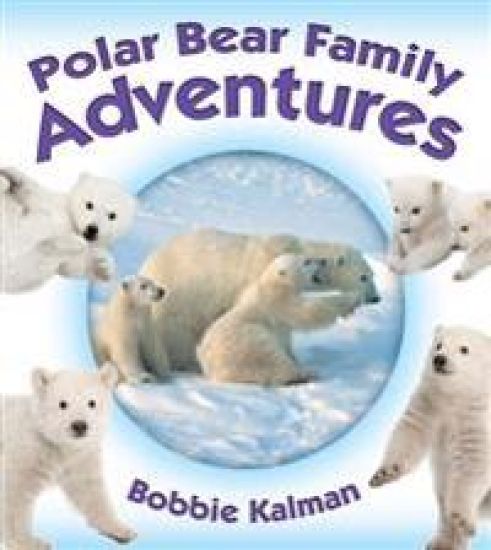
Young readers will love learning about the way of life of polar bears and the challenges they face as babies and adults. This exciting story, supported by fun facts, questions, and activities, follows two polar bear cubs born in a den dug by their mother deep under the winter snow of the Arctic. In spring, the mother and cubs emerge from the den and face the challenges of moving onto sea ice, where the hungry mother hunts for seals to eat. The cubs are given hunting lessons, ride on their mother’s back in the ocean, wrestle and play, and explore their cold habitat.
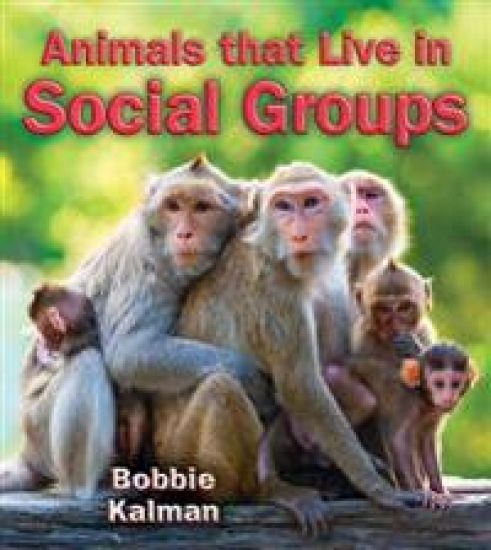
One of the biggest adaptations made by some animals is to live and work together as a group to ensure their survival. This intriguing book shows how social animals communicate and interact with members of their own species. Elephants, dolphins and orcas, monkeys, apes, lions, and wolves, educate their young, work together to find food, and take care of their group members. Smaller animals that work together in microsocieties include termites, ants, bees, and wasps.
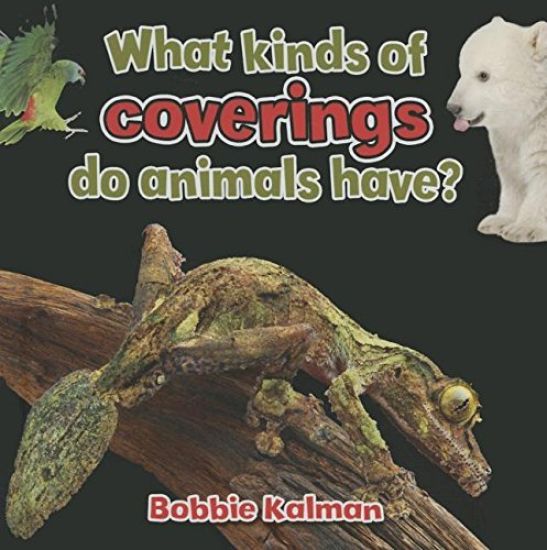
Different body coverings protect animals by keeping them warm and safe. This fun book gives readers a close-up look at different animal coverings, from fur and feathers to scales and shells, and shows how each one suits the habitat and life of the animal.