

Kirjojen hintavertailu – 12 903 725 kirjaa ja 27 kauppaa

Kirjailija

Bonnie Anderson

Kirjat ja teokset yhdessä paikassa: 2 kirjaa, julkaisuja vuosilta 2008–2024, suosituimpiin kuuluu News Flash. Vertaile teosten hintoja ja tarkista saatavuus suomalaisista kirjakaupoista.

2 kirjaa

Kirjojen julkaisuvuodet: 2008–2024.

The Educational Assistant's Guide to Supporting Inclusion in a Diverse Society

The Educational Assistant's Guide to Supporting Inclusion in a Diverse Society

Carole Massing; Bonnie Anderson; Carol Anderson; Sarah Dewhurst

Brush Education Inc
2024
pokkari
The tools every EA needs to help each child reach their full potential. The Educational Assistant’s Guide to Supporting Inclusion in a Diverse Society is an accessible, practical guide to acquiring the key skills and knowledge you need to be an effective, professional enhancement to the classroom. Chock-full of pro tips, tricks, tools, and tales from EAs who understand the importance of an individualized, holistic approach to student learning, The Educational Assistant’s Guide is your introduction to the many and varied roles and responsibilities of the effective EA. Updates for the second edition include five new chapters, a core-skills focus, targeted instructional strategies, EA wellness assessments, and more.
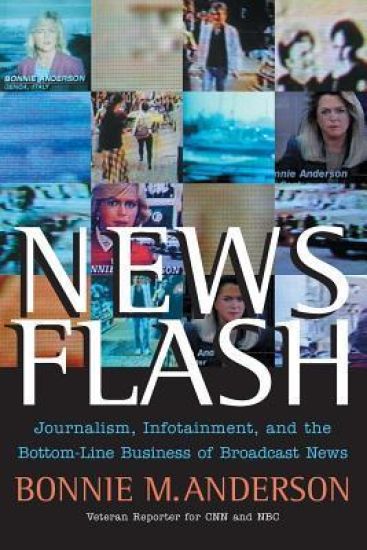
News Flash

News Flash

Bonnie Anderson

John Wiley Sons Inc
2008
nidottu
While talking heads debate the media's alleged conservative or liberal bias, award-winning journalist Bonnie Anderson knows that the problem with television news isn't about the Left versus the Right--it's all about the money. From illegal hiring practices to ethnocentric coverage to political cheerleading, News Flash exposes how American broadcast conglomerates' pursuit of the almighty dollar consistently trumps the need for fair and objective reporting. Along the way to the bottomline, the proud tradition of American television journalism has given way to an entertainment-driven industry that's losing credibility and viewers by the day. As someone who has worked as both a broadcast reporter and a network executive, Anderson details how the networks have been co-opted by bottom-line thinking that places more value on a telegenic face than on substantive reporting. Network executives—the real power in broadcast journalism—are increasingly employing tactics and strategies from the entertainment industry. They "cast" reporters based on their ability to "project credibility," value youth over training and experience, and often greenlight coverage only if they can be assured that it will appeal to advertiser-friendly demographics.