Kirjailija
Boris Pasternak
Kirjat ja teokset yhdessä paikassa: 74 kirjaa, julkaisuja vuosilta 1961–2026, suosituimpiin kuuluu Tohtori Zivago. Vertaile teosten hintoja ja tarkista saatavuus suomalaisista kirjakaupoista.
74 kirjaa
Kirjojen julkaisuvuodet: 1961–2026.
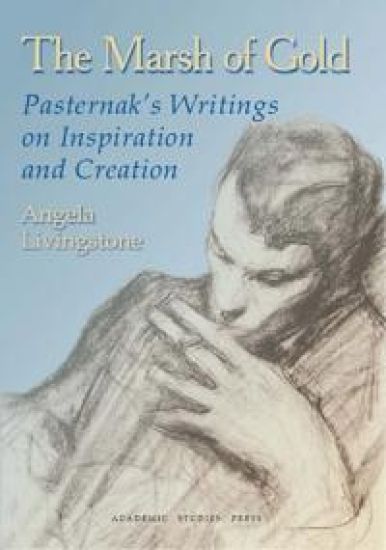
Major statements by the celebrated Russian poet Boris Pasternak (1890-1960) about poetry, inspiration, the creative process and the significance of artistic/literary creativity in his own life as well as in human life altogether, are presented here in his own words (in translation) and are discussed in the extensive Commentaries and Introduction. The texts range from 1910 to 1946 and are between two and ninety pages long. There are commentaries on all the texts, as well as a final essay on Pasternak's famous novel Doctor Zhivago, which is looked at here in the light of what it says on art and inspiration. Although universally acknowledged as one of the great writers of the twentieth century, Pasternak is not yet sufficiently recognised as the highly original and important thinker that he also was. All his life he thought and wrote about the nature and significance of the experience of inspiration, though avoiding the word 'inspiration' where possible as his own views were not the conventional ones. "The Marsh of Gold" strives to make this - philosophical - aspect of his work better known, and to communicate to readers without Russian the pleasure and interest of an 'inspired' life as Pasternak experienced it.
Major statements by the celebrated Russian poet Boris Pasternak (1890-1960) about poetry, inspiration, the creative process and the significance of artistic/literary creativity in his own life as well as in human life altogether, are presented here in his own words (in translation) and are discussed in the extensive Commentaries and Introduction. The texts range from 1910 to 1946 and are between two and ninety pages long. There are Commentaries on all the texts, as well as a final Essay on Pasternak's famous novel "Doctor Zhivago", which is looked at here in the light of what it says on art and inspiration. Although universally acknowledged as one of the great writers of the twentieth century, Pasternak is not yet sufficiently recognised as the highly original and important thinker that he also was. All his life he thought and wrote about the nature and significance of the experience of inspiration, though avoiding the word 'inspiration' where possible as his own views were not the conventional ones. My book's purpose is (a) to make this - philosophical - aspect of his work better known, and (b) to communicate to readers without Russian the pleasure and interest of an 'inspired' life as Pasternak experienced it.
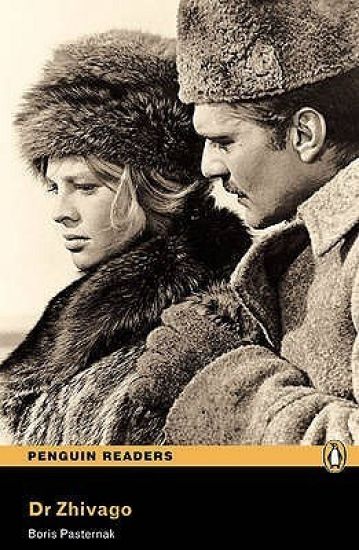
Contemporary / British English The Russian Revolution -- four young people, Yury, Tonya, Lara and Pasha, find love and lose it in this extraordinary time. Their heart-breaking stories make Dr Zhivago one of the greatest romantic books, and films, of the century.
Russland, tiden omkring revolusjonen. Legen Jurij Andrejevitsj Zhivago dras mellom sin kjærlighet til Lara, som er gift med en annen mann, og lojaliteten overfor sin egen kone Tonja og deres sønn. Mange prøvelser bringer Jurij på kryss og tvers av Russland, som forfatter, lege og soldat i den røde armé. Han har et sterkt ønske om å leve et normalt liv med sin familie, men konfronteres stadig med sin kjærlighet til Lara.
V nastojaschem izdanii predstavleno tvorcheskoe nasledie odnogo iz velichajshikh russkikh poetov, laureata Nobelevskoj premii Borisa Leonidovicha Pasternaka (1890-1960). Ot rannikh "neistovykh" stikhov on shel k "oshelomljajuschej prostote" pozdnej liriki. Mnogimi pokolenijami chitatelej ego proizvedenija ljubimy, kak chistyj zvuk v oglushajuschem shume epokhi. Po slovam Tsvetaevoj, u Pasternaka nikogda ne budet "ploschadi", no budet "mnozhestvo odinokikh, odinokoe mnozhestvo zhazhduschikh, kotorykh on, uedinennyj rodnik, poit". V knigu vkljucheny izbrannye stikhotvorenija B. L. Pasternaka raznykh let.
V 1958 godu Boris Pasternak byl udostoen Nobelevskoj premii po literature "za znachitelnye dostizhenija v sovremennoj liricheskoj poezii, a takzhe za prodolzhenie traditsij velikogo russkogo epicheskogo romana", no dlja sootechestvennikov prisuzhdenie premii okazalos prochno svjazano s romanom "Doktor Zhivago". Masshtabnaja epopeja, zakhvatyvajuschaja istorija ljubvi, tragicheskoe svidetelstvo mnogostradalnoj epokhi, - eto proizvedenie po pravu schitaetsja odnim iz velichajshikh romanov kak rossijskoj, tak i mirovoj literatury.
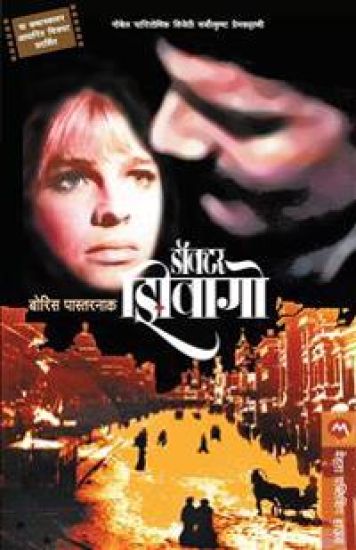
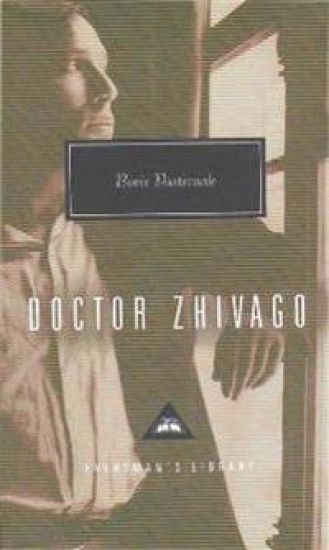
"Doctor Zhivago" is a classic love story set in Russia at the time of the revolution. Yuri Zhivago, physician and poet, wrestles with the new order and confronts the changes cruel experience has made in him, and the anguish of being torn between the love of two women.
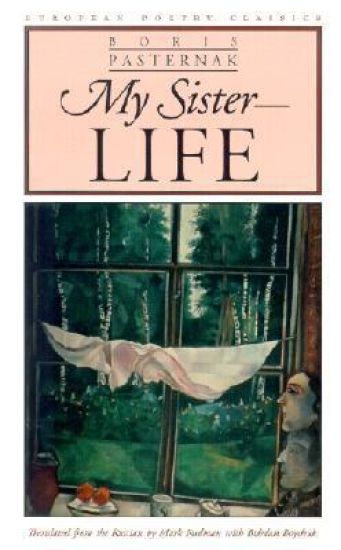
In Russian poetry, Boris Pasternak's ""My Sister-Life"" is the equivalent of ""The Waste Land"", ""Spring"", and ""Harmonium"". Written in 1917, the cycle of poems in ""My Sister-Life"" concentrates on personal journeys and loves, but is permeated by the tension and promise of the impending October revolution. Pasternak is an uncompromisingly complex poetic stylist, and his meticulous attention to structure, etymology, and phonetic qualities of words makes his poetry a formidable challenge for the translator.
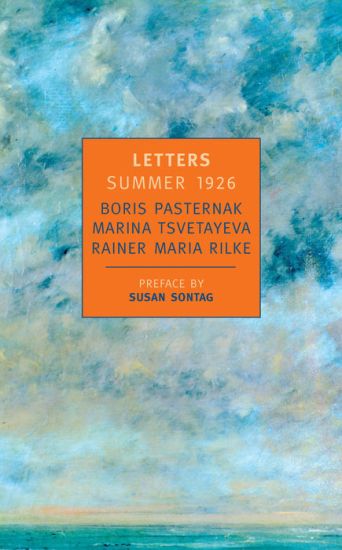
Letters Summer 1926
Boris Pasternak; Marina Tsvetayeva; Rainer Maria Rilke
New York Review of Books
2001
nidottu
Edited by Yevgeny Pasternak, Yelena Pasternak, and Konstantin M. Azadovsky The summer of 1926 was a time of trouble and uncertainty for each of the three poets whose correspondence is collected in this moving volume. Marina Tsvetayeva was living in exile in France and struggling to get by. Boris Pasternak was in Moscow, trying to come to terms with the new Bolshevik regime. Rainer Maria Rilke, in Switzerland, was dying. Though hardly known to each other, they began to correspond, exchanging a series of searching letters in which every aspect of life and work is discussed with extraordinary intensity and passion. Letters: Summer 1926 takes the reader into the hearts and minds of three of the twentieth century's greatest poets at a moment of maximum emotional and creative pressure.
»Rilkes brev är som en solbelyst mur, varma, fasta och mångskiftande. Pasternaks brev är känslosamma och analytiska, som ett forsande vattendrag. Tsvetajeva, slutligen, skriver språngartat med geniala kast mellan det vardagliga och det visionära. Hon vill inte flyta, hon vill flyga.« Anders Olsson, GP I mitten av april månad år 1926 uppstår som ett korsdrag tvärs över den europeiska kontinenten en brevväxling mellan tre av tidens största poeter. Den äldste av dem, Rainer Maria Rilke, befinner sig på ett sanatorium i Schweiz, redan märkt av den leukemi som den 29 december samma år kommer att ta hans liv. En dag inträffar ett brev från en djupt gripen Boris Pasternak, som i det unga Sovjetunionens Moskva brottas med den nya tidens krav och försörjningsbördan för familj och barn. Pasternak har från fadern i Berlin just fått den för honom överväldigande nyheten om att Rilke - »dikten själv« - är vid liv och dessutom har läst hans dikter, ett faktum som drabbar honom som »en elektrisk själskortslutning«. Han ber diktaren att inte slösa sin tid på honom, utan i stället, »som ett tecken på att jag hädanefter får skriva till Er«, sända Duinoelegierna med dedikation till hans »största och förmodligen enda väninna«, den ryska poeten Marina Tsvetajeva, som lever i djup misär i emigrationens Paris. Rilke uppfyller omedelbart Pasternaks önskan och skriver till Tsvetajeva, och därmed inleds en av 1900-talets viktigaste brevväxlingar. Boken innehåller nära 60 brev, samt Boris Pasternaks »Några teser« (1918, 1922), Rainer Maria Rilkes »Elegi till Marina Tsvetajeva-Efron« (1926; tolkning av Ernst Brunner) och Marina Tsvetajevas prosatexter »Din död« (1927), »Några brev av Rainer Maria Rilke« (1929), samt två långdikter, »Försök till ett rum« (1926; tolkning av Dan Gustavsson och Ola Wallin) och »Nyårsbrevet« (1927; tolkning av Dan Gustavsson och Ola Wallin).
Doctor Zhivago is the epic novel of Russia in the throes of revolution and one of the greatest love stories ever told. Yuri Zhivago, physician and poet, wrestles with the new order and confronts the changes cruel experience has made in him and the anguish of being torn between the love of two women.