Kirjojen hintavertailu – 12 903 725 kirjaa ja 27 kauppaa

Kirjailija

Brady Robards

Kirjat ja teokset yhdessä paikassa: 4 kirjaa, julkaisuja vuosilta 2015–2020, suosituimpiin kuuluu Growing up on Facebook. Vertaile teosten hintoja ja tarkista saatavuus suomalaisista kirjakaupoista.

4 kirjaa

Kirjojen julkaisuvuodet: 2015–2020.

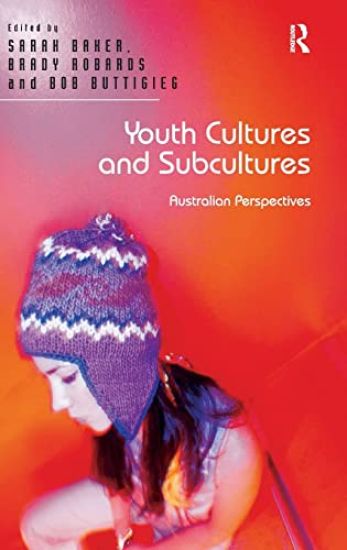
Youth Cultures and Subcultures

Youth Cultures and Subcultures

Sarah Baker; Brady Robards

Routledge
2020
nidottu
This volume critically examines ’subculture’ in a variety of Australian contexts, exploring the ways in which the terrain of youth cultures and subcultures has changed over the past two decades and considering whether ’subculture’ still works as a viable conceptual framework for studying youth culture. Richly illustrated with concrete case studies, the book is thematically organised into four sections addressing i) theoretical concerns and global debates over the continued usefulness of subculture as a concept; ii) the important place of ’belonging’ in subcultural experience and the ways in which belonging is played out across an array of youth cultures; iii) the gendered experiences of young men and women and their ways of navigating subcultural participation; and iv) the ethical and methodological considerations that arise in relation to researching and teaching youth culture and subculture. Bringing together the latest interdisciplinary research to combine theoretical considerations with recent empirical studies of subcultural experience, Youth Cultures and Subcultures will appeal to scholars and students across the social sciences.
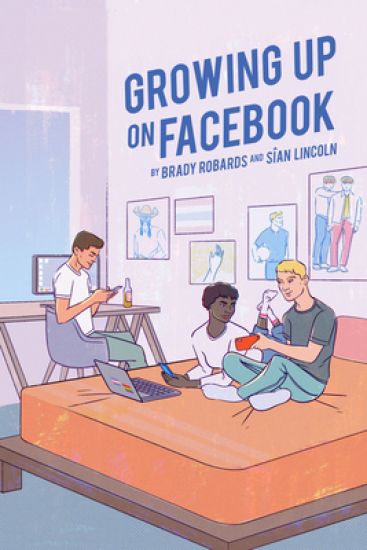
Growing up on Facebook

Growing up on Facebook

Brady Robards; Siân Lincoln

Peter Lang Publishing Inc
2020
sidottu

Halvin toimitettuna 141,90 €

Growing up in the era of social media isn’t easy. With Facebook now having existed for more than a decade and a half, young people who have grown up using social media can look back and see earlier versions of themselves staring back: nostalgic moments with friends from school, reminders of painful breakups, birthdays and graduations, posts that allude to drama with family, experiences of travel, and blurry drunken photos. How do we make sense of our own personal histories inscribed on and through social media? What are the implications for future careers, for public trust in social media companies, and for our own memories? Growing up on Facebook examines the role of Facebook, and other social media platforms that have emerged around Facebook, in mediating experiences of 'growing up' for young people. Based on interviews with the first generation of young people to grow up with social media, the book covers education and employment, love and relationships, family life, and leisure (drinking, travel, and music). It touches on processes of impression management, privacy, context collapse, and control, and raises critical questions about the standards we hold social media platforms to, as they become the guardians of our personal histories. The book will appeal to both academic and general audiences alike. Students and scholars in media and communications, the sociology of youth, and beyond, will find strong connections to the literature and acknowledgement of the methodological detail of the study the book is based on. The themes and issues covered in the book are also of broader interest, and will appeal to people who have themselves grown up in the era of social media, to parents, educators, anyone interested in how we look back at social media as a personal memory archive.
Growing up on Facebook

Growing up on Facebook

Brady Robards; Siân Lincoln

Peter Lang Publishing Inc
2020
nidottu
Growing up in the era of social media isn’t easy. With Facebook now having existed for more than a decade and a half, young people who have grown up using social media can look back and see earlier versions of themselves staring back: nostalgic moments with friends from school, reminders of painful breakups, birthdays and graduations, posts that allude to drama with family, experiences of travel, and blurry drunken photos. How do we make sense of our own personal histories inscribed on and through social media? What are the implications for future careers, for public trust in social media companies, and for our own memories? Growing up on Facebook examines the role of Facebook, and other social media platforms that have emerged around Facebook, in mediating experiences of 'growing up' for young people. Based on interviews with the first generation of young people to grow up with social media, the book covers education and employment, love and relationships, family life, and leisure (drinking, travel, and music). It touches on processes of impression management, privacy, context collapse, and control, and raises critical questions about the standards we hold social media platforms to, as they become the guardians of our personal histories. The book will appeal to both academic and general audiences alike. Students and scholars in media and communications, the sociology of youth, and beyond, will find strong connections to the literature and acknowledgement of the methodological detail of the study the book is based on. The themes and issues covered in the book are also of broader interest, and will appeal to people who have themselves grown up in the era of social media, to parents, educators, anyone interested in how we look back at social media as a personal memory archive.
Youth Cultures and Subcultures

Youth Cultures and Subcultures

Sarah Baker; Brady Robards

Routledge
2015
sidottu
This volume critically examines ’subculture’ in a variety of Australian contexts, exploring the ways in which the terrain of youth cultures and subcultures has changed over the past two decades and considering whether ’subculture’ still works as a viable conceptual framework for studying youth culture. Richly illustrated with concrete case studies, the book is thematically organised into four sections addressing i) theoretical concerns and global debates over the continued usefulness of subculture as a concept; ii) the important place of ’belonging’ in subcultural experience and the ways in which belonging is played out across an array of youth cultures; iii) the gendered experiences of young men and women and their ways of navigating subcultural participation; and iv) the ethical and methodological considerations that arise in relation to researching and teaching youth culture and subculture. Bringing together the latest interdisciplinary research to combine theoretical considerations with recent empirical studies of subcultural experience, Youth Cultures and Subcultures will appeal to scholars and students across the social sciences.