

Kirjailija
Bram Büscher
Kirjat ja teokset yhdessä paikassa: 6 kirjaa, julkaisuja vuosilta 2013–2024, suosituimpiin kuuluu Die Naturschutzrevolution. Vertaile teosten hintoja ja tarkista saatavuus suomalaisista kirjakaupoista.
6 kirjaa
Kirjojen julkaisuvuodet: 2013–2024.
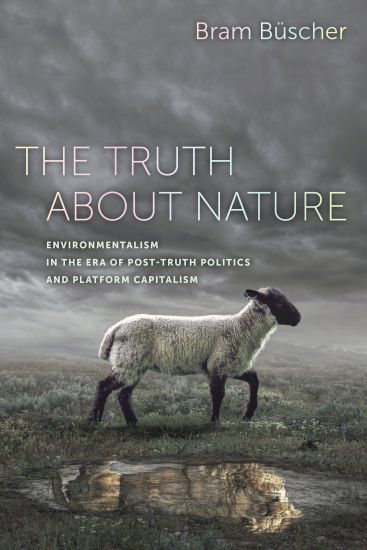
The Truth about Nature
Bram Büscher
University of California Press
2020
pokkari
Halvin toimitettuna 38,40 €
How should we share the truth about the environmental crisis? At a moment when even the most basic facts about ecology and the climate face contestation and contempt, environmental advocates are at an impasse. Many have turned to social media and digital technologies to shift the tide. But what if their strategy is not only flawed, but dangerous? The Truth about Nature follows environmental actors as they turn to the internet to save nature. It documents how conservation efforts are transformed through the political economy of platforms and the algorithmic feeds that have been instrumental to the rise of post-truth politics. Developing a novel account of post-truth as an expression of power under platform capitalism, Bram Büscher shows how environmental actors attempt to mediate between structural forms of platform power and the contingent histories and contexts of particular environmental issues. Bringing efforts at wildlife protection in Southern Africa into dialogue with a sweeping analysis of truth and power in the twenty-first century, Büscher makes the case for a new environmental politics that radically reignites the art of speaking truth to power.
How should we share the truth about the environmental crisis? At a moment when even the most basic facts about ecology and the climate face contestation and contempt, environmental advocates are at an impasse. Many have turned to social media and digital technologies to shift the tide. But what if their strategy is not only flawed, but dangerous? The Truth about Nature follows environmental actors as they turn to the internet to save nature. It documents how conservation efforts are transformed through the political economy of platforms and the algorithmic feeds that have been instrumental to the rise of post-truth politics. Developing a novel account of post-truth as an expression of power under platform capitalism, Bram Büscher shows how environmental actors attempt to mediate between structural forms of platform power and the contingent histories and contexts of particular environmental issues. Bringing efforts at wildlife protection in Southern Africa into dialogue with a sweeping analysis of truth and power in the twenty-first century, Büscher makes the case for a new environmental politics that radically reignites the art of speaking truth to power.
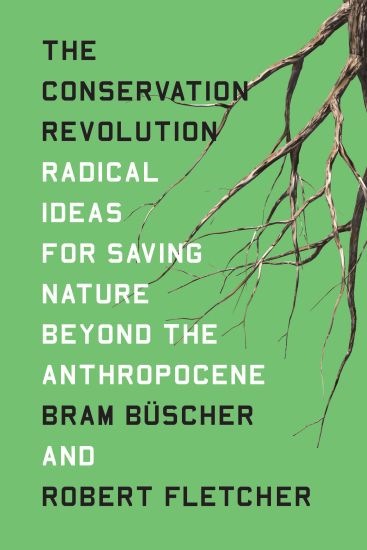
Conservation needs a revolution. This is the only way it can contribute to the drastic transformations needed to come to a truly sustainable model of development. The good news is that conservation is ready for revolution. Heated debates about the rise of the Anthropocene and the current 'sixth extinction' crisis demonstrate an urgent need and desire to move beyond mainstream approaches. Yet the conservation community is deeply divided over where to go from here. Some want to place 'half earth' into protected areas. Others want to move away from parks to focus on unexpected and 'new' natures. Many believe conservation requires full integration into capitalist production processes. Building a razor-sharp critique of current conservation proposals and their contradictions, Büscher and Fletcher argue that the Anthropocene challenge demands something bigger, better and bolder. Something truly revolutionary. They propose convivial conservation as the way forward. This approach goes beyond protected areas and faith in markets to incorporate the needs of humans and nonhumans within integrated and just landscapes. Theoretically astute and practically relevant, The Conservation Revolution offers a manifesto for conservation in the twenty-first century-a clarion call that cannot be ignored.
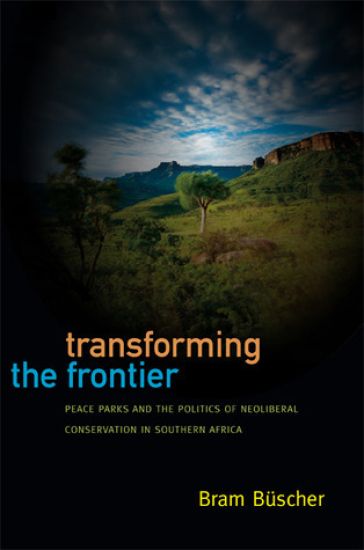
International peace parks-transnational conservation areas established and managed by two or more countries-have become a popular way of protecting biodiversity while promoting international cooperation and regional development. In Transforming the Frontier, Bram BÜscher shows how cross-border conservation neatly reflects the neoliberal political economy in which it developed. Based on extensive research in southern Africa with the Maloti-Drakensberg Transfrontier Conservation and Development Project, BÜscher explains how the successful promotion of transfrontier conservation as a "win-win" solution happens not only in spite of troubling contradictions and problems, but indeed because of them. This is what he refers to as the "politics of neoliberal conservation," which receives its strength from effectively combining strategies of consensus, antipolitics, and marketing. Drawing on long-term, multilevel ethnographic research, BÜscher argues that transfrontier conservation projects are not as concerned with on-the-ground development as they are purported to be. Instead, they are reframing environmental protection and sustainable development to fit an increasingly contradictory world order.
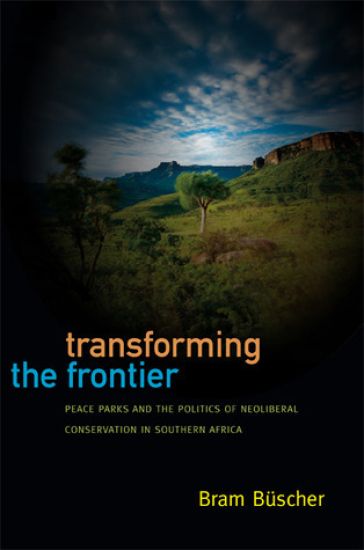
International peace parks-transnational conservation areas established and managed by two or more countries-have become a popular way of protecting biodiversity while promoting international cooperation and regional development. In Transforming the Frontier, Bram BÜscher shows how cross-border conservation neatly reflects the neoliberal political economy in which it developed. Based on extensive research in southern Africa with the Maloti-Drakensberg Transfrontier Conservation and Development Project, BÜscher explains how the successful promotion of transfrontier conservation as a "win-win" solution happens not only in spite of troubling contradictions and problems, but indeed because of them. This is what he refers to as the "politics of neoliberal conservation," which receives its strength from effectively combining strategies of consensus, antipolitics, and marketing. Drawing on long-term, multilevel ethnographic research, BÜscher argues that transfrontier conservation projects are not as concerned with on-the-ground development as they are purported to be. Instead, they are reframing environmental protection and sustainable development to fit an increasingly contradictory world order.