
Kirjailija
Bram Stoker
Kirjat ja teokset yhdessä paikassa: 1 088 kirjaa, julkaisuja vuosilta 1897–2026, suosituimpiin kuuluu Dracula. Vertaile teosten hintoja ja tarkista saatavuus suomalaisista kirjakaupoista.
1 088 kirjaa
Kirjojen julkaisuvuodet: 1897–2026.
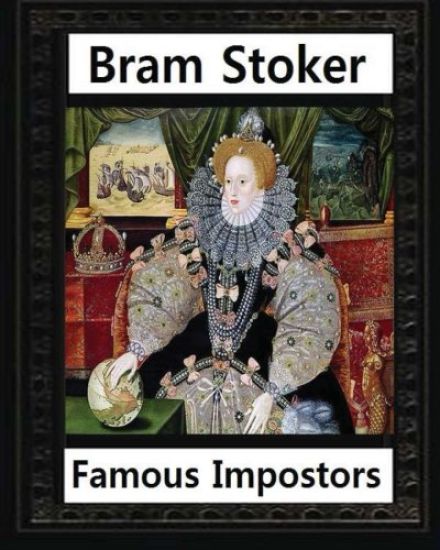
Famous imposters (1910), by Bram Stoker ( ILLUSTRATED )
Bram Stoker
Createspace Independent Publishing Platform
2016
nidottu
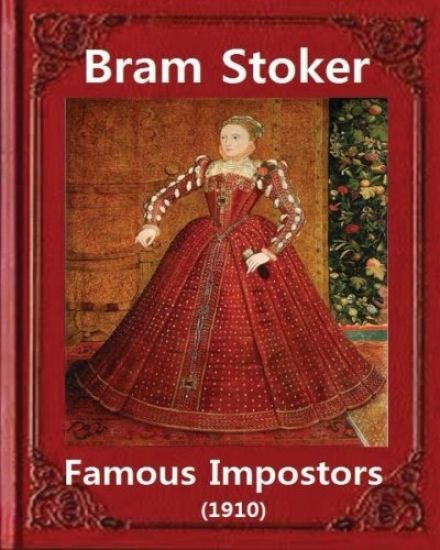
Famous imposters (1910), by Bram Stoker ( ILLUSTRATED ): Abraham "Bram" Stoker (8 November 1847 - 20 April 1912)
Bram Stoker
Createspace Independent Publishing Platform
2016
nidottu
Famous Impostors is the fourth and final book of nonfiction by Bram Stoker (the author of Dracula), published in 1910. It is a book that deals with exposing various impostors and hoaxes. Abraham "Bram" Stoker (8 November 1847 - 20 April 1912) was an Irish author, best known today for his 1897 Gothic novel Dracula. During his lifetime, he was better known as the personal assistant of actor Henry Irving and business manager of the Lyceum Theatre in London, which Irving owned. He's best remembered as the legendary manager of London's Lyceum Theatre and author of the incalculably influential 1897 novel Dracula, but Bram Stoker was a prolific writer of numerous other works, including books of nonfiction. This curious 1910 work, one of his last, is an amusing survey of the charlatans, rogues, and other practitioners of make-believe who bedevil and delight us. With a cheerfully withering eye for their cons, Stoker introduces us to many famous fakers including: royal pretenders (such as Perkin Warbeck, who claimed King Henry VII's throne) magicians (Paracelsus, Cagliostro, etc.) witches and clairvoyants women masquerading as men hoaxers and others. Irish author ABRAHAM STOKER (1847-1912) worked for more than a quarter of a century as manager of the West End's Lyceum Theatre, which drew him. Stoker was born on 8 November 1847 at 15 Marino Crescent, Clontarf, on the northside of Dublin, Ireland. His parents were Abraham Stoker (1799-1876) from Dublin and Charlotte Mathilda Blake Thornley (1818-1901), who was raised in County Sligo. Stoker was the third of seven children, the eldest of whom was Sir Thornley Stoker, 1st Bt Abraham and Charlotte were members of the Church of Ireland Parish of Clontarf and attended the parish church with their children, who were baptised there. Stoker was bedridden with an unknown illness until he started school at the age of seven, when he made a complete recovery. Of this time, Stoker wrote, "I was naturally thoughtful, and the leisure of long illness gave opportunity for many thoughts which were fruitful according to their kind in later years." He was educated in a private school run by the Rev. William Woods. After his recovery, he grew up without further major health issues, even excelling as an athlete (he was named University Athlete) at Trinity College, Dublin, which he attended from 1864 to 1870. He graduated with honours as a B. A. in Mathematics. He was auditor of the College Historical Society ("the Hist") and president of the University Philosophical Society, where his first paper was on "Sensationalism in Fiction and Society".
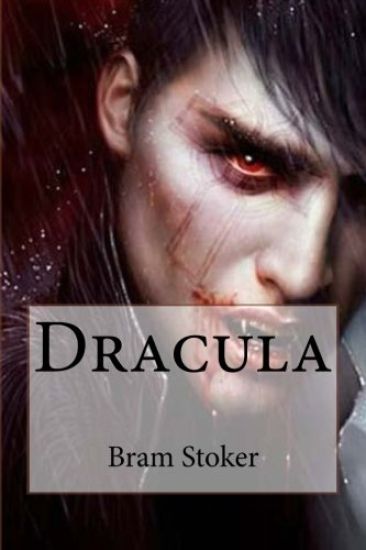
Su creaci n literaria m s reconocida, la cual realz los matices del vampirismo y pas a ser una obra literaria transmitida a trav s de los a os, fue la del vampiro Dr cula (1897)
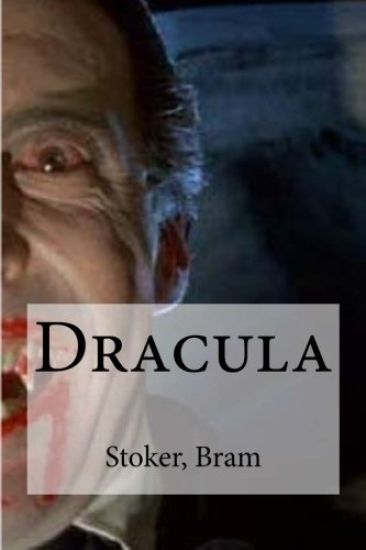
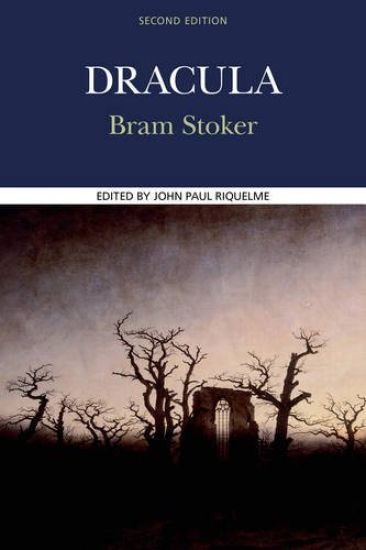
This revision of the popular critical edition of Bram Stoker's late Victorian gothic novel presents the 1897 first edition text along with critical essays that introduce students to Dracula from contemporary cultural, psychoanalytic, gender, queer, and postcolonial perspectives. An additional essay demonstrates how various critical perspectives can be combined. The text and essays are complemented by contextual documents, introductions (with bibliographies), and a glossary of critical and theoretical terms. New to the second edition are essays that reflect cultural, queer, and postcolonial perspectives, plus an essay that combines several critical perspectives. The cultural documents section features new topics (the lesbian vampire, the new woman), and the updated editorial matter includes a selective bibliography of Dracula films of note.
Famous imposters (1910) by: Bram Stoker
Bram Stoker
Createspace Independent Publishing Platform
2016
nidottu
Famous Impostors is the fourth and final book of nonfiction by Bram Stoker (the author of Dracula), published in 1910. It is a book that deals with exposing various impostors and hoaxes. Abraham "Bram" Stoker (8 November 1847 - 20 April 1912) was an Irish author, best known today for his 1897 Gothic novel Dracula. During his lifetime, he was better known as the personal assistant of actor Henry Irving and business manager of the Lyceum Theatre in London, which Irving owned. He's best remembered as the legendary manager of London's Lyceum Theatre and author of the incalculably influential 1897 novel Dracula, but Bram Stoker was a prolific writer of numerous other works, including books of nonfiction. This curious 1910 work, one of his last, is an amusing survey of the charlatans, rogues, and other practitioners of make-believe who bedevil and delight us. With a cheerfully withering eye for their cons, Stoker introduces us to many famous fakers including: royal pretenders (such as Perkin Warbeck, who claimed King Henry VII's throne) magicians (Paracelsus, Cagliostro, etc.) witches and clairvoyants women masquerading as men hoaxers and others. Irish author ABRAHAM STOKER (1847-1912) worked for more than a quarter of a century as manager of the West End's Lyceum Theatre, which drew him. Stoker was born on 8 November 1847 at 15 Marino Crescent, Clontarf, on the northside of Dublin, Ireland. His parents were Abraham Stoker (1799-1876) from Dublin and Charlotte Mathilda Blake Thornley (1818-1901), who was raised in County Sligo. Stoker was the third of seven children, the eldest of whom was Sir Thornley Stoker, 1st Bt Abraham and Charlotte were members of the Church of Ireland Parish of Clontarf and attended the parish church with their children, who were baptised there. Stoker was bedridden with an unknown illness until he started school at the age of seven, when he made a complete recovery. Of this time, Stoker wrote, "I was naturally thoughtful, and the leisure of long illness gave opportunity for many thoughts which were fruitful according to their kind in later years." He was educated in a private school run by the Rev. William Woods. After his recovery, he grew up without further major health issues, even excelling as an athlete (he was named University Athlete) at Trinity College, Dublin, which he attended from 1864 to 1870. He graduated with honours as a B. A. in Mathematics. He was auditor of the College Historical Society ("the Hist") and president of the University Philosophical Society, where his first paper was on "Sensationalism in Fiction and Society".
Famous Impostors (1910) by: Bram Stoker
Bram Stoker
Createspace Independent Publishing Platform
2016
nidottu
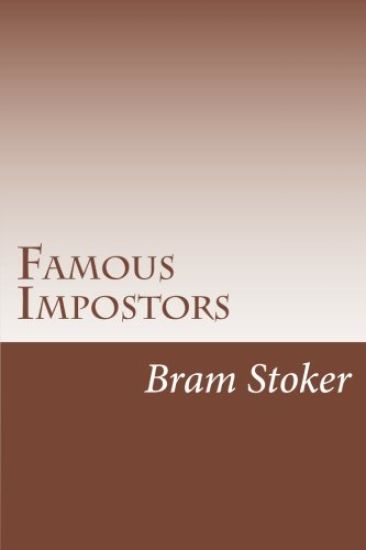
The subject of imposture is always an interesting one, and impostors in one shape or another are likely to flourish as long as human nature remains what it is, and society shows itself ready to be gulled. The histories of famous cases of imposture in this book have been grouped together to show that the art has been practised in many forms-impersonators, pretenders, swindlers, and humbugs of all kinds; those who have masqueraded in order to acquire wealth, position, or fame, and those who have done so merely for the love of the art. So numerous are instances, indeed, that the book cannot profess to exhaust a theme which might easily fill a dozen volumes; its purpose is simply to collect and record a number of the best known instances. The author, nevertheless, whose largest experience has lain in the field of fiction, has aimed at dealing with his material as with the material for a novel, except that all the facts given are real and authentic. He has made no attempt to treat the subject ethically; yet from a study of these impostors, the objects they had in view, the means they adopted, the risks they ran, and the punishments which attended exposure, any reader can draw his own conclusions.
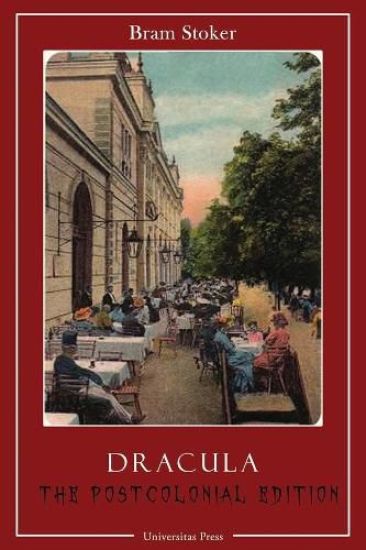
This is the first postcolonial edition of Bram Stoker's gothic classic. Jonathan Harker's colonial adventure and Bram Stoker's imperialist discourse are restored to their original context: British economic and political involvement in East-Central Europe. Relying on both British and Romanian sources, this edition avoids misinformation perpetuated by previous editions of the novel and exposes the cultural appropriation and distortion of Romanian history and folklore. Richly annotated (there are 528 explanatory notes), with an introduction that sets the tone for a postcolonial analysis, the present edition is unique in its approach as well as in the use of Stoker's original sources.
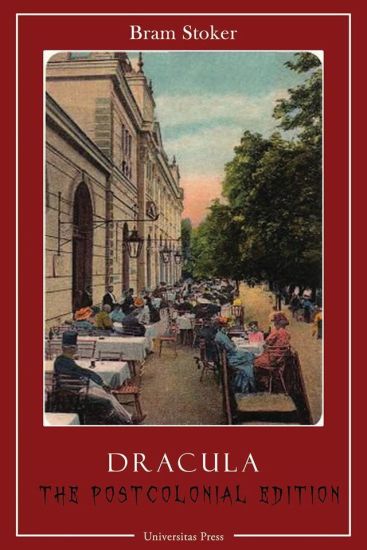
This is the first postcolonial edition of Bram Stoker's gothic classic. Jonathan Harker's colonial adventure and Bram Stoker's imperialist discourse are restored to their original context: British economic and political involvement in East-Central Europe. Relying on both British and Romanian sources, this edition avoids misinformation perpetuated by previous editions of the novel and exposes the cultural appropriation and distortion of Romanian history and folklore. Richly annotated (there are 528 explanatory notes), with an introduction that sets the tone for a postcolonial analysis, the present edition is unique in its approach as well as in the use of Stoker's original sources.