

Kirjailija
Brenda Moore
Kirjat ja teokset yhdessä paikassa: 4 kirjaa, julkaisuja vuosilta 2005–2024, suosituimpiin kuuluu Raggedy Paul. Vertaile teosten hintoja ja tarkista saatavuus suomalaisista kirjakaupoista.
4 kirjaa
Kirjojen julkaisuvuodet: 2005–2024.

In my story, I cover my idyllic childhood at home, protected under my mother's wing, where I simply existed in a state of bliss. This was before the age of six. At six years of age, I attended primary school and my whole world changed. I woke up to a world of fear, anxiety and trepidation. My daymares began and remained with me throughout my primary school days. Corporal punishment was allowed at our primary school and my teacher took full advantage. I was just a short time at school when I was beaten for the first time. I went into shock and I clammed up. I retreated into myself and I became a very sad and quiet little girl. I could not understand mental arithmetic and because of this and, instead of being patient and teaching me, my teacher beat me. This was a regular occurrence. I never spoke up about this at home. School was school and home was home, they lived side by side but they never merged. The poor treatment I received during my primary school years and the impact this abuse had on me affected my self-esteem and confidence for a very long time. I spent most of my life building myself up and making myself into the strong person that I am today.
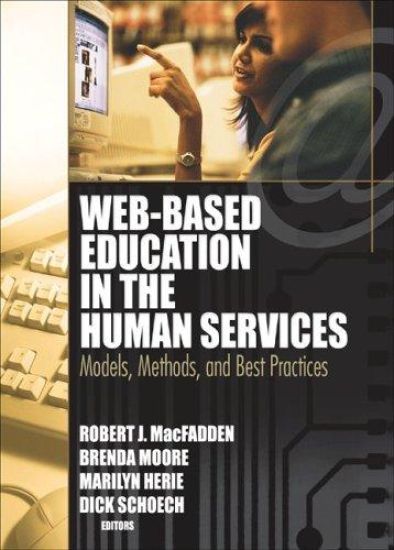
Web-Based Education in the Human Services
Richard Schoech; Brenda Moore; Robert James Macfadden; Marilyn Herie
Routledge Member of the Taylor and Francis Group
2005
sidottu
A much-needed look at innovative and effective methods for creating virtual learning environments for human servicesWeb-Based Education in the Human Services reflects the vitality and diversity of Web-based courses currently delivered within human services. Unlike previous texts that have combined technologies such as Interactive Television (ITV) and two-way audio where Web involvement was minimal, this unique book focuses on Web-based models, tools, and techniques used in courses where the majority of the content is delivered online. The book’s contributors emphasize the social aspects of learning, examining topical areas not usually associated with Web-based education as they remind us of the need to move beyond the similarities between WBE and face-to-face (FTF) approaches. Web-Based Education in the Human Services documents a course delivery method coming of age in its desire to create virtual learning environments that incorporate a variety of techniques and strategies. These environments use concepts and tools beyond what packages such as WebCT currently offer, highlighting the power of designing a complete Web-based curriculum, rather than viewing each course separately. Many of the most successful approaches presented in this invaluable book don’t involve sophisticated tools or programming, but the creative design of interactive scenarios, emotional content, and feedback mechanisms that reinforce the instructor’s role as the crucial ingredient for success. Web-Based Education in the Human Services examines: adult learning theories teaching practice skills through Web-based technology how to bridge the gap between theory and practice faculty perceptions of the effectiveness of Web-based instruction compared to face-to-face instruction the accessibility of Web-based education the significance of emotion in learning Web-based delivery of a graduate professional training program the creation, delivery, and evaluation of a pilot course using Blackboard 6 the development of a Web-based undergraduate child welfare course the use of Web-based video clips for counselor skills training the design, development, pilot, and revision of a Web-based social work practice course an online format for agency-based field instruction the design of a Web-based graduate program in counseling psychology and much more! Web-Based Education in the Human Services is an invaluable resource for social work and human services educators, including education, nursing, and psychology, Web-course developers, and college and university administrators.
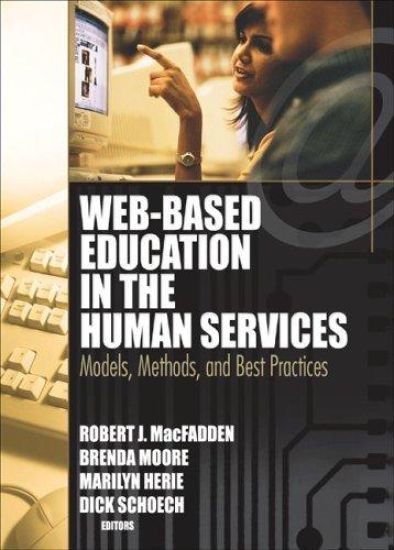
Web-Based Education in the Human Services
Richard Schoech; Brenda Moore; Robert James Macfadden; Marilyn Herie
Routledge Member of the Taylor and Francis Group
2005
nidottu
A much-needed look at innovative and effective methods for creating virtual learning environments for human servicesWeb-Based Education in the Human Services reflects the vitality and diversity of Web-based courses currently delivered within human services. Unlike previous texts that have combined technologies such as Interactive Television (ITV) and two-way audio where Web involvement was minimal, this unique book focuses on Web-based models, tools, and techniques used in courses where the majority of the content is delivered online. The book’s contributors emphasize the social aspects of learning, examining topical areas not usually associated with Web-based education as they remind us of the need to move beyond the similarities between WBE and face-to-face (FTF) approaches. Web-Based Education in the Human Services documents a course delivery method coming of age in its desire to create virtual learning environments that incorporate a variety of techniques and strategies. These environments use concepts and tools beyond what packages such as WebCT currently offer, highlighting the power of designing a complete Web-based curriculum, rather than viewing each course separately. Many of the most successful approaches presented in this invaluable book don’t involve sophisticated tools or programming, but the creative design of interactive scenarios, emotional content, and feedback mechanisms that reinforce the instructor’s role as the crucial ingredient for success. Web-Based Education in the Human Services examines: adult learning theories teaching practice skills through Web-based technology how to bridge the gap between theory and practice faculty perceptions of the effectiveness of Web-based instruction compared to face-to-face instruction the accessibility of Web-based education the significance of emotion in learning Web-based delivery of a graduate professional training program the creation, delivery, and evaluation of a pilot course using Blackboard 6 the development of a Web-based undergraduate child welfare course the use of Web-based video clips for counselor skills training the design, development, pilot, and revision of a Web-based social work practice course an online format for agency-based field instruction the design of a Web-based graduate program in counseling psychology and much more! Web-Based Education in the Human Services is an invaluable resource for social work and human services educators, including education, nursing, and psychology, Web-course developers, and college and university administrators.