
Kirjailija
Brian Howe
Kirjat ja teokset yhdessä paikassa: 7 kirjaa, julkaisuja vuosilta 1997–2026, suosituimpiin kuuluu United We Stand, Divided We Fall.. Vertaile teosten hintoja ja tarkista saatavuus suomalaisista kirjakaupoista.
7 kirjaa
Kirjojen julkaisuvuodet: 1997–2026.
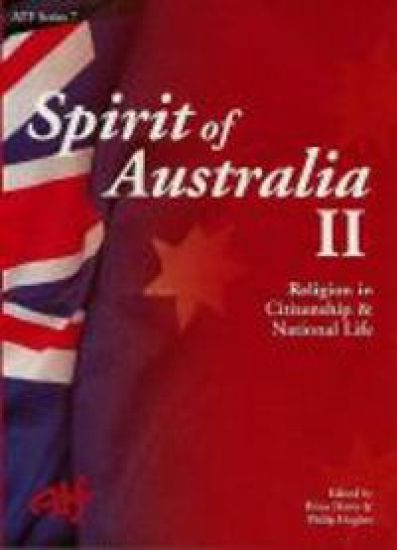
At the time of Federation Australia was seen as a country of some substance despite all the contradictions reflected in its history. The debates about Federation were neither lacking in idealism or in vision. It was a country that was willing to experiment with innovative legislation and social programs and to promote egalitarian values. It was a country which embraced liberal values but they were not lacking in social content. While the influence of religion may have been subtle it was nevertheless real. The Centenary of Federation is an important opportunity to reflect on the role of religion in Australian national life and citizenship, and to document that history and look to the future. In an era of increasing emphasis on the freedom and or the responsibility of individuals and the escalating - some feel inexorable - substitution of markets for civil language emphasising interdependence and broader community or common responsibility, this is even more the time for reflecting on the role of religion in Australia's history. The essays in this volume address these concerns.
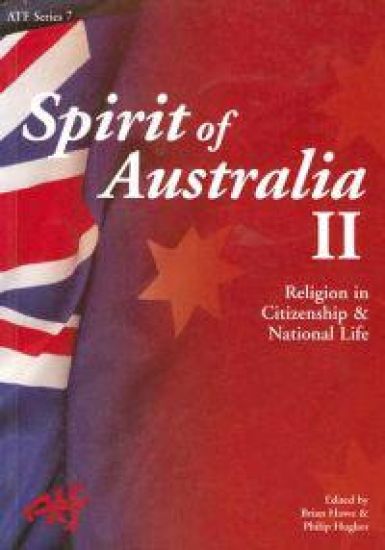
This volume is about the interplay between the Christian faith and civil society in Australia at the time prior to and during the process of constructing a federated nation, and in the period since Federation.

Tervetuloa Pohjoismaiden suurimpaan verkkokirjakauppaan! Adlibris kannattaa sananvapautta, ja haluamme edistää kirjallisuuden ja tiedon saatavuutta.
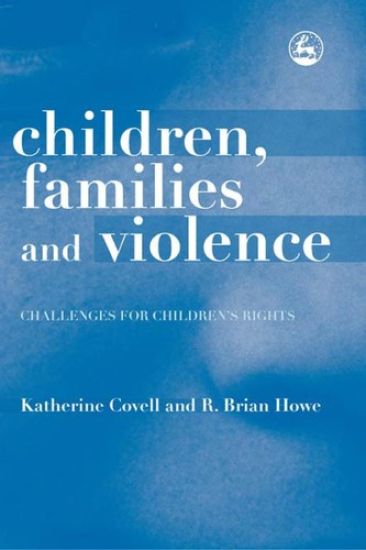
Children, Families and Violence
Brian Howe; Katherine Covell
Jessica Kingsley Publishers
2008
sidottu
This book examines the risk factors surrounding children at risk of experiencing and perpetrating violence, and looks at the positive role that children's rights can play in their protection. The authors propose that violence in childhood is not spontaneous: that children are raised to become violent in poorly functioning families and child-unfriendly environments. They may be exposed to toxic substances in utero, to maltreatment in infancy, to domestic violence or parental criminality as they grow up. Each of these risk factors is empirically linked with the development of antisocial and aggressive behaviour, and each reflects a violation of children's rights to protection from maltreatment. The authors show how respecting children's rights and safeguarding them from exposure to violence can shift the balance between risk and protective factors and, as a result, reduce the incidence and severity of childhood violence. This book will be essential reading for professionals working in child protection or with young offenders, academics, students, practitioners and policy-makers.
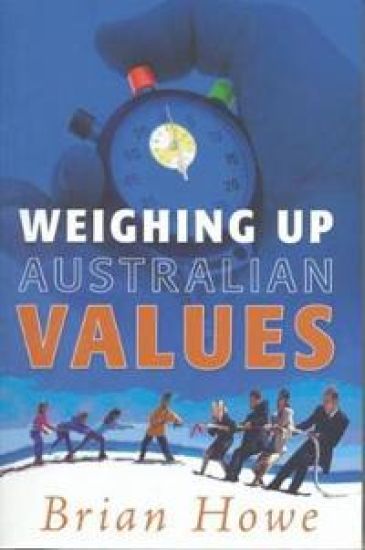
Over the past 30 years, Australia has experienced ongoing economic and social change. During this time, many Australians might have felt liberated by the freer economic and social environment. At the same time, though, many more Australians have felt their lives becoming more precarious and come to see themselves in danger of social exclusion. ""Weighing up Australian Values"" explains why so many Australians feel a greater sense of risk and suggests some positive new directions in social policy designed to anticipate and help people address risk. The book does not identify 'risk' as a negative; instead it argues that converting risk into opportunity requires a co-ordinated policy response. In his book, Howe rejects the emphasis being placed on personal responsibility and morality in much of contemporary social policy discourse. He argues that society needs to give more attention to anticipating risks as they emerge for people across the life course, and governments should be developing policy responses that will enable people to convert risk into opportunity. ""Weighing up Australian Values"" emphasises the importance of 'time sovereignty' - that is the capacity of people to bank time so that they can vary their work commitments in the light of caring responsibilities, their need for further education and training or because they may at certain periods be carrying more community leadership responsibility. It is a book of big ideas such as the need for 'learning accounts', as well as new institutional arrangements that help people to manage difficult transitions in life.
Industrialised countries worldwide have for years been confronting the prospect of a steadily ageing population. This book, first published in 1997, reflects the breadth of research into gerontology and analyses the major themes and issues in the area of ageing and social policy in both an Australian context and from an international comparative perspective. Topics discussed include unemployment, education, and housing for the aged. Added to this is the contemporary influence of multiculturalism and the challenge it poses to policies and programs that must cater for a growing diversity in the ageing population. A special focus is given to the situation of women and Aboriginal Australians and the specific structural disadvantages they face. This book is essential reading for students and policy-makers in sociology, social and public policy, gerontology, and public health.