Kirjojen hintavertailu – 12 903 724 kirjaa ja 27 kauppaa
Kirjailija
Brian Wilcox
Kirjat ja teokset yhdessä paikassa: 6 kirjaa, julkaisuja vuosilta 1992–2021, suosituimpiin kuuluu ...all good apologies end in a #ashtag. Vertaile teosten hintoja ja tarkista saatavuus suomalaisista kirjakaupoista.
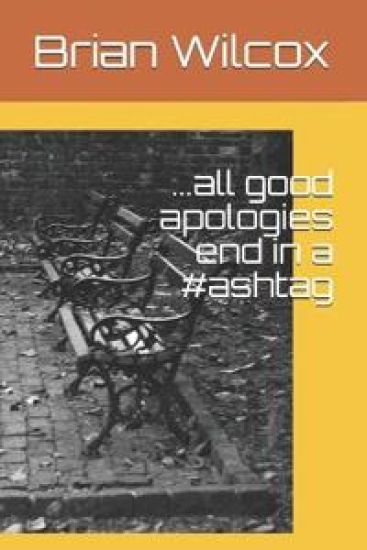
I'm an introvert. A people watcher. An introspective fool and a lover of stories that are at times not mine but seem far too real to forget. This is a collection of stories and poems in different forms. Some are my own, some are my interpretation but all of them are "real" in that the truth is mine even if it's purely subjective.
Originally published in 1984. Many schools are faced with the problem of what to teach the large numbers of below average pupils who are never likely to pass any GCE or CSE examination. These pupils are often troublesome, bored and eager to get out of school into the real world of work. At this time, many schools were planning a new curriculum for these pupils - taking account of limited abilities and concentrating on teaching skills and knowledge which will be useful when they have left school. This book, based on extensive original research, considers this problem and puts forward suggestions for how the curriculum might be reformed to cater for these pupils. It discusses both what the content of the reformed curriculum might be and how the process might be implemented to involve those teachers who teach the pupils concerned.
Originally published in 1984. Many schools are faced with the problem of what to teach the large numbers of below average pupils who are never likely to pass any GCE or CSE examination. These pupils are often troublesome, bored and eager to get out of school into the real world of work. At this time, many schools were planning a new curriculum for these pupils - taking account of limited abilities and concentrating on teaching skills and knowledge which will be useful when they have left school. This book, based on extensive original research, considers this problem and puts forward suggestions for how the curriculum might be reformed to cater for these pupils. It discusses both what the content of the reformed curriculum might be and how the process might be implemented to involve those teachers who teach the pupils concerned.
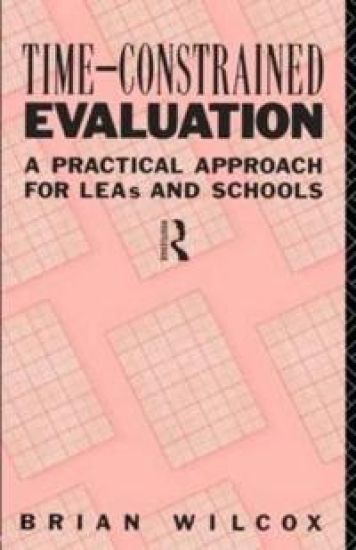
Evaluation, whether in schools and colleges, LEAs or TECs is now universally recognised as an essential part of any effective educational and training system. There are, however, two major problems in its implementation: lack of time and a perceived lack among middle and senior managers of the special skills necessary for an evaluation to have external validity. This book provides a solution to both problems. It offers evaluation processes which accept time limitations and work within them an it strips away the mystique of evaluation to describe methods and procedures which will enable educational and training staff at all levels to organise and carry out useful evaluations. Administrators, teachers and trainers as well as the staff of local and national inspectorates will welcome its cogent and realistic guidance.
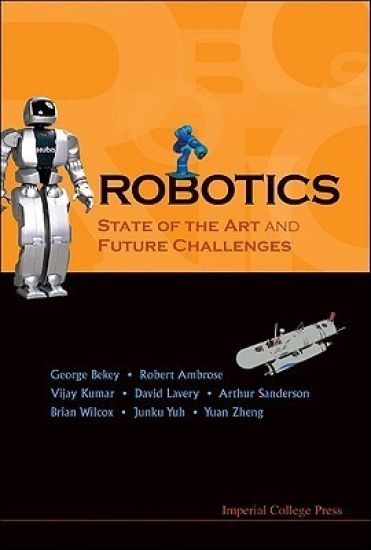
This book presents the results of an assessment of the state of robotics in Japan, South Korea, Western Europe and Australia and a comparison of robotics R&D programs in these countries with those in the United States. The comparisons include areas like robotic vehicles, space robotics, service robots, humanoid robots, networked robots, and robots for biological and medical applications, and based on criteria such as quality, scope, funding and commercialization. This important study identifies a number of areas where the traditional lead of the United States is being overtaken by developments in other countries.
Evaluation, whether in schools and colleges, LEAs or TECs is now universally recognised as an essential part of any effective educational and training system. There are, however, two major problems in its implementation: lack of time and a perceived lack among middle and senior managers of the special skills necessary for an evaluation to have external validity. This book provides a solution to both problems. It offers evaluation processes which accept time limitations and work within them an it strips away the mystique of evaluation to describe methods and procedures which will enable educational and training staff at all levels to organise and carry out useful evaluations. Administrators, teachers and trainers as well as the staff of local and national inspectorates will welcome its cogent and realistic guidance.