Kirjojen hintavertailu – 12 903 725 kirjaa ja 27 kauppaa
Kirjailija
Bryan Shorrocks
Kirjat ja teokset yhdessä paikassa: 3 kirjaa, julkaisuja vuosilta 2014–2016, suosituimpiin kuuluu The Biology of African Savannahs. Vertaile teosten hintoja ja tarkista saatavuus suomalaisista kirjakaupoista.
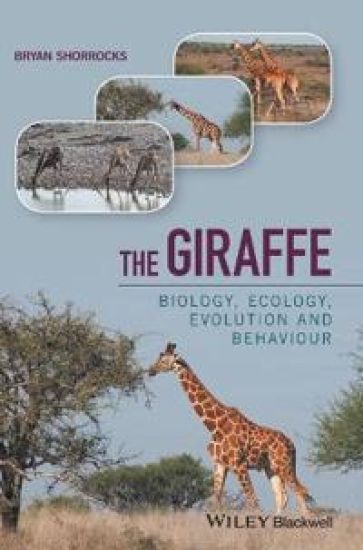
Provides a comprehensive overview of one of nature's most engaging mammals Covers fossil history, taxonomy, genetics, physiology, biomechanics, behavior, ecology, and conservationIncludes genetic analysis of five of the six subspecies of modern giraffesIncludes giraffe network studies from Laikipia Kenya, Etosha National Park, Namibia andSamburu National Reserve, Kenya
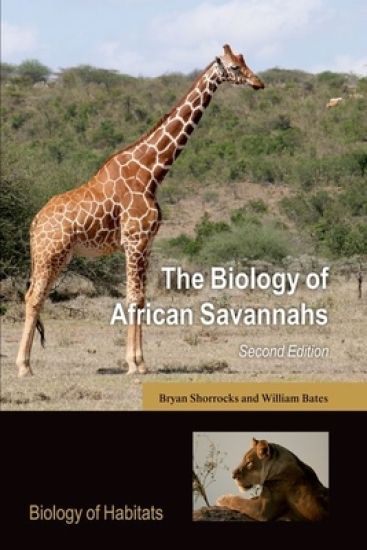
Savannah habitats comprise an ecologically important, but ultimately fragile, ecosystem. They constitute one of the largest biomes on Earth, covering almost 20% of the land surface, and can be simply described as tropical and subtropical grasslands with scattered bushes and trees. Most savannahs occur in Africa, although smaller areas can be found in South America, India, and Australia. They form a rich mosaic of diverse ecosystems, and this book offers a concise but comprehensive introduction to their ecology, biodiversity, and conservation. The Biology of African Savannahs describes the major plants (grasses, and trees such as Acacia) and animals (mainly large mammals) that live in this habitat, and examines the biological and ecological factors that influence their population size, interactions (such as predation), and community composition. Conservation issues such as climate change, hunting, and conflict between wildlife and domestic animals are also discussed. This new edition has been updated throughout with the latest research in the field, and contains new technique boxes which introduce readers to some of the analytical methods used to study African savannahs. This accessible text is suitable for both senior undergraduate and graduate students taking courses in savannah and tropical ecology as part of a wider ecology and/or conservation biology degree programme. It will also be of relevance and use to the many professional ecologists and conservation practitioners requiring a concise but authoritative overview of the topic.
Savannah habitats comprise an ecologically important, but ultimately fragile, ecosystem. They constitute one of the largest biomes on Earth, covering almost 20% of the land surface, and can be simply described as tropical and subtropical grasslands with scattered bushes and trees. Most savannahs occur in Africa, although smaller areas can be found in South America, India, and Australia. They form a rich mosaic of diverse ecosystems, and this book offers a concise but comprehensive introduction to their ecology, biodiversity, and conservation. The Biology of African Savannahs describes the major plants (grasses, and trees such as Acacia) and animals (mainly large mammals) that live in this habitat, and examines the biological and ecological factors that influence their population size, interactions (such as predation), and community composition. Conservation issues such as climate change, hunting, and conflict between wildlife and domestic animals are also discussed. This new edition has been updated throughout with the latest research in the field, and contains new technique boxes which introduce readers to some of the analytical methods used to study African savannahs. This accessible text is suitable for both senior undergraduate and graduate students taking courses in savannah and tropical ecology as part of a wider ecology and/or conservation biology degree programme. It will also be of relevance and use to the many professional ecologists and conservation practitioners requiring a concise but authoritative overview of the topic.