Kirjojen hintavertailu – 12 859 824 kirjaa ja 27 kauppaa
Kirjailija
Bulent Gokay
Kirjat ja teokset yhdessä paikassa: 14 kirjaa, julkaisuja vuosilta 2005–2027, suosituimpiin kuuluu Wars of Neoliberalism. Vertaile teosten hintoja ja tarkista saatavuus suomalaisista kirjakaupoista.
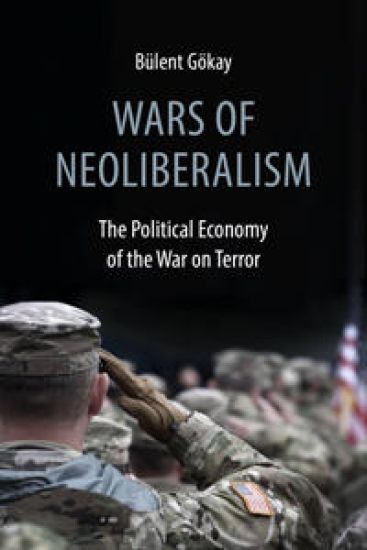
Initiated in response to the 9/11 attacks, the wars in Iraq and Afghanistan formed part of the Bush Administration’s War on Terror but they were also a strategic response to the United States' long hegemonic decline. In its chaotic withdrawal some 20 years later, the US had accelerated the disorganization and chaos in the very societies it sought to pacify and rebuild. Whereas much has been written about the military campaigns, this book focuses on the occupations of Iraq (2003–11) and Afghanistan (2001–21) as part of the processes of global political economy. Private contracts for reconstruction projects were lucrative, unregulated and unsupervised and largely led to the further degradation of infrastructure and immiseration of the occupied territories. Corruption and neoliberal accumulation thrived. Neoliberalism is shown to have been a core driver of the rationalization of America's wars of intervention, which presented an economic opportunity too good to miss.
Human Costs of Wardocuments and analyses the direct and indirect toll that war takes on civilians and their livelihoods, taking a human security approach exploring personal, economic, political and community security in Afghanistan, Iraq and Ukraine, in the contexts of the War on Terror and the New Cold War. The book offers an understanding of war through the recording and comprehension of its civilian casualties and evaluates whether the force used has been proportionate to the threat that prompted it and the concern for human welfare. In the 21st century, the power of the USA has declined, while countries such as China and India become more powerful. The global power balance has been altered in a fundamental way towards a multi-polar world system, with the West no longer able to enforce its policies abroad. Regional and global governance are not assured, and devastating wars have taken a heavy toll in terms of death, poverty and displacement, which feed into the cycle of long-term insecurity. The authors argue that it is important for any conflict to be understood not only in terms of the perpetrators of violence, or of the political and economic reasons behind it, but also in terms of its impact on the civilian population and their security, focusing on conflicts in the Middle East which followed 9/11 and Russia’s invasion of Ukraine. The book will be of interest to academics, the public, the media, security agencies and international organisations. It will be useful for undergraduate and postgraduate students of International Relations, International Law, Security, Politics, Policing, Human Rights, Ethics, Peace Studies, Eastern Europe, American Studies and the Middle East.
Human Costs of War documents and analyses the direct and indirect toll that war takes on civilians and their livelihoods, taking a human security approach exploring personal, economic, political and community security in Afghanistan, Iraq and Ukraine, in the contexts of the War on Terror and the New Cold War. The book offers an understanding of war through the recording and comprehension of its civilian casualties and evaluates whether the force used has been proportionate to the threat that prompted it and the concern for human welfare. In the 21st century, the power of the USA has declined, while countries such as China and India become more powerful. The global power balance has been altered in a fundamental way towards a multi-polar world system, with the West no longer able to enforce its policies abroad. Regional and global governance are not assured, and devastating wars have taken a heavy toll in terms of death, poverty and displacement, which feed into the cycle of long-term insecurity. The authors argue that it is important for any conflict to be understood not only in terms of the perpetrators of violence, or of the political and economic reasons behind it, but also in terms of its impact on the civilian population and their security, focusing on conflicts in the Middle East which followed 9/11 and Russia’s invasion of Ukraine. The book will be of interest to academics, the public, the media, security agencies and international organisations. It will be useful for undergraduate and postgraduate students of International Relations, International Law, Security, Politics, Policing, Human Rights, Ethics, Peace Studies, Eastern Europe, American Studies and the Middle East.
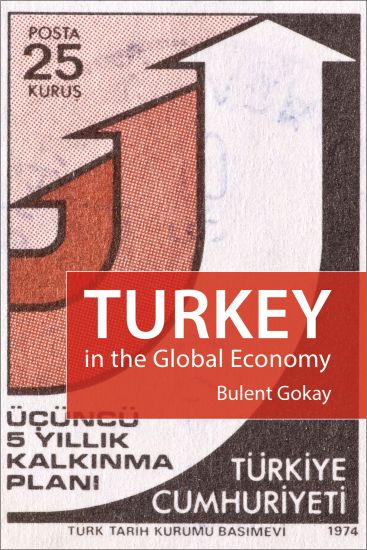
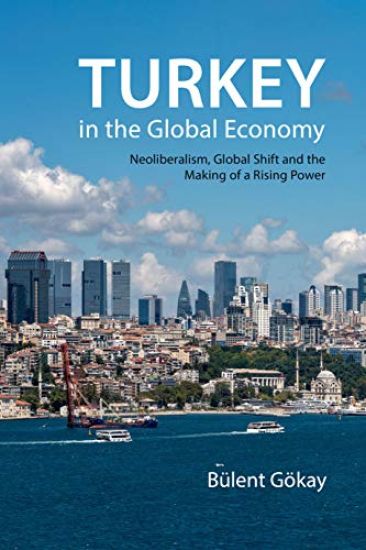
Since the late-1990s Turkey has emerged as a significant economic power. Never colonized and straddling the continents of Europe and Asia, it plays a strategically important role in a region of increasing instability. Bülent Gökay examines Turkey’s remarkable domestic political and economic transformation over the past two decades within the context of broader regional and global changes. By situating the story of Turkey’s economic growth within an analysis of the structural changes and shifts in the world economy, the book provides new insights into the functioning of Turkey’s political economy and the successes and failures of its ruling party’s economic management.
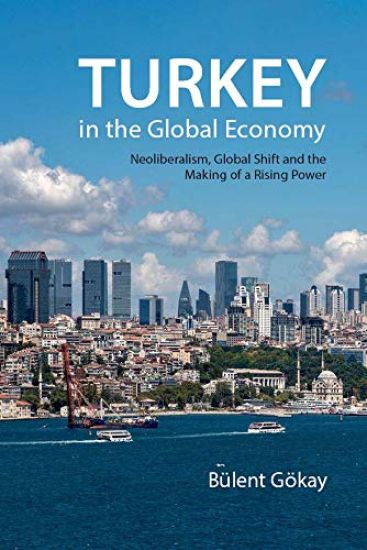
Since the late-1990s Turkey has emerged as a significant economic power. Never colonized and straddling the continents of Europe and Asia, it plays a strategically important role in a region of increasing instability. Bülent Gökay examines Turkey’s remarkable domestic political and economic transformation over the past two decades within the context of broader regional and global changes. By situating the story of Turkey’s economic growth within an analysis of the structural changes and shifts in the world economy, the book provides new insights into the functioning of Turkey’s political economy and the successes and failures of its ruling party’s economic management.
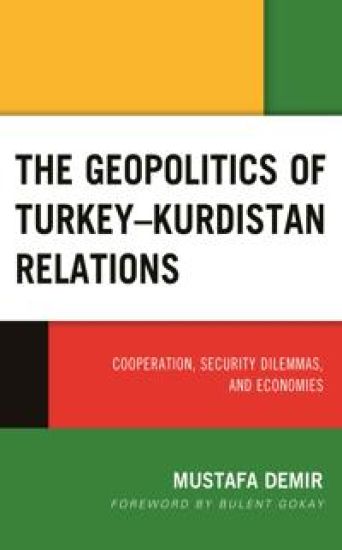
The main objective of this book is to understand the extent and the motives behind the shift in Turkey’s foreign policy towards the Kurdistan Regional Government (hereafter the KRG) from an alternative globalist perspective, and to do so it examines a ten-year period of Turkey’s foreign policy on the KRG, from 2003 to 2013. Despite the shadows casting by its history, Turkey has developed relations with the Kurdish government to the level of a strategic partnership within the last decade, following the 2003 invasion of Iraq. The book identifies and analyses the factors that determine Turkey’s foreign policy towards the KRG by providing a historical account of Turkey’s approach towards a Kurdish polity, illuminating the extent of the shift in Turkey’s foreign policy by looking at some dislocatory moves, and identifying and analyzing regional and global motives behind the Turkey–KRG rapprochement that led Turkey to abandon its traditional policy temporally towards the Kurdish Region of Iraq within the period this work is focused on. The book brings the global dimension to the discussion and suggests that developments at the global level play a significant role in shaping the regional and internal contexts in which the partnership between Turkey and the KRG was established. And in conclusion it argues that Turkish foreign policy towards the KRG shifted between 2007 and 2013 due to the intersection of regional and global fault lines and competition between global power blocks, the United States, Russia and China over energy resources and strategic trade and transit energy routes.
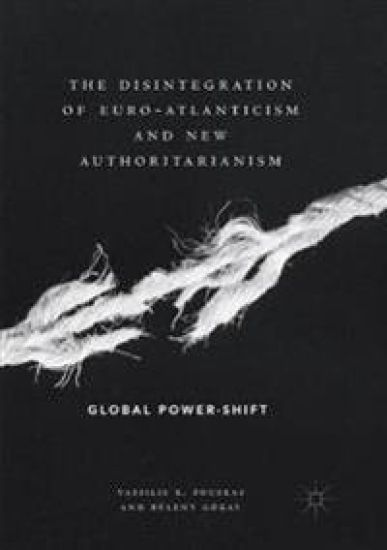
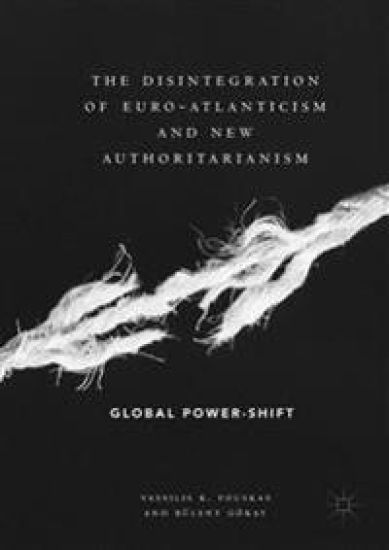
This book sets out a concrete analytical and empirical framework to understand the Euro-zone crisis and the deep disintegrative tendencies of Euro-Atlantic neo-imperialism. It explores how the authoritarianism and austerity led from above in the transatlantic world cultivate right-wing populism and racist hysteria from below, especially in relation to the global power-shift to China and other emerging economies. The authors argue that ordoliberal/neo-liberal austerity cannot reverse the decline of western economies; if anything, it precipitates their downfall and the re-launching of globalization under Asian primacy. The book will appeal to students, scholars and policymakers across the fields of International Political Economy, European Politics and Critical Social and Political Theory.
This book sets out a concrete analytical and empirical framework to understand the Euro-zone crisis and the deep disintegrative tendencies of Euro-Atlantic neo-imperialism. It explores how the authoritarianism and austerity led from above in the transatlantic world cultivate right-wing populism and racist hysteria from below, especially in relation to the global power-shift to China and other emerging economies. The authors argue that ordoliberal/neo-liberal austerity cannot reverse the decline of western economies; if anything, it precipitates their downfall and the re-launching of globalization under Asian primacy. The book will appeal to students, scholars and policymakers across the fields of International Political Economy, European Politics and Critical Social and Political Theory.
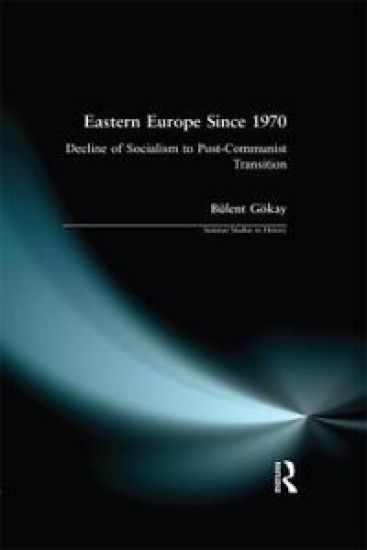
From the hardening grip of Soviet domination under Brezhnev to the collapse of communism and its aftermath, Bulent Gokay provides the essential introduction to Eastern Europe in the last quarter of the twentieth century. The Soviet invasion of Czechoslovakia in 1968 spelt the end of reformist communism and the tightening of Soviet control throughout Eastern Europe. In spite of this, several countries within the Soviet Bloc managed to retain varying degrees of independence over the next two decades. Focusing on the struggle towards economic and social modernisation in the region and the competing influences of East and West in a dangerous Cold War. Bulent Gokay shows how individual circumstances and diverse national characteristics made a uniform application of the Soviet model impossible, and charts the growing resistance to domination and the momentous events which finally toppled Soviet power in the region.
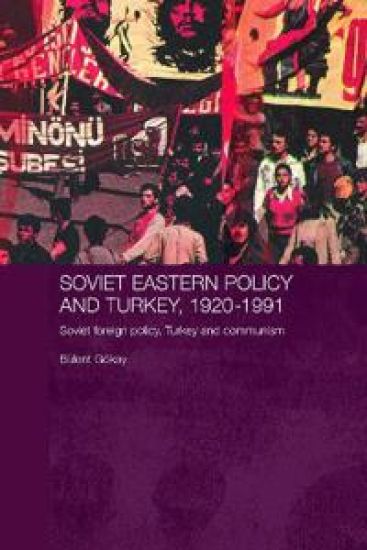
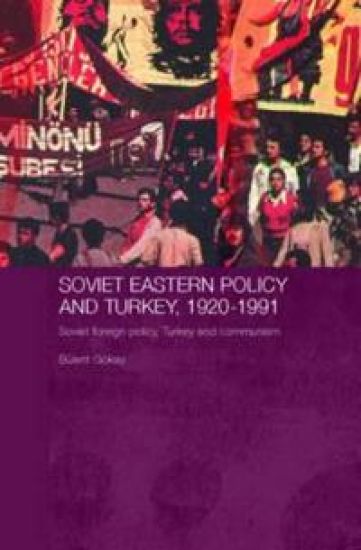
This is an impressive work that traces the relationship between the Soviet Union and Turkey on the one hand, and the Soviet Union and the Turkish Communist Party on the other, from the consolidation of the communist regime in Moscow until its fall. The book considers how 'Soviet Eastern Policy' was formed, how it changed over time, what the Soviet leaders hoped to gain in Turkey, and what impact Soviet policy had on the development of the Turkish communist movement. It is a valuable resource for students and scholars with an interest in Russian and Soviet poltics and international relations.
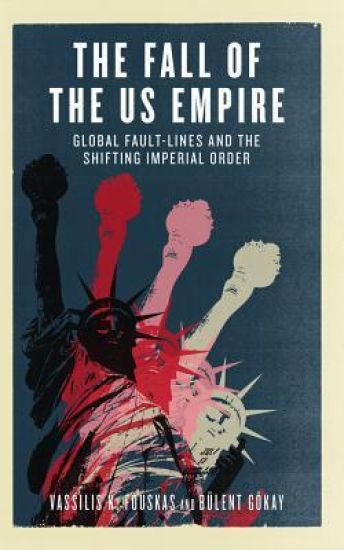
Despite Washington's military supremacy, its economic foundations have been weakening since the Vietnam war – accelerated by the great recession and credit-rating downgrade – and its global authority dented by the quagmires in Iraq and Afghanistan. This book intervenes in the debates surrounding America's status as an empire. It analyses Immanuel Wallerstein and others who argue that the US is in decline, to those who maintain that it remains a robust superpower. By explaining how America's neo-imperial system of governance has been working since WWII, it links the US's domestic and foreign vulnerabilities. The Fall of the US Empire argues that the time has come to understand the US empire not by its power but by its systemic vulnerabilities of financialisation, resource depletion and environmental degradation.
This is an impressive work that traces the relationship between the Soviet Union and Turkey on the one hand, and the Soviet Union and the Turkish Communist Party on the other, from the consolidation of the communist regime in Moscow until its fall. The book considers how 'Soviet Eastern Policy' was formed, how it changed over time, what the Soviet leaders hoped to gain in Turkey, and what impact Soviet policy had on the development of the Turkish communist movement. It is a valuable resource for students and scholars with an interest in Russian and Soviet poltics and international relations.
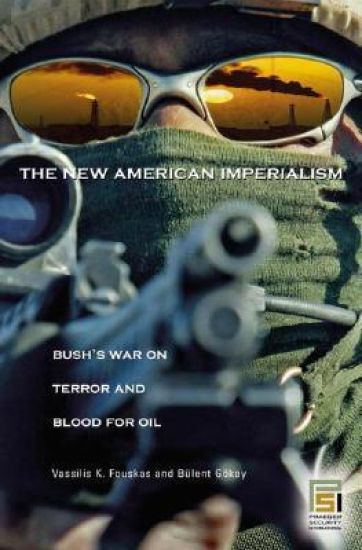
With the terrorist attacks of September 11, 2001, the United States' long war on communism was replaced by a perpetual war on terror. The authors posit that this neo-imperialistic phase is but the latest development in a line of thought and action established after World War II. But, they say, 2005 is not 1945. Today, they argue, the United States uses its power to deplete the resources of the developing world, and to compel the rest of the world to remain dependent on American management of the global economy. Contending that this situation is ultimately untenable, they assert that the United States is entering a period of deep crisis. The best thing for American neo-imperialists to do to avert their worst nightmare—a strategic and economic alliance among Europe, Russia, China, and OPEC—would be to arrange for the orderly withdrawal of American power before it is too late for the human and environmental security of the world. When the Soviet Union collapsed in 1991, the Cold War slowly gave way to a new world order in which the United States was left as the lone superpower. But the organizing principle that would characterize the early 21st century was as yet unclear, until the terrorist attacks of September 11, 2001. Now it is clear that the long war on Communism has been replaced by a perpetual war on terror. Regardless of how long American troops remain in Iraq, and irrespective of further military actions, George W. Bush will continue to be a wartime president whose foreign policy is dominated by the Pentagon. And yet, the authors argue, this neo-imperialistic phase, with its emphasis on Eurasian oil supplies, is but the latest development in a line of thinking and acting in the world that was established by such men as Dean Acheson and Paul Nitze after World War II. But 2005 is not 1945, and the United States, despite Secretary of Defense Donald Rumsfeld and Vice President Dick Cheney's assertions, is not liberating Iraq and Afghanistan in the same way that U. S. forces liberated Germany and Japan; it is not reconstructing Iraq or the former Yugoslavia as it did when it rebuilt war torn western Europe with the Marshall Plan. The United States, with its thinly stretched military and deficit-laden economy, does not possess the means to do so today. Instead, the authors maintain, the United States is simply depleting the developing world's natural resources, compelling the rest of the developed world to remain dependent on American management of the global economy. This situation is ultimately untenable, the authors argue, and as a result, the United States is entering a period of deep crisis. The best thing for American neo-imperialists to do to avert their worst nightmare—a strategic and economic alliance among Europe, Russia, China, and OPEC—would be to arrange for the orderly withdrawal of American power before it is too late for the human and environmental security of the world as a whole.