Kirjojen hintavertailu – 12 859 819 kirjaa ja 27 kauppaa

Kirjailija

C. Kerenyi

Kirjat ja teokset yhdessä paikassa: 5 kirjaa, julkaisuja vuosilta 1969–2001, suosituimpiin kuuluu The Science of Mythology. Vertaile teosten hintoja ja tarkista saatavuus suomalaisista kirjakaupoista.

Nimi esiintyy myös muodoissa: C. Kerényi

5 kirjaa

Kirjojen julkaisuvuodet: 1969–2001.

The Science of Mythology

The Science of Mythology

C. G. Jung; C. Kerenyi

Routledge
2001
sidottu
When Carl Jung and Carl Kerenyi got together to collaborate on this book, their aim was to elevate the study of mythology to a science. Kerenyi wrote on two of the most ubiquitous myths, the Divine Child and The Maiden, supporting the core 'stories' with both an introduction and a conclusion. Jung then provided a psychological analysis of both myths. He defined myth as a story about heroes interacting with the gods. Having long studied dreams and the subconscious, Jung identified certain dream patterns common to everyone. These 'archetypes' have developed through the centuries, and enable modern people to react to situations in much the same way as our ancestors. From nuclear annihilation to AIDS and Ebola, we continue to engage the gods in battle. Science of Mythology provides an account of the meaning and the purpose of mythic themes that is linked to modern life: the heroic battles between good and evil of yore are still played out, reflected in contemporary fears.
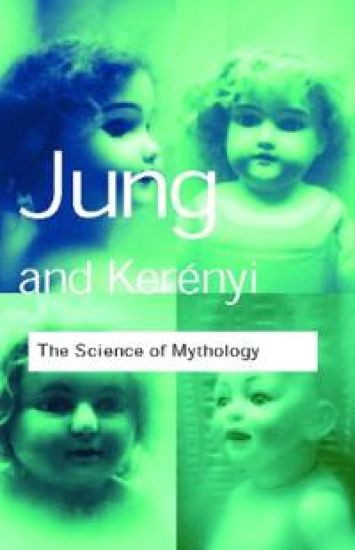
The Science of Mythology

The Science of Mythology

C. G. Jung; C. Kerenyi

Routledge
2001
nidottu
When Carl Jung and Carl Kerenyi got together to collaborate on this book, their aim was to elevate the study of mythology to a science. Kerenyi wrote on two of the most ubiquitous myths, the Divine Child and The Maiden, supporting the core 'stories' with both an introduction and a conclusion. Jung then provided a psychological analysis of both myths. He defined myth as a story about heroes interacting with the gods. Having long studied dreams and the subconscious, Jung identified certain dream patterns common to everyone. These 'archetypes' have developed through the centuries, and enable modern people to react to situations in much the same way as our ancestors. From nuclear annihilation to AIDS and Ebola, we continue to engage the gods in battle. Science of Mythology provides an account of the meaning and the purpose of mythic themes that is linked to modern life: the heroic battles between good and evil of yore are still played out, reflected in contemporary fears.
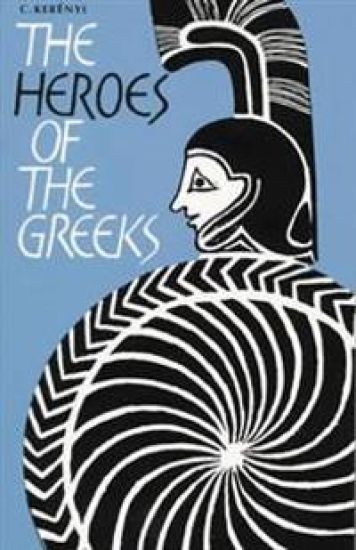
The Heroes of the Greeks

The Heroes of the Greeks

C. Kerényi

Thames Hudson Ltd
1978
nidottu
The heroes of Greek mythology - Achilles, Orpheus, Herakles, Oedipus and others - preoccupied the minds of the ancient Greeks no less than the gods themselves. This study uses original sources, archaeological findings and psychological insight to provide an account of the lives of these mythical figures. The narrative is complemented by illustrations from vase paintings and genealogical tables of celebrated and lesser-known mythicl figures.
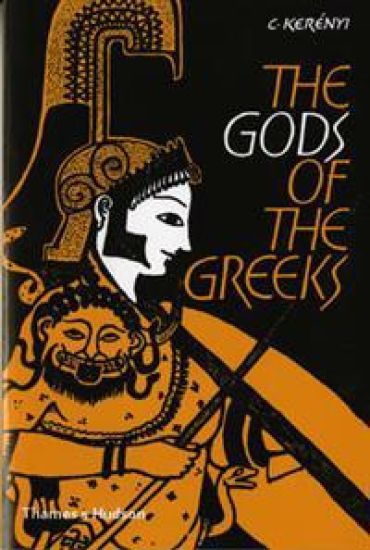
The Gods of the Greeks

The Gods of the Greeks

C. Kerényi

Thames Hudson Ltd
1974
nidottu
After a brief introduction, the complex genealogies of the gods lead him from the begettings of the Titans and from Aphrodite under all her titles and aspects, to Apollo, Hermes and the reign of Zeus, touching upon the Affairs of Pan, nymphs, satyrs, cosmogonies and the birth of mankind, until he reaches the ineffable mystery of Dionysos. The lively and highly readable narrative is complemented by an appendix of detailed references to all the original texts and a fine selection of illustrations taken from vase paintings.
Essays on a Science of Mythology

Essays on a Science of Mythology

C. G. Jung; C. Kerenyi

Princeton University Press
1969
pokkari
Essays on a Science of Mythology is a cooperative work between C. Kerenyi, who has been called "the most psychological of mythologists," and C. G. Jung, who has been called "the most mythological of psychologists." Kerenyi contributes an essay on the Divine Child and one on the Kore (the Maiden), together with a substantial introduction and conclusion. Jung contributes a psychological commentary on each essay. Both men hoped, through their collaboration, to elevate the study of mythology to the status of a science. In "The Primordial Child in Primordial Times" Kerenyi treats the child-God as an enduring and significant figure in Greek, Norse, Finnish, Etruscan, and Judeo-Christian mythology. He discusses the Kore as Athena, Artemis, Hecate, and Demeter-Persephone, the mother-daughter of the Eleusinian mysteries. Jung speaks of the Divine Child and the Maiden as living psychological realities that provide continuing meaning in people's lives. The investigations of C. Kerenyi are continued in a later study, Eleusis: Archetypal Image of Mother and Daughter (Princeton).