Kirjojen hintavertailu – 12 903 724 kirjaa ja 27 kauppaa

Kirjailija

C. Michael Hall

Kirjat ja teokset yhdessä paikassa: 44 kirjaa, julkaisuja vuosilta 2000–2023, suosituimpiin kuuluu Nordic Tourism. Vertaile teosten hintoja ja tarkista saatavuus suomalaisista kirjakaupoista.

Nimi esiintyy myös muodoissa: C Michael Hall

44 kirjaa

Kirjojen julkaisuvuodet: 2000–2023.

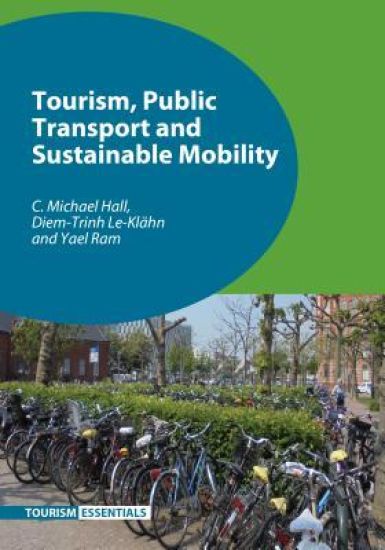
Tourism, Public Transport and Sustainable Mobility

Tourism, Public Transport and Sustainable Mobility

C. Michael Hall; Diem-Trinh Le-Klähn; Yael Ram

Channel View Publications
2017
sidottu
This book offers a comprehensive global examination of the relationship between public transport and tourism as well as exploring other sustainable transport modes. It offers a unique view by analysing tourism through the public transport lens and vice versa. The volume provides an account of how the public transport experience can be improved for tourists so that its value can be maximised and a greater number of people can be encouraged to shift modes. It features a wide range of case studies and examples showing how the tourism industry, as well as regional economies, communities and the environment, benefit when public transport is widely used by tourists. The book will be of interest to researchers and students in the fields of tourism and transport as well as destination marketing organisations and tourism, transport and urban planners.
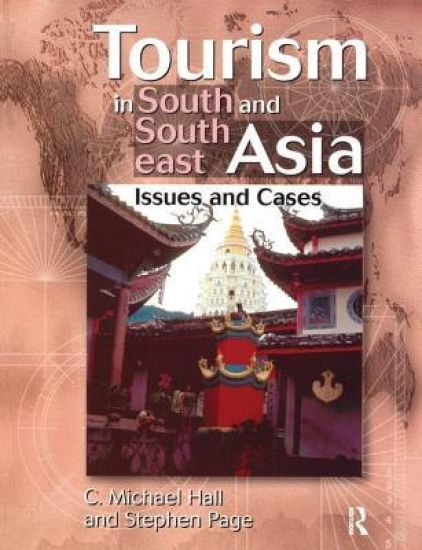
Tourism in South and Southeast Asia

Tourism in South and Southeast Asia

C. Michael Hall; Stephen Page

Routledge
2016
sidottu
'Tourism in South and South East Asia' is a comprehensive and solid introduction to tourism in South and South East Asia with a specific appeal both to institutions in the region, and other institutions who wish to expose students to one of the most dynamic tourism regions in the world. Despite downturns in outbound tourism (due to the current economic crisis), inbound tourism from outside the region has continued to increase with governments placing more emphasis on the economic significance of tourism than ever. 'Tourism in South and South East Asia' is the first tourism book to deal comprehensively with the implications of the Asian economic crisis for tourism. With South and South East Asia set to be the fastest growing area of tourism activity in the world well into the next century, 'Tourism in South and South East Asia' is an essential text for students both within and outside of this region. Dealing with concepts, themes and issues which are pertinent to tourism development, planning, marketing and management; these two internationally known authors have produced an authoritative text that covers all aspects of this topic through the use of illustrative and relevant case studies.
Contemporary Tourism

Contemporary Tourism

Chris Cooper; C. Michael Hall

Routledge
2015
sidottu
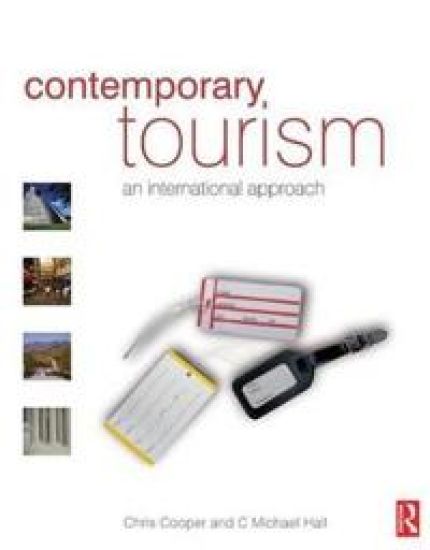
The study of tourism and indeed the tourism industry is changing constantly. Contemporary Tourism: an international approach presents a new and refreshing approach to the study of tourism, considering issues such as the changing world order, destination marketing, tourism ethics and pro-poor tourism. In particular, it highlights the ongoing threats from terrorism and health scares faced by the tourism industry today, and discusses the related security and risk management strategies, illustrating the potential implications for the patterns and flow of tourism in the future. Divided into five sections, each chapter has a thorough learning structure including chapter objectives, examples, discussion points, self review questions, checklists and case studies. Cases will be both thematic and destination-based and always international. They will be used to emphasise the relationship between general principles and the practice of tourism looking at areas such as business and special interest tourism and the role of technology. The five sections will cover: Contemporary Tourism Systems; The Contemporary Tourist; The Contemporary Tourist Destination; Tourism Futures; Teaching and Studying Contemporary Tourism. The text will also provide an annotated, authoritative and thorough set of resources to guide the reader through the topic area including online resource sites for both students and lecturers.
Wine Marketing

Wine Marketing

C. Michael Hall; Richard Mitchell

Routledge
2015
sidottu
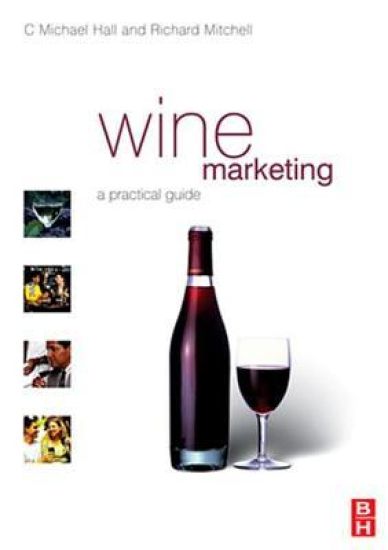
Whilst Wine Marketing: a practical guide also looks at theory and existing research, the main focus of this book is on the practicalities of wine marketing. Each chapter includes the following invaluable features:* 'How to' and 'how not to' case studies based on international examples* A guide to further reading and websites* 'Issues to consider when marketing' section as a means of self-evaluation'Wine Marketing' systematically outlines the major issues involved in the production and marketing of wine. Its accessible and clear-sighted approach makes it an invaluable guide for everyone in the field.
Tourism and Water

Tourism and Water

Stefan Gössling; C. Michael Hall; Daniel Scott

Channel View Publications
2015
sidottu
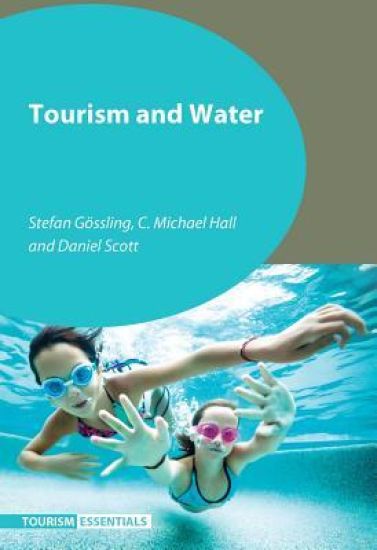
This book provides a systematic and comprehensive guide to the current state of knowledge on tourism and water. It is the first book to thoroughly examine the interrelationships of tourism and water use based on global, regional and business perspectives. Its assessment of tourism’s global impact along with its overviews of sectoral and management approaches will provide a benchmark by which the water sustainability of tourism will be measured for years to come. In making a clear case for greater awareness and enhanced water management in the tourism sector, it is hoped that the book will contribute to the wise and sustainable use of this critical resource. The book is interdisciplinary in coverage and international in scope. It is designed as essential reading for not only students of tourism but also practitioners.
Tourism and Water

Tourism and Water

Stefan Gössling; C. Michael Hall; Daniel Scott

Channel View Publications
2015
nidottu
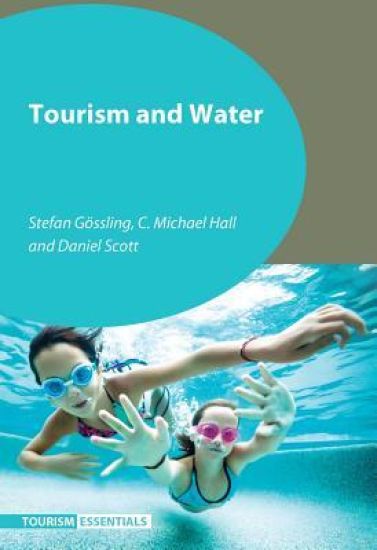
This book provides a systematic and comprehensive guide to the current state of knowledge on tourism and water. It is the first book to thoroughly examine the interrelationships of tourism and water use based on global, regional and business perspectives. Its assessment of tourism’s global impact along with its overviews of sectoral and management approaches will provide a benchmark by which the water sustainability of tourism will be measured for years to come. In making a clear case for greater awareness and enhanced water management in the tourism sector, it is hoped that the book will contribute to the wise and sustainable use of this critical resource. The book is interdisciplinary in coverage and international in scope. It is designed as essential reading for not only students of tourism but also practitioners.
The Geography of Tourism and Recreation

The Geography of Tourism and Recreation

C. Michael Hall; Stephen J. Page

Routledge
2014
sidottu
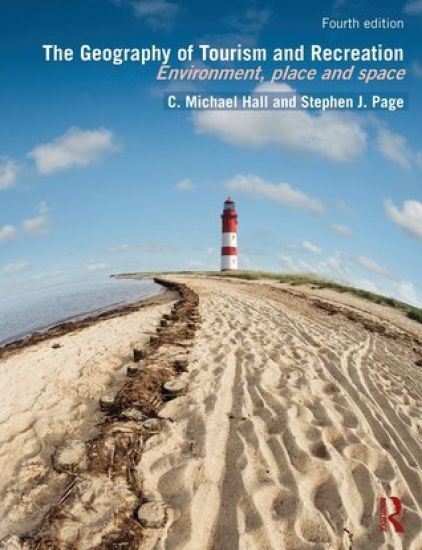
This fourth edition of The Geography of Tourism and Recreation provides students with a comprehensive introduction to the interrelationship between tourism, leisure and recreation from geographical and social science perspectives. It still remains the only book to systematically compare and contrast in a spatial context, tourism and recreation in relation to leisure time, offering insight into the demand, supply, planning, destination management and impacts of tourism and recreation. Whilst retaining its accessible style and approach this edition has been significantly updated to reflect recent developments and new concepts from geography which are beginning to permeate the tourism and recreational field. New features include:Content on the most recent developments, climate change, sustainability, mobilities and crisis management in time and space as well as trends such as low cost airlines and the control of land transport by transnational operators in the EU such as Arriva. More attention to management issues such as innovation and the spatial consequences for tourism and leisure development. New case studies and examples to showcase real life issues, from both developed and developing countries, especially the US, China and South Africa. Completely revised and redeveloped to accommodate new, user- friendly features: case studies, insights, summary points and learning objectives. Written by leading academics, this is essential reading for all tourism, geography, leisure and recreation students.
The Geography of Tourism and Recreation

The Geography of Tourism and Recreation

C. Michael Hall; Stephen J. Page

Routledge
2014
nidottu
This fourth edition of The Geography of Tourism and Recreation provides students with a comprehensive introduction to the interrelationship between tourism, leisure and recreation from geographical and social science perspectives. It still remains the only book to systematically compare and contrast in a spatial context, tourism and recreation in relation to leisure time, offering insight into the demand, supply, planning, destination management and impacts of tourism and recreation. Whilst retaining its accessible style and approach this edition has been significantly updated to reflect recent developments and new concepts from geography which are beginning to permeate the tourism and recreational field. New features include:Content on the most recent developments, climate change, sustainability, mobilities and crisis management in time and space as well as trends such as low cost airlines and the control of land transport by transnational operators in the EU such as Arriva. More attention to management issues such as innovation and the spatial consequences for tourism and leisure development. New case studies and examples to showcase real life issues, from both developed and developing countries, especially the US, China and South Africa. Completely revised and redeveloped to accommodate new, user- friendly features: case studies, insights, summary points and learning objectives. Written by leading academics, this is essential reading for all tourism, geography, leisure and recreation students.
Tourism and Social Marketing

Tourism and Social Marketing

C. Michael Hall

Routledge
2014
sidottu
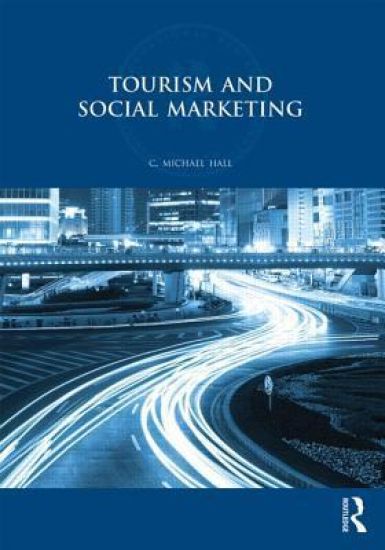
Social Marketing is the utilisation of marketing principles and methods to encourage individual and organisational behaviour change for the public good. Traditionally the domain of government it is increasingly also utilised by non-government and non-profit organisations and other institutions of civil society as a non-regulatory means to achieve policy and public good goals. At a time when concerns over tourism's contribution to undesirable environmental, economic and social change is greater than ever, social marketing strategies are important for encouraging more appropriate and desirable behaviours by tourists and the tourism industry. Tourism and Social Marketing is the first book to comprehensively detail the relevance of social marketing principles and practice to tourism, destination management and marketing. By considering this relationship and application of social marketing approaches to key issues facing contemporary tourism development, such as the environment, this book provides significant insights into how the behaviours of visitors and businesses may be changed so as to develop more sustainable forms of tourism and improve the quality of life of destination communities. It further provides a powerful impetus to the development of tourism related forms of sustainable consumption and the promotion of ethical tourism and marketing. This innovative book is comprehensive in scope by considering a variety of relevant fields relevant to tourism and social marketing practice including, health, non - profit organisations, governance, the politics of marketing and consumption, consumer advocacy and environmental and sustainable marketing. It integrates selected international cases studies to help tourism students engage with the broader debates in social marketing, governance and the politics of behaviour change and shows the relationship of theory to practice. Written by a leading authority in the field, topical and integrative, this book will be valuable reading for students, scholars and researchers in tourism.
Tourism and Social Marketing

Tourism and Social Marketing

C. Michael Hall

Routledge
2014
nidottu
Social Marketing is the utilisation of marketing principles and methods to encourage individual and organisational behaviour change for the public good. Traditionally the domain of government it is increasingly also utilised by non-government and non-profit organisations and other institutions of civil society as a non-regulatory means to achieve policy and public good goals. At a time when concerns over tourism's contribution to undesirable environmental, economic and social change is greater than ever, social marketing strategies are important for encouraging more appropriate and desirable behaviours by tourists and the tourism industry. Tourism and Social Marketing is the first book to comprehensively detail the relevance of social marketing principles and practice to tourism, destination management and marketing. By considering this relationship and application of social marketing approaches to key issues facing contemporary tourism development, such as the environment, this book provides significant insights into how the behaviours of visitors and businesses may be changed so as to develop more sustainable forms of tourism and improve the quality of life of destination communities. It further provides a powerful impetus to the development of tourism related forms of sustainable consumption and the promotion of ethical tourism and marketing. This innovative book is comprehensive in scope by considering a variety of relevant fields relevant to tourism and social marketing practice including, health, non - profit organisations, governance, the politics of marketing and consumption, consumer advocacy and environmental and sustainable marketing. It integrates selected international cases studies to help tourism students engage with the broader debates in social marketing, governance and the politics of behaviour change and shows the relationship of theory to practice. Written by a leading authority in the field, topical and integrative, this book will be valuable reading for students, scholars and researchers in tourism.
Tourism and Climate Change

Tourism and Climate Change

Daniel Scott; C. Michael Hall; Gossling Stefan

Routledge
2012
sidottu
Climate change is the single most important global environmental and development issue facing the world today and has emerged as a major topic in tourism studies. Climate change is already affecting the tourism industry and is anticipated to have profound implications for tourism in the twenty-first century, including consumer holiday choices, the geographic patterns of tourism demand, the competitiveness and sustainability of destinations and the contribution of tourism to international development. Tourism and Climate Change: Impacts, Adaptation and Mitigation is the first book to provide a comprehensive overview of the theory and practice of climate change and tourism at the tourist, enterprise, destination and global scales. Major themes include the implications of climate change and climate policy for tourism sectors and destinations around the world, tourist perceptions of climate change impacts, tourism’s global contribution to climate change, adaptation and mitigation responses by all major tourism stakeholders, and the integral links between climate change and sustainable tourism. It combines a thorough scientific assessment of the climate-tourism interrelationships with discussion of emerging mitigation and adaptation practice, showcasing international examples throughout the tourism sector as well as actions by other sectors that will have important implications for tourism. Written by three leading academics in this field, this critical contribution highlights the challenges of climate change within the tourism community and provides a foundation for decision making for both reducing the risks, and taking advantage of the opportunities, associated with climate change. This comprehensive discussion of the complexities of climate change and tourism is essential reading for students, academics, business leaders and government policy makers.
Tourism and Climate Change

Tourism and Climate Change

Daniel Scott; C. Michael Hall; Gossling Stefan

Routledge
2012
nidottu
Climate change is the single most important global environmental and development issue facing the world today and has emerged as a major topic in tourism studies. Climate change is already affecting the tourism industry and is anticipated to have profound implications for tourism in the twenty-first century, including consumer holiday choices, the geographic patterns of tourism demand, the competitiveness and sustainability of destinations and the contribution of tourism to international development. Tourism and Climate Change: Impacts, Adaptation and Mitigation is the first book to provide a comprehensive overview of the theory and practice of climate change and tourism at the tourist, enterprise, destination and global scales. Major themes include the implications of climate change and climate policy for tourism sectors and destinations around the world, tourist perceptions of climate change impacts, tourism’s global contribution to climate change, adaptation and mitigation responses by all major tourism stakeholders, and the integral links between climate change and sustainable tourism. It combines a thorough scientific assessment of the climate-tourism interrelationships with discussion of emerging mitigation and adaptation practice, showcasing international examples throughout the tourism sector as well as actions by other sectors that will have important implications for tourism. Written by three leading academics in this field, this critical contribution highlights the challenges of climate change within the tourism community and provides a foundation for decision making for both reducing the risks, and taking advantage of the opportunities, associated with climate change. This comprehensive discussion of the complexities of climate change and tourism is essential reading for students, academics, business leaders and government policy makers.
Understanding and Managing Tourism Impacts

Understanding and Managing Tourism Impacts

C. Michael Hall; Alan A. Lew

Routledge
2009
sidottu
As one of the world’s largest industries, tourism carries with it significant social, environmental, economic and political impacts. Although tourism can provide significant economic benefits for some destinations, the image of tourism as a benign and environmentally friendly industry has often been challenged. There is a clear and growing body of evidence that suggests that the effects of tourism development are far more complex than policy-makers usually suggest and that the impacts of tourism occur not just at the destination but at all stages of a tourist’s trip. Furthermore, tourism does not exist in a vacuum. Broader social and environmental changes also shape the form, growth and experience of tourism development. This text provides a clear, accessible and up-to-date synthesis of tourism’s role in our contemporary world, both as an agent of change, and as a response to it. Tourism-related change is approached from a framework that illustrates the changing environments in which they occur, including the spatial scale of such impacts and the effects of these impacts over time. This framework is then applied to the economic, socio-cultural and physical dimensions of tourism. After examining the different forms of tourism-related impacts, the book then discusses the role of planning as part of an integrated approach to the mitigation of undesirable impacts and the maximization of the desirable benefits of tourism development. Case studies and illustrations from a variety of locations from around the world are used throughout the book to exemplify key themes and issues; additionally figures and tables serve to elucidate statistical data. Understanding and Managing Tourism Impacts illustrates that when well managed tourism can make a positive contribution to destinations. The books use of issues of scale, time and form to illustrate the effects of tourism provide an accessible and significant reminder that tourism’s impacts vary over time and space, affects both the visitor and the host community, and can be unpredictable in its consequences. Chapter objectives, recommended readings, and links to web-based material help students, practitioners and researchers to grasp the broader implications of tourism development in today's world. With tourism increasingly being implicated as a factor in climate and environmental change, and with the benefits and costs of tourism as a form of economic development being examined more closely than ever, this book provides a timely contribution to help clarify the potentials and pitfalls of contemporary tourism.
Understanding and Managing Tourism Impacts

Understanding and Managing Tourism Impacts

C. Michael Hall; Alan A. Lew

Routledge
2009
nidottu
As one of the world’s largest industries, tourism carries with it significant social, environmental, economic and political impacts. Although tourism can provide significant economic benefits for some destinations, the image of tourism as a benign and environmentally friendly industry has often been challenged. There is a clear and growing body of evidence that suggests that the effects of tourism development are far more complex than policy-makers usually suggest and that the impacts of tourism occur not just at the destination but at all stages of a tourist’s trip. Furthermore, tourism does not exist in a vacuum. Broader social and environmental changes also shape the form, growth and experience of tourism development. This text provides a clear, accessible and up-to-date synthesis of tourism’s role in our contemporary world, both as an agent of change, and as a response to it. Tourism-related change is approached from a framework that illustrates the changing environments in which they occur, including the spatial scale of such impacts and the effects of these impacts over time. This framework is then applied to the economic, socio-cultural and physical dimensions of tourism. After examining the different forms of tourism-related impacts, the book then discusses the role of planning as part of an integrated approach to the mitigation of undesirable impacts and the maximization of the desirable benefits of tourism development. Case studies and illustrations from a variety of locations from around the world are used throughout the book to exemplify key themes and issues; additionally figures and tables serve to elucidate statistical data. Understanding and Managing Tourism Impacts illustrates that when well managed tourism can make a positive contribution to destinations. The books use of issues of scale, time and form to illustrate the effects of tourism provide an accessible and significant reminder that tourism’s impacts vary over time and space, affects both the visitor and the host community, and can be unpredictable in its consequences. Chapter objectives, recommended readings, and links to web-based material help students, practitioners and researchers to grasp the broader implications of tourism development in today's world. With tourism increasingly being implicated as a factor in climate and environmental change, and with the benefits and costs of tourism as a form of economic development being examined more closely than ever, this book provides a timely contribution to help clarify the potentials and pitfalls of contemporary tourism.
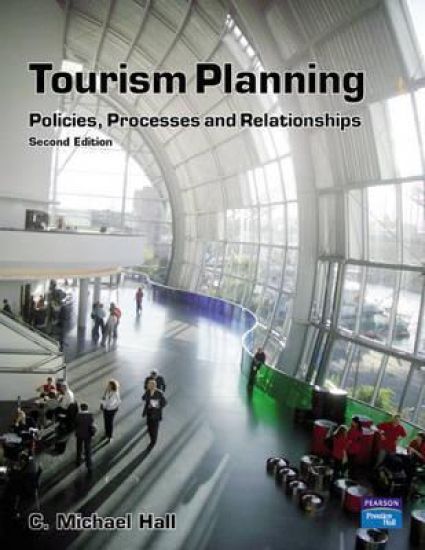
Tourism Planning

Tourism Planning

C. Michael Hall

Pearson
2007
nidottu
The new edition of this text is positioned - through its broad coverage, accessible style and presentation, and practical application - as the core learning resource for students of tourism planning. With an increased applied focus, a wider range of international case studies and examples, and two new chapters highlighting sustainability as a core tourism concern in the world today, the new edition will appeal across the spectrum of tourism students and practitioners from business and management and the social sciences. Tourism and Planning is an essential text for students on travel and tourism degrees and will be of key interest to students and practitioners in related fields including management, marketing, geography, development studies and regional planning.
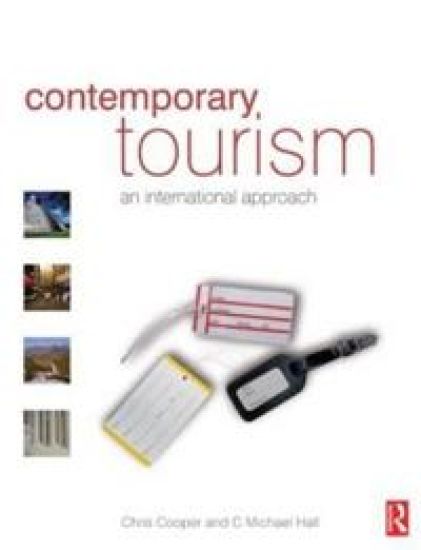
Contemporary Tourism

Contemporary Tourism

Chris Cooper; C. Michael Hall

Butterworth-Heinemann Ltd
2007
nidottu
The study of tourism and indeed the tourism industry is changing constantly. Contemporary Tourism: an international approach presents a new and refreshing approach to the study of tourism, considering issues such as the changing world order, destination marketing, tourism ethics and pro-poor tourism. In particular, it highlights the ongoing threats from terrorism and health scares faced by the tourism industry today, and discusses the related security and risk management strategies, illustrating the potential implications for the patterns and flow of tourism in the future. Divided into five sections, each chapter has a thorough learning structure including chapter objectives, examples, discussion points, self review questions, checklists and case studies. Cases will be both thematic and destination-based and always international. They will be used to emphasise the relationship between general principles and the practice of tourism looking at areas such as business and special interest tourism and the role of technology. The five sections will cover: Contemporary Tourism Systems; The Contemporary Tourist; The Contemporary Tourist Destination; Tourism Futures; Teaching and Studying Contemporary Tourism. The text will also provide an annotated, authoritative and thorough set of resources to guide the reader through the topic area including online resource sites for both students and lecturers.
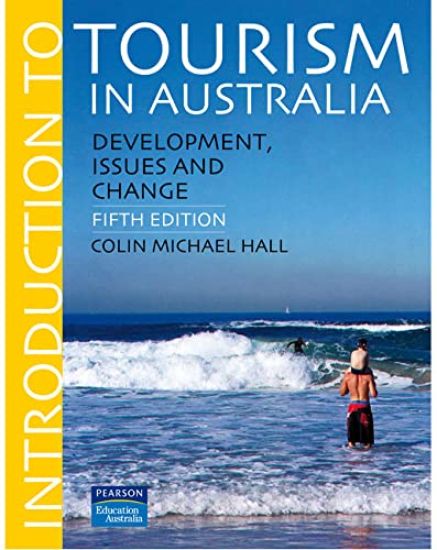
Introduction to Tourism in Australia

Introduction to Tourism in Australia

C. Michael Hall

PEARSON EDUCATION LIMITED
2007
pokkari
Introduction to Tourism Development, issues and change, 5th edition The fifth edition of Introduction to Tourism: Development, issues and change continues to draw together many of the contemporary issues and themes in Australian and international tourism in a manner that is easy to understand and useful to students of tourism, hospitality, leisure, recreation, geography, environmental studies and resource management. The book has been substantially revised to incorporate the events, developments and literature of recent years. It contains references to Tourism Australia's advertising campaign 'So where the bloody hell are you?', environmental change, the battle for the trans-Pacific route, concepts of mobility and their application to tourism, and travel forecasts. The text offers comprehensive coverage of Australasian themes and integrates current international material. It includes discussion of major current issues facing tourism with respect to marketing, environmental change, increasing oil prices, political crises and the development of regional Australia. There are rich references to other texts and literature. Internet addresses for tourism resources are provided, making it easier for students to access the most recent statistical and policy information from relevant tourism organisations. The text is student-friendly and uses examples that regional students will be familiar with. The text is connected to relevant web-based case studies and readings. About the authorC. Michael Hall is Professor in Marketing in the Department of Management, University of Canterbury, Christchurch and Docent in the Department of Geography, University of Oulu, Finland. He is also co-editor of the journal Current Issues in Tourism. Originally from Western Australia, Michael is an internationally recognised author who has researched and published extensively over a wide number of Australian and international tourism issues.
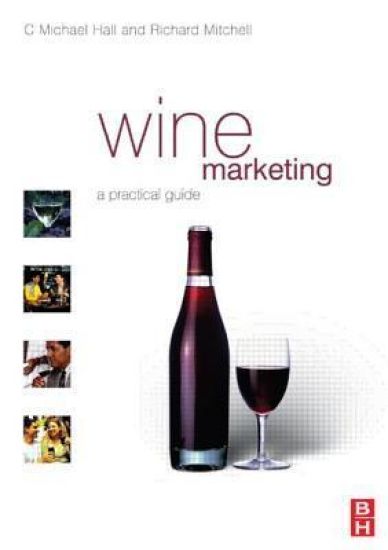
Wine Marketing

Wine Marketing

C. Michael Hall; Richard Mitchell

Butterworth-Heinemann Ltd
2007
nidottu
Whilst Wine Marketing: a practical guide also looks at theory and existing research, the main focus of this book is on the practicalities of wine marketing. Each chapter includes the following invaluable features:* 'How to' and 'how not to' case studies based on international examples* A guide to further reading and websites* 'Issues to consider when marketing' section as a means of self-evaluation'Wine Marketing' systematically outlines the major issues involved in the production and marketing of wine. Its accessible and clear-sighted approach makes it an invaluable guide for everyone in the field.
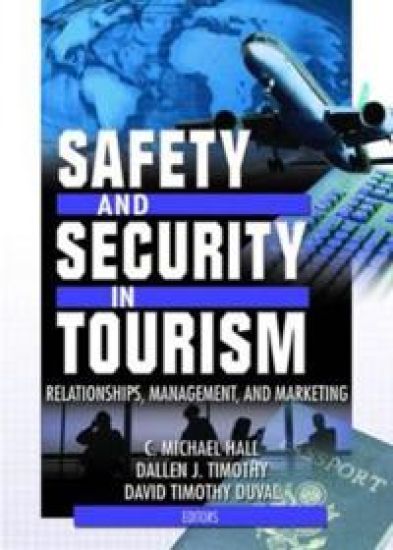
Safety and Security in Tourism

Safety and Security in Tourism

C Michael Hall; Dallen J. Timothy; David Timothy Duval

Routledge Member of the Taylor and Francis Group
2004
sidottu
How will the travel and tourism industry respond to the terrorist attacks on America? The recent terrorist attacks in the United States and their repercussions for the travel and leisure industries have focused more attention on tourism safety and security issues than ever before. The impact on tourism destinations and businesses, as well as on traveler behavior, will be significant. Recent events require further analysis not only of how travel safety may be improved but also how security issues may be seen in terms of tourism marketing and management so that the industry is able to better respond to such challenges. In this, an era of turbulent global relationships, the need for destination marketing organizations to demonstrate that they are safe for tourists has become increasingly important. Negative publicity, often unrelated to on-the-ground reality, may also serve to affect tourist perceptions. Safety and Security in Tourism: Relationships, Management, and Marketing examines: the effects of the September 11, 2001 attacks on the tourism industry and how the industry is responding the importance of safety as a factor in destination or activity choice case studies of destination and business responses to past political instability and/or attacks against tourists safety, security and destination image the role of the media in influencing consumer perceptions of travel safety consumer awareness of travel advisories and their influence on behavior the role of insurance in the travel industry consumer awareness and acceptance of security measures in travel and tourism safety and security as a component in destination marketing crisis and risk management in the tourism industry cross-border security and visa controls and their implications for tourism safety and security measures for tourists in different sectors and in airportsTourism has often been cited as a force for peace, yet tourism is typically one of the first industrial casualties of war and political unrest. This book examines tourism safety and security issues to give you a better knowledge base from which to respond to future events.
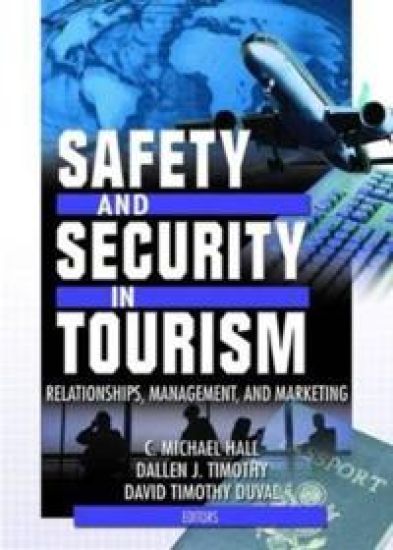
Safety and Security in Tourism

Safety and Security in Tourism

C Michael Hall; Dallen J. Timothy; David Timothy Duval

Routledge Member of the Taylor and Francis Group
2004
nidottu
How will the travel and tourism industry respond to the terrorist attacks on America? The recent terrorist attacks in the United States and their repercussions for the travel and leisure industries have focused more attention on tourism safety and security issues than ever before. The impact on tourism destinations and businesses, as well as on traveler behavior, will be significant. Recent events require further analysis not only of how travel safety may be improved but also how security issues may be seen in terms of tourism marketing and management so that the industry is able to better respond to such challenges. In this, an era of turbulent global relationships, the need for destination marketing organizations to demonstrate that they are safe for tourists has become increasingly important. Negative publicity, often unrelated to on-the-ground reality, may also serve to affect tourist perceptions. Safety and Security in Tourism: Relationships, Management, and Marketing examines: the effects of the September 11, 2001 attacks on the tourism industry and how the industry is responding the importance of safety as a factor in destination or activity choice case studies of destination and business responses to past political instability and/or attacks against tourists safety, security and destination image the role of the media in influencing consumer perceptions of travel safety consumer awareness of travel advisories and their influence on behavior the role of insurance in the travel industry consumer awareness and acceptance of security measures in travel and tourism safety and security as a component in destination marketing crisis and risk management in the tourism industry cross-border security and visa controls and their implications for tourism safety and security measures for tourists in different sectors and in airportsTourism has often been cited as a force for peace, yet tourism is typically one of the first industrial casualties of war and political unrest. This book examines tourism safety and security issues to give you a better knowledge base from which to respond to future events.