
Kirjailija
Callimachus
Kirjat ja teokset yhdessä paikassa: 18 kirjaa, julkaisuja vuosilta 1984–2018, suosituimpiin kuuluu Hymn to Delos. Vertaile teosten hintoja ja tarkista saatavuus suomalaisista kirjakaupoista.
18 kirjaa
Kirjojen julkaisuvuodet: 1984–2018.
Callimachi Hymni Et Epigrammata
Callimachus
Createspace Independent Publishing Platform
2015
nidottu
The Works Of Callimachus, Translated Into English Verse
Callimachus
KESSINGER PUBLISHING, LLC
2010
sidottu
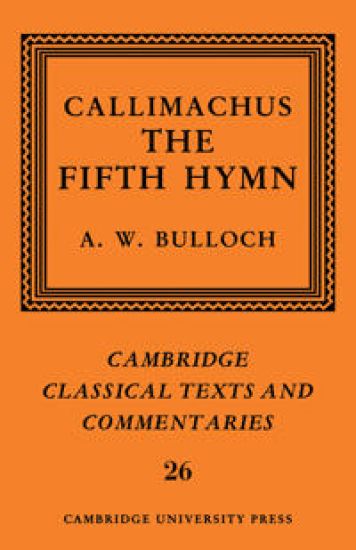
Callimachus was one of the most important and influential writers in the ancient world. He was the outstanding poet of the Hellenistic period and had a profound effect on the subsequent course of Greek and Roman literature. The hymns are intricate, allusive and difficult poetry, and need elucidation for the modern reader. 'The Fifth Hymn: The Bath of Pallas', is considered by many to be Callimachus' finest surviving poem. Anthony Bulloch has established a new text of the poem, which is printed here with facing English translation. The substantial introduction and full commentary aim to introduce the poem to a wide audience and to help the modern reader to reconstruct what the ancient reader may have taken for granted as part of the crucial and intellectual background and to achieve an informed and sensitive appreciation of the poem in its full perspective. This will be welcomed by Greek scholars and those interested in Greek and Roman poetry.
Hymnes De Callimaque (1775)
Callimachus; Francois Jean De La Porte Du Theil
KESSINGER PUBLISHING, LLC
2009
pokkari
Callimachi Hymni Et Epigrammata Maximam Partem
Callimachus; Nicodemus Frischlin; Johann Friedlieb Stubelius
Kessinger Pub
2009
pokkari
Works Of Callimachus, Translated Into English Verse
Callimachus
KESSINGER PUBLISHING CO
2009
pokkari
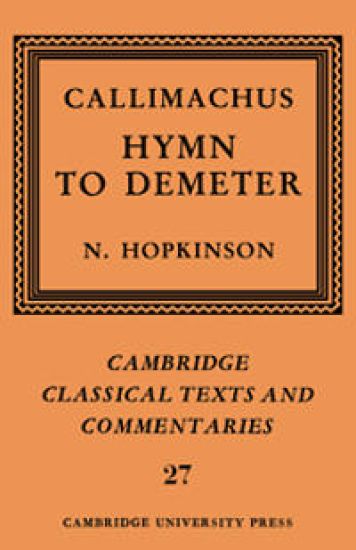
Callimachus was one of the most important and influential writers in the ancient world. He was the outstanding poet of the Hellenistic period, and had a profound effect on the subsequent course of Greek and Roman literature. The hymns are intricate, allusive and difficult poetry, and need elucidation for the modern reader. Dr Hopkinson has established a new text of Callimachus’ Sixth Hymn, The Hymn to Demeter, which is printed here with a facing English translation. In his thorough analysis of the poem it is the editor’s aim to show how Callimachus adapts and borrows from Homer and other early poetry to form a new type of poetic diction. The introduction has full discussions of the poem’s ritual setting, of its extraordinary inset narrative, and of Callimachus’ treatment of dialect and metre. The extensive commentary elucidates difficulties in the text and treats critical, linguistic and stylistic points with reference to the Latin and later Greek hexameter writers. This is the first full edition of and commentary on the work in English. It will be welcomed by Greek scholars and those interested in Greek and Roman poetry.
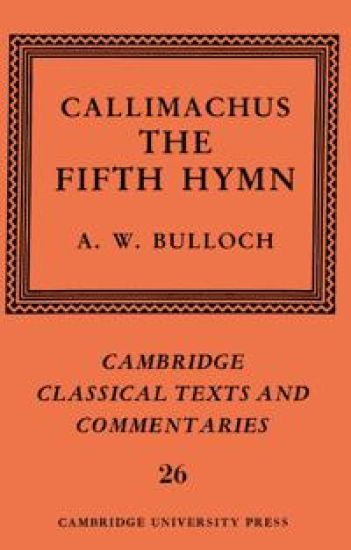
Callimachus was one of the most influential writers in the ancient world. The fifth hymn, "The Bath of Pallas", is considered by many to be Callimachus' finest surviving poem. Anthony Bulloch has established a new text of the poem, which is printed here with facing English translation.
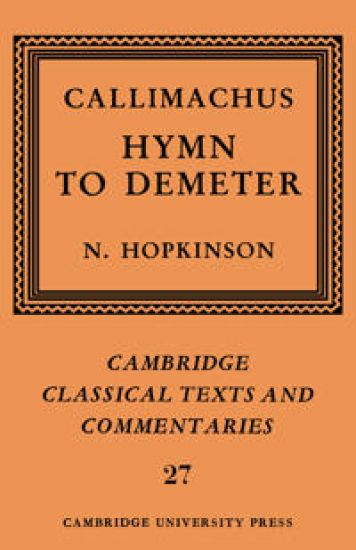
Callimachus was the outstanding poet of the Hellenistic period, and had a profound effect on the course of Greek and Roman literature. In his analysis of the poem it is the editor's aim to show how he adapts and borrows from Homer and other early poetry to form a new type of poetic diction.
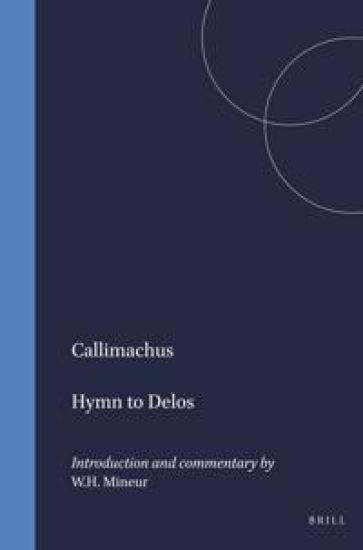
This is the first comprehensive commentary on Callimachus' Hymn to Delos, its immediate predecessor being Cahen's concise work of 1930. The Introduction proposes a new interpretation of the Hymn's purpose and background, and further discusses the date of its composition, its vocabulary, several of its stylistic aspects, and its metre and prosody. The Commentary, which follows Pfeiffer's text (Oxford 1953), presents parallels from relevant Greek poetry (mainly epic and tragic) to illustrate tradition and originality in Callimachus' style, offers some new interpretations and examines old ones, and indicates possible allusions to contemporary events in Egypt and elsewhere. Textual problems are treated where necessary and emendations are also occasionally proposed.