Kirjojen hintavertailu – 12 859 818 kirjaa ja 27 kauppaa

Kirjailija

Camilla Sandström

Kirjat ja teokset yhdessä paikassa: 4 kirjaa, julkaisuja vuosilta 2008–2021, suosituimpiin kuuluu Omstridd natur : trender och utmaningar i nordisk naturförvaltning. Vertaile teosten hintoja ja tarkista saatavuus suomalaisista kirjakaupoista.

Nimi esiintyy myös muodoissa: Camilla Sandstrom

4 kirjaa

Kirjojen julkaisuvuodet: 2008–2021.

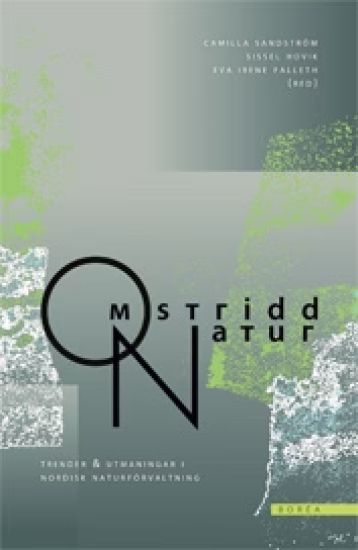
Omstridd natur : trender och utmaningar i nordisk naturförvaltning

Omstridd natur : trender och utmaningar i nordisk naturförvaltning

Tor Arnesen; Susanna Björkell; Lars Carlsson; Erland Eklund; Camilla Sandström; Eva Irene Falleth; Sissel Hovik; Arvid Holte; Anna Jonsson; E Carina H Keskitalo; Kaisa Raitio; Inger-Lise Saglie; Terje Skjeggedal; Marie Stenseke; Jan Åge Riseth; Anna Zachrisson

Borea Bokförlag
2008
nidottu
Naturförvaltning är ett område som vanligtvis styrts av staten. Idag pågår i Finland, Norge och Sverige försök att involvera lokala aktörer i beslut som rör skydd och nyttjande av olika naturresurser. Vilka är förutsättningarna för lokalt deltagande? Är det möjligt att förena kraven på naturskydd och nyttjande? Kan nationella demokratiska behov förenas med lokala rättigheter och brukarmedverkan? Fortfarande finns det en rad brister i de tre ländernas strategier. Att involvera lokala aktörer i förvaltningen av omstridda resurser har visserligen inneburit möjligheter att pröva nya institutionella lösningar. Samtidigt har en rad svårhanterliga och, än så länge, olösta problem synliggjorts. I boken Omstridd natur medverkar finska, norska och svenska forskare från olika discipliner. Redaktörerna Camilla Sandström är verksam vid Statsvetenskapliga institutionen Umeå universitet, Sissel Hovik, vid Norsk institutt for by- og regionforskning, Oslo, och Eva Irene Falleth, vid Norsk institutt for by- og regionforskning, Oslo och Universitetet for miljø- og biovitenskap, Ås.
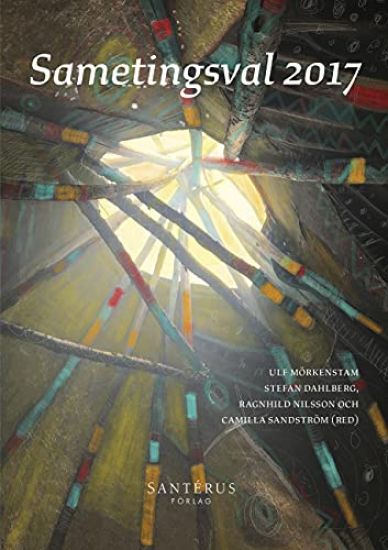
Sametingsval 2017

Sametingsval 2017

Ulf Mörkenstam; Stefan Dahlberg; Ragnhild Nilsson; Camilla Sandström; Johannes Bergh

Santérus Förlag
2021
nidottu
Vad betyder samiskt självbestämmande för den samiska väljarkåren? Mellan vilka partier rör sig väljarna? Var i Sverige ökar valdeltagandet? Dessa frågor och många andra diskuteras i denna bok, som presenterar resultaten från den andra väljarundersökning som genomförts i samband med val till Sametinget i Sverige. I fokus står frågor om kontinuitet och förändring mellan valen 2013 och 2017 i fråga om t. ex. valdeltagande, politiska skiljelinjer och väljarkårens förtroende för Sametinget. Boken tar också upp tre nya teman med utgångspunkt i väljarnas åsikter: samiskt självbestämmande, förvaltningen av naturresurser inom Sápmi samt valrörelserna.
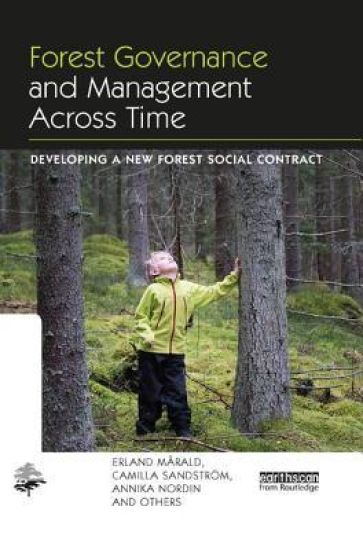
Forest Governance and Management Across Time

Forest Governance and Management Across Time

Erland Mårald; Camilla Sandstrom; Annika Nordin; and Others

Routledge
2019
nidottu
The influence of the past, and of the future on current-time tradeoffs in the forest arena are particularly relevant given the long-term successions in forest landscapes and the hundred years’ rotations in forestry. Historically established path dependencies and conflicts determine our present situation and delimit what is possible to achieve. Similarly, future trends and desires have a large influence on decision making. Nevertheless, decisions about forest governance and management are always made in the present – in the present-time appraisal of the developed situation, future alternatives and in negotiation between different perspectives, interests, and actors. This book explores historic and future outlooks as well as current tradeoffs and methods in forest governance and management. It emphasizes the generality and complexity with empirical data from Sweden and internationally. It first investigates, from a historical perspective, how previous forest policies and discourses have influenced current forest governance and management. Second, it considers methods to explore alternative forest futures and how the results from such investigations may influence the present. Third, it examines current methods of balancing tradeoffs in decision-making among ecosystem services. Based on the findings the authors develop an integrated approach – Reflexive Forestry – to support exchange of knowledge and understandings to enable capacity building and the establishment of common ground. Such societal agreements, or what the authors elaborate as forest social contracts, are sets of relational commitment between involved actors that may generate mutual action and a common directionality to meet contemporary challenges.
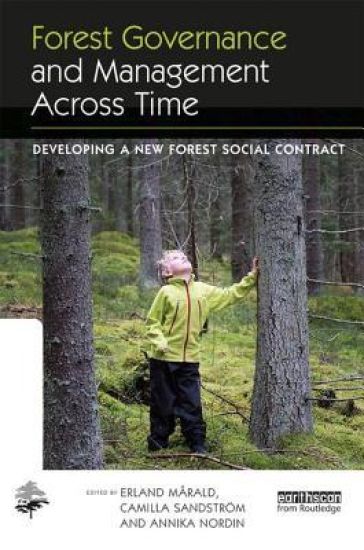
Forest Governance and Management Across Time

Forest Governance and Management Across Time

Erland Mårald; Camilla Sandstrom; Annika Nordin; and Others

Routledge
2017
sidottu
The influence of the past, and of the future on current-time tradeoffs in the forest arena are particularly relevant given the long-term successions in forest landscapes and the hundred years’ rotations in forestry. Historically established path dependencies and conflicts determine our present situation and delimit what is possible to achieve. Similarly, future trends and desires have a large influence on decision making. Nevertheless, decisions about forest governance and management are always made in the present – in the present-time appraisal of the developed situation, future alternatives and in negotiation between different perspectives, interests, and actors. This book explores historic and future outlooks as well as current tradeoffs and methods in forest governance and management. It emphasizes the generality and complexity with empirical data from Sweden and internationally. It first investigates, from a historical perspective, how previous forest policies and discourses have influenced current forest governance and management. Second, it considers methods to explore alternative forest futures and how the results from such investigations may influence the present. Third, it examines current methods of balancing tradeoffs in decision-making among ecosystem services. Based on the findings the authors develop an integrated approach – Reflexive Forestry – to support exchange of knowledge and understandings to enable capacity building and the establishment of common ground. Such societal agreements, or what the authors elaborate as forest social contracts, are sets of relational commitment between involved actors that may generate mutual action and a common directionality to meet contemporary challenges.