Kirjailija
Camilla Townsend
Kirjat ja teokset yhdessä paikassa: 15 kirjaa, julkaisuja vuosilta 2000–2024, suosituimpiin kuuluu On the Turtle's Back. Vertaile teosten hintoja ja tarkista saatavuus suomalaisista kirjakaupoista.
15 kirjaa
Kirjojen julkaisuvuodet: 2000–2024.
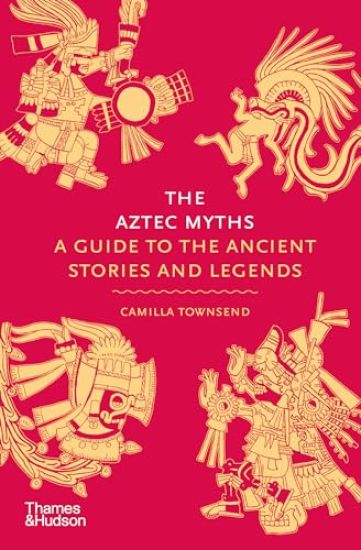
The essential guide to the world of Aztec mythology, based on Nahuatl-language sources that challenge the colonial history passed down to us by the Spanish. How did the jaguar get his spots? What happened to the four suns that came before our own? Where was Aztlan, mythical homeland of the Aztecs? For decades, the popular image of the Mexica people – better known today as the Aztecs – has been defined by the Spaniards who conquered them. Their salacious stories of pet snakes, human sacrifice and towering skull racks have masked a complex world of religious belief. To reveal the rich mythic tapestry of the Aztecs, Camilla Townsend returns to the original tales, told at the fireside by generations of Indigenous Nahuatl-speakers. Through their voices we learn the contested histories of the Mexica and their neighbours in the Valley of Mexico – the foundations of great cities, the making and breaking of political alliances, the meddling of sometimes bloodthirsty gods – and understand more clearly how they saw their world and their place in it. The divine principle of Ipalnemoani connected humans with all of nature and spiritual beliefs were woven through the fabric of Aztec life, from the sacred ministrations of the ticitl, midwives whose rituals saw women through childbirth, to the inevitable passage to Mictlan, ‘our place of disappearing together’ – the land of the dead.
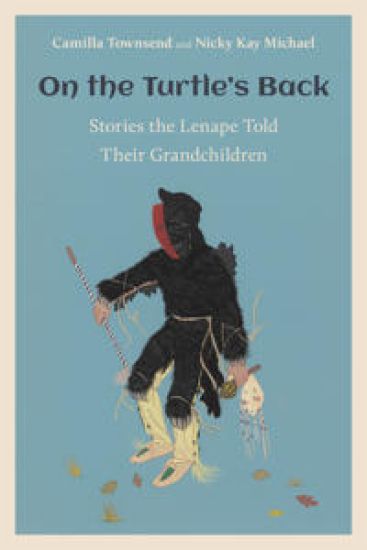
The Lenape tribe, also known as the Delaware Nation, lived for centuries on the land that English colonists later called New Jersey. But once America gained its independence, they were forced to move further west: to Indiana, then Missouri, and finally to the territory that became Oklahoma. These reluctant migrants were not able to carry much from their ancestral homeland, but they managed to preserve the stories that had been passed down for generations. On the Turtle’s Back is the first collection of Lenape folklore, originally compiled by anthropologist M. R. Harrington over a century ago but never published until now. In it, the Delaware share their cherished tales about the world’s creation, epic heroes, and ordinary human foibles. It features stories told to Harrington by two Lenape couples, Julius and Minnie Fouts and Charles and Susan Elkhair, who sought to officially record their legends before their language and cultural traditions died out. More recent interviews with Lenape elders are also included, as their reflections on hearing these stories as children speak to the status of the tribe and its culture today. Together, they welcome you into their rich and wondrous imaginative world.
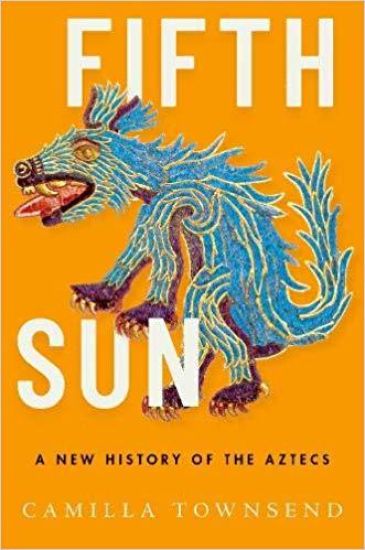
In November 1519, Hernando Cortés walked along a causeway leading to the capital of the Aztec kingdom and came face to face with Moctezuma. That story--and the story of what happened afterwards--has been told many times, but always following the narrative offered by the Spaniards. After all, we have been taught, it was the Europeans who held the pens. But the Native Americans were intrigued by the Roman alphabet and, unbeknownst to the newcomers, they used it to write detailed histories in their own language of Nahuatl. Until recently, these sources remained obscure, only partially translated, and rarely consulted by scholars. For the first time, in Fifth Sun, the history of the Aztecs is offered in all its complexity based solely on the texts written by the indigenous people themselves. Camilla Townsend presents an accessible and humanized depiction of these native Mexicans, rather than seeing them as the exotic, bloody figures of European stereotypes. The conquest, in this work, is neither an apocalyptic moment, nor an origin story launching Mexicans into existence. The Mexica people had a history of their own long before the Europeans arrived and did not simply capitulate to Spanish culture and colonization. Instead, they realigned their political allegiances, accommodated new obligations, adopted new technologies, and endured. This engaging revisionist history of the Aztecs, told through their own words, explores the experience of a once-powerful people facing the trauma of conquest and finding ways to survive, offering an empathetic interpretation for experts and non-specialists alike.
Of the People: Volume I: To 1877 with Sources
Michael McGerr; Camilla Townsend; Karen M. Dunak
Oxford University Press
2021
nidottu
Of the People: A History of the United States does more than tell the history of America--of its people and places, of its dealings and ideals. It unfolds the story of American democracy, carefully marking how this country's evolution has been anything but certain, from its complex beginnings to its modern challenges. The authors see American history as a story "of the people," of their struggles to shape their lives and their land. Their narrative focuses on the social and political lives of people--some famous, some ordinary--revealing the compelling story of America's democracy from an individual perspective, from across the landscapes of diverse communities, and ultimately from within the larger context of the world. The theme of democracy concentrates attention on the most fundamental concerns of history: people and power. These concerns have been especially relevant as the authors completed revising the book for this new edition. The tumultuous presidential campaign of 2020, one of the most divisive in American history, took place in the midst of a deadly pandemic and culminated in the extraordinary storming of the federal Capitol building in Washington, D. C. in January 2021. Recent history is always a challenge and always subject to revision, but the authors have wanted to show how contemporary struggles over democracy are rooted in the past. Their balanced, inclusive approach makes it more possible for teachers and students to deal with the most controversial events.
Of the People: Volume II: Since 1865 with Sources
Michael McGerr; Camilla Townsend; Karen M. Dunak
Oxford University Press
2021
nidottu
Of the People: A History of the United States does more than tell the history of America--of its people and places, of its dealings and ideals. It unfolds the story of American democracy, carefully marking how this country's evolution has been anything but certain, from its complex beginnings to its modern challenges. The authors see American history as a story "of the people," of their struggles to shape their lives and their land. Their narrative focuses on the social and political lives of people--some famous, some ordinary--revealing the compelling story of America's democracy from an individual perspective, from across the landscapes of diverse communities, and ultimately from within the larger context of the world. The theme of democracy concentrates attention on the most fundamental concerns of history: people and power. These concerns have been especially relevant as the authors completed revising the book for this new edition. The tumultuous presidential campaign of 2020, one of the most divisive in American history, took place in the midst of a deadly pandemic and culminated in the extraordinary storming of the federal Capitol building in Washington, D. C. in January 2021. Recent history is always a challenge and always subject to revision, but the authors have wanted to show how contemporary struggles over democracy are rooted in the past. Their balanced, inclusive approach makes it more possible for teachers and students to deal with the most controversial events.
Indigenous Life After the Conquest
Caterina Pizzigoni; Camilla Townsend
Pennsylvania State University Press
2021
pokkari
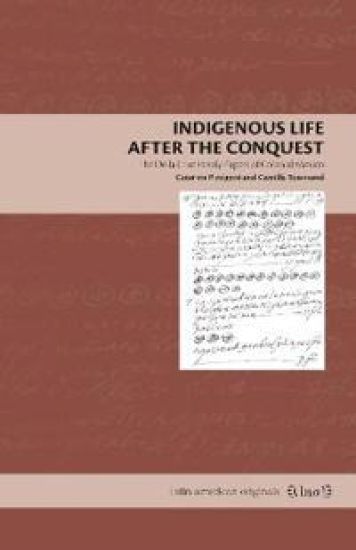
This book presents a unique set of written records belonging to the De la Cruz family, caciques of Tepemaxalco in the Toluca Valley. Composed in Nahuatl and Spanish and available here both in the original languages and in English translation, this collection of documents opens a window onto the life of a family from colonial Mexico’s indigenous elite and sheds light on the broader indigenous world within the Spanish colonial system. The main text is a record created in 1647 by long-serving governor don Pedro de la Cruz and continued by his heirs through the nineteenth century, along with two wills and several other notable documents. These sources document a community history, illuminating broader issues centering on politics, religion, and economics as well as providing unusual insight into the concerns and values of indigenous leaders. These texts detail the projects financed by the De la Cruz family, how they talked about them, and which belongings they deemed important enough to pass along after their death. Designed for classroom use, this clear and concise primary source includes a wealth of details about indigenous everyday life and preserves and makes accessible a rich and precious heritage. The engaging introduction highlights issues of class relations and the public and performative character of Nahua Christianity. The authors provide the necessary tools to help students understand the colonial context in which these documents were produced.
In November 1519, Hernando Cortés walked along a causeway leading to the capital of the Aztec kingdom and came face to face with Moctezuma. That story--and the story of what happened afterwards--has been told many times, but always following the narrative offered by the Spaniards. After all, we have been taught, it was the Europeans who held the pens. But the Native Americans were intrigued by the Roman alphabet and, unbeknownst to the newcomers, they used it to write detailed histories in their own language of Nahuatl. Until recently, these sources remained obscure, only partially translated, and rarely consulted by scholars. For the first time, in Fifth Sun, the history of the Aztecs is offered in all its complexity based solely on the texts written by the indigenous people themselves. Camilla Townsend presents an accessible and humanized depiction of these native Mexicans, rather than seeing them as the exotic, bloody figures of European stereotypes. The conquest, in this work, is neither an apocalyptic moment, nor an origin story launching Mexicans into existence. The Mexica people had a history of their own long before the Europeans arrived and did not simply capitulate to Spanish culture and colonization. Instead, they realigned their political allegiances, accommodated new obligations, adopted new technologies, and endured. This engaging revisionist history of the Aztecs, told through their own words, explores the experience of a once-powerful people facing the trauma of conquest and finding ways to survive, offering an empathetic interpretation for experts and non-specialists alike.
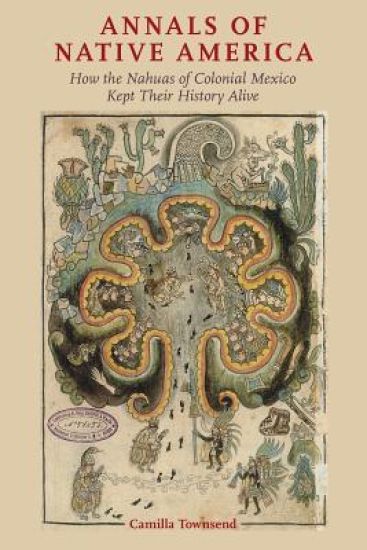
For many generations, the Nahuas of Mexico maintained their tradition of the xiuhpohualli. or "year counts," telling and performing their history around communal firesides so that the memory of it would not be lost. When the Spaniards came, young Nahuas took the Roman letters taught to them by the friars and used the new alphabet to record historical performances by elders. Between them, they wrote hundreds of pages, which circulated widely within their communities. Over the next century and a half, their descendants copied and recopied these texts, sometimes embellishing, sometimes extracting, and often expanding them chronologically. The annals, as they have usually been called, were written not only by Indians but also for Indians, without regard to European interests. As such they are rare and inordinately valuable texts. They have often been assumed to be both largely anonymous and at least partially inscrutable to modern ears. In this work, Nahuatl scholar Camilla Townsend reveals the authors of most of the texts, restores them to their proper contexts, and makes sense of long misunderstood documents. She follows a remarkable chain of Nahua historians, generation by generation, exploring who they were, what they wrote, and why they wrote it. Sometimes they conceived of their work as a political act, reinstating bonds between communities, or between past, present, and future generations. Sometimes they conceived of it largely as art and delighted in offering language that was beautiful or startling or humorous. Annals of Native America brings together, for the first time, samples of their many creations to offer a heretofore obscured history of the Nahuas and an alternate perspective on the Conquest and its aftermath.
For many generations, the Nahuas of Mexico maintained their tradition of the xiuhpohualli (SHOO-po-wa-lee), or "year counts," telling and performing their history around communal firesides so that the memory of it would not be lost. When the Spaniards came, young Nahuas took the Roman letters taught them by the friars and used the new alphabet to record historical performances by elders. These written texts were carefully preserved and even expanded upon for over a century. The annals, as they have often been called, were written not only by Indians but also for Indians, without regard to European interests. As such they are rare and inordinately valuable texts. But they have also been difficult for recent generations to understand. They have often been assumed to be both largely anonymous and at least partially inscrutable to modern ears. Now Nahuatl scholar Camilla Townsend, by dint of careful research, has been able to deduce authorship in the case of most of the texts, allowing her to restore them to their proper contexts and make sense of long misunderstood documents. She follows a remarkable chain of Nahua historians chronologically, generation by generation, telling of their lives and exploring what they wrote and why they wrote it. Sometimes they conceived of their work as a political act, reinstating bonds between communities, or between past, present, and future generations. Sometimes they conceived of it as art more than anything else, and delighted in offering language that was beautiful or startling or humorous. They were the writers of a literature that they hoped would be passed down to posterity. Their work did survive. Here for the first time, samples of their many creations have been brought together into one book, together with the stories of the writers' lives, to produce a work accessible to the people of today even as it remains faithful to the ethos of the past.
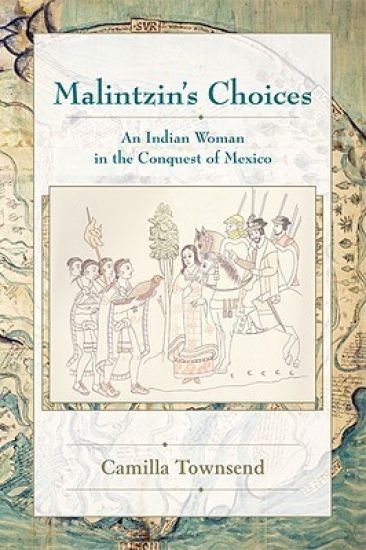
Malintzin was the indigenous woman who translated for Hernando Cortes in his dealings with the Aztec emperor Moctezuma in the days of 1519 to 1521. 'Malintzin', at least, was what the Indians called her. The Spanish called her dona Marina, and she has become known to posterity as La Malinche. As Malinche, she has long been regarded as a traitor to her people, a dangerously sexy, scheming woman who gave Cortes whatever he wanted out of her own self-interest. The life of the real woman, however, was much more complicated. She was sold into slavery as a child, and eventually given away to the Spanish as a concubine and cook. If she managed to make something more out of her life - and she did - it is difficult to say at what point she did wrong. In getting to know the trials and intricacies with which Malintzin's life was laced, we gain new respect for her steely courage, as well as for the bravery and quick thinking demonstrated by many other Native Americans in the earliest period of contact with Europeans. In this study of Malintzin's life, Camilla Townsend rejects all the previous myths and tries to restore dignity to the profoundly human men and women who lived and died in those days. Drawing on Spanish and Aztec language sources, she breathes new life into an old tale, and offers insights into the major issues of conquest and colonisation, including technology and violence, resistance and accommodation, gender and power.
Pocahontas and the Powhatan Dilemma: The American Portraits Series
Camilla Townsend
Hill Wang
2005
nidottu
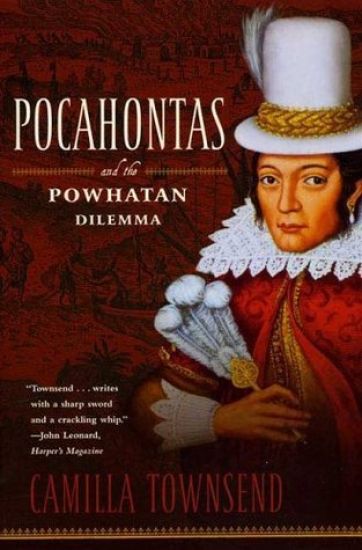
Camilla Townsend's stunning new book, Pocahontas and the Powhatan Dilemma, differs from all previous biographies of Pocahontas in capturing how similar seventeenth century Native Americans were--in the way they saw, understood, and struggled to control their world---not only to the invading British but to ourselves. Neither na ve nor innocent, Indians like Pocahontas and her father, the powerful king Powhatan, confronted the vast might of the English with sophistication, diplomacy, and violence. Indeed, Pocahontas's life is a testament to the subtle intelligence that Native Americans, always aware of their material disadvantages, brought against the military power of the colonizing English. Resistance, espionage, collaboration, deception: Pocahontas's life is here shown as a road map to Native American strategies of defiance exercised in the face of overwhelming odds and in the hope for a semblance of independence worth the name. Townsend's Pocahontas emerges--as a young child on the banks of the Chesapeake, an influential noblewoman visiting a struggling Jamestown, an English gentlewoman in London--for the first time in three-dimensions; allowing us to see and sympathize with her people as never before.
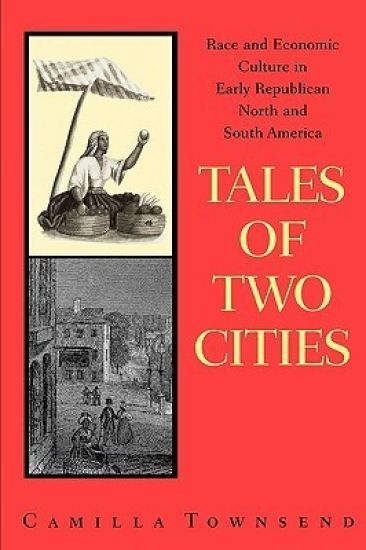
With a common heritage as former colonies of Europe, why did the United States so outstrip Latin America in terms of economic development in the nineteenth century? In this innovative study, Camilla Townsend challenges the traditional view that North Americans succeeded because of better attitudes toward work-the Protestant work ethic-and argues instead that they prospered because of differences in attitudes towards workers that evolved in the colonial era. Townsend builds her study around workers' lives in two very similar port cities in the 1820s and 1830s. Through the eyes of the young Frederick Douglass in Baltimore, Maryland, and an Indian woman named Ana Yagual in Guayaquil, Ecuador, she shows how differing attitudes towards race and class in North and South America affected local ways of doing business. This empirical research significantly clarifies the relationship between economic culture and racial identity and its long-term effects.