
Kirjojen hintavertailu – 12 859 818 kirjaa ja 27 kauppaa

Kirjailija

Cara Reed

Kirjat ja teokset yhdessä paikassa: 2 kirjaa, julkaisuja vuosilta 2023–2024, suosituimpiin kuuluu Enough of Experts. Vertaile teosten hintoja ja tarkista saatavuus suomalaisista kirjakaupoista.

2 kirjaa

Kirjojen julkaisuvuodet: 2023–2024.

Enough of Experts

Enough of Experts

Cara Reed; Michael Reed

De Gruyter
2024
isokokoinen pokkari

Halvin toimitettuna 24,20 €

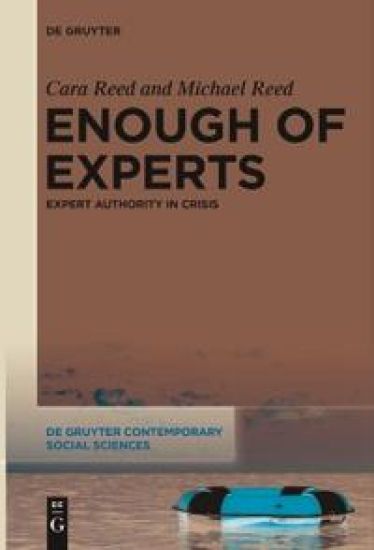
Enough of Experts: Expert Authority in Crisis analyses the challenges and threats to expert authority in neoliberal political economies and societies. It focuses upon the deep-seated political, economic, social and cultural transformations which have fundamentally destabilized and eroded the institutional foundations of expert authority over more than four decades. The book critically assesses the orthodox or ‘received’ model of expert authority as it has come under escalating pressures from a nexus of ideological, organizational, technological and cultural changes that have radically weakened the former’s core ‘institutional logic’ and practical efficacy. It also looks forward to a range of ‘expert futures’ in which expert groups and organizations decline in power and status as their prevalence proliferates to a stage where they become ubiquitous in neoliberal regimes. Finally, the book presents an alternative reflexive model of expert authority and governance that is grounded in the ‘dynamics of contestation and trust’ and stands in direct contrast to the orthodox, rational model.

Enough of Experts

Enough of Experts

Cara Reed; Michael Reed

De Gruyter
2023
sidottu
Enough of Experts: Expert Authority in Crisis analyses the challenges and threats to expert authority in neoliberal political economies and societies. It focuses upon the deep-seated political, economic, social and cultural transformations which have fundamentally destabilized and eroded the institutional foundations of expert authority over more than four decades. The book critically assesses the orthodox or ‘received’ model of expert authority as it has come under escalating pressures from a nexus of ideological, organizational, technological and cultural changes that have radically weakened the former’s core ‘institutional logic’ and practical efficacy. It also looks forward to a range of ‘expert futures’ in which expert groups and organizations decline in power and status as their prevalence proliferates to a stage where they become ubiquitous in neoliberal regimes. Finally, the book presents an alternative reflexive model of expert authority and governance that is grounded in the ‘dynamics of contestation and trust’ and stands in direct contrast to the orthodox, rational model.