Kirjojen hintavertailu – 12 903 724 kirjaa ja 27 kauppaa
Kirjailija
Carl Rogers
Kirjat ja teokset yhdessä paikassa: 31 kirjaa, julkaisuja vuosilta 1975–2025, suosituimpiin kuuluu Carl Rogers on Personal Power. Vertaile teosten hintoja ja tarkista saatavuus suomalaisista kirjakaupoista.
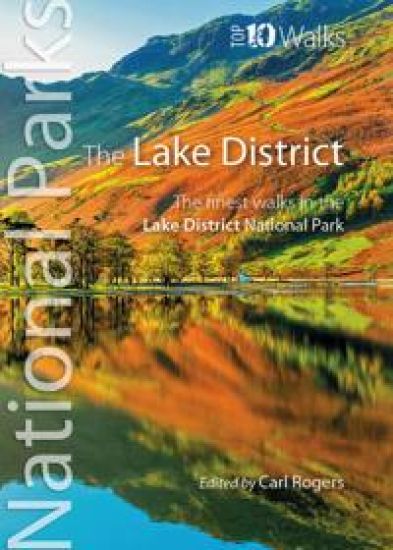
This attractive and cleverly structured guide gives walkers ten of the best circular walks to the loveliest dales and valleys in the Lake District National Park - in a popular pocketable format. With clear information, an overview and introduction for each walk, numbered directions, large scale Ordnance Survey maps, superb eye-grabbing panoramic photographs, and interpretation of points of interest along the way, these guides set a new standard in clarity and ease-of-use. Featured walks include: Newlands Valley Grisedale Martindale Great Langdale Little Langdale Dunnerdale Around Grasmere Eskdale Around Brotherswater and Borrowdale
A compilation of the finest walks taken from the best-selling range of area walking guides for North Wales published by Mara Books. Best Walks in North Wales contains carefully selected and outstanding circular walks in Snowdonia/Eryri National Park, the Isle of Anglesey, Llyn Peninsula and northeast Wales, including the Clwydian Range and the Vale of Llangollen Area of Outstanding Natural Beauty. All are undemanding, easy to moderate routes of 5.5 - 14 kilometres(3.5- 8.75) miles with reliable, easy-to-follow walking instructions, clear and accurate maps, fascinating historical and cultural notes, and excellent black-and-white and colour photographs. Together, they'll guide you through some of Wales' loveliest and most spectacular landscapes - from sandy coves and lofty sea cliffs to mirrored lakes and mountain views.
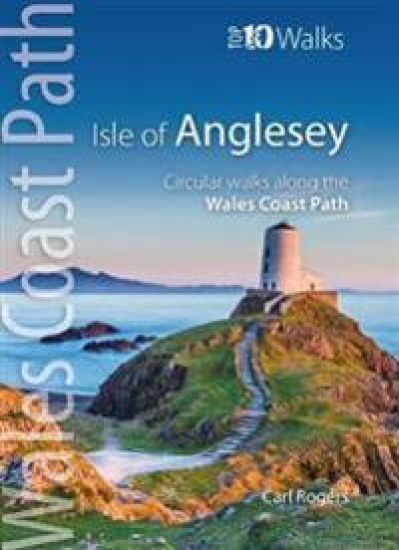
Written and designed by outdoor experts, these authoritative guidebooks give long-distance and local walkers everything they need to enjoy the Wales Coast Path with confidence. With clear, expertly written and numbered directions, enhanced Ordnance Survey mapping for the whole route, stunning professional photographs, and fascinating interpretation of points of interest along the way, these guides set a new standard in clarity and ease-of-use. The guide breaks the Isle of Anglesey section - from Bangor on the mainland, via a complete circuit of the island, to Menai Bridge - into twelve handy day sections.
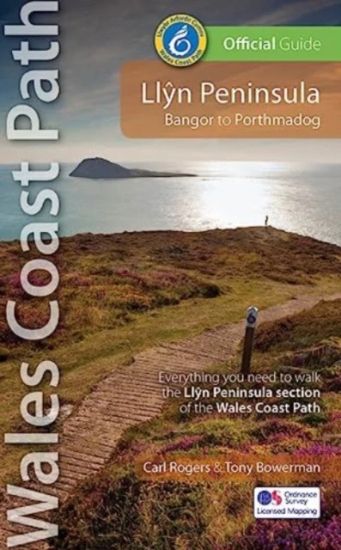
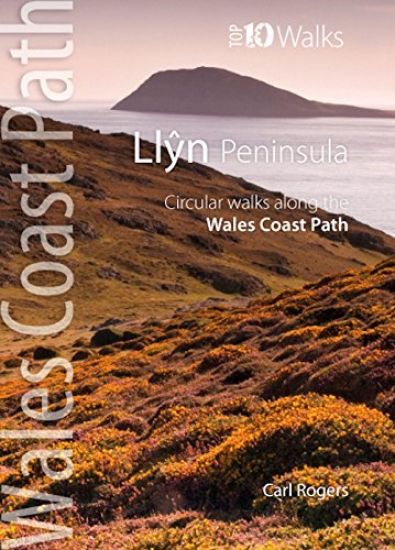
One of seven Official Guides to the Wales Coast Path. Endorsed and checked by National Resources Wales (NRW), these attractive and comprehensive guides contain everything you need to walk the Wales Coast Path. Written and designed by outdoor experts, these authoritative guidebooks give long-distance and local walkers everything they need to enjoy the Wales Coast Path with confidence. With clear, expertly-written and numbered directions, enhanced Ordnance Survey mapping for the whole route, stunning proffessional photographs, and fascinating interpretation of points of interest along the way, these guides set a new standard in clarity and ease-of-use. The guide breaks the Llyn Peninsula section of the Wales coast Path - from Bangor back to Porthmadog - down into nine day walks, each of between 6.5 miles - 14 miles. Carl Rogers and Tony Bowerman are directors of Northern eye Books, professional outdoor writers, and members of the Outdoor Writers and Photographers Guild. (OWPG)
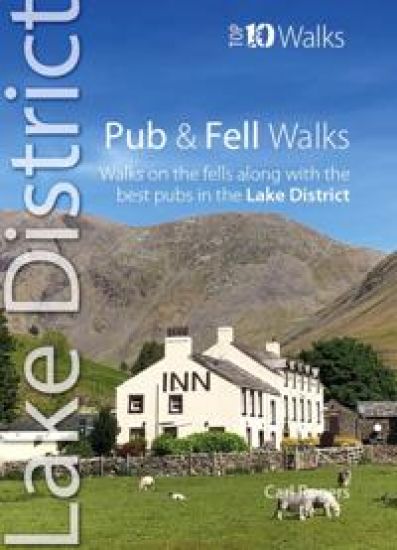
This attractive and cleverly structured guide gives walkers ten circular walks combining a superb country pub and nearby fell in the Lake District National Park - in a popular pocketable format. With clear information, an overview and introduction for each walk, numbered directions, large scale Ordnance Survey maps, superb eye-grabbing panoramic photographs, and interpretation of points of interest along the way, these guides set a new standard in clarity and ease-of-use. Featured walks include: The Old Crown + High Pike; The Pheasant + Sale Fell; The Kirkstile Inn + Melbreak; Swinside Inn + Causey Pike; Traveller's Rest + Helvellyn; White Lion + Place Fell; The Britannia + Lingmoor Fell, Riverside Bar + Grange Pike; The Woolpack + Harter Fell; Wasdale Head Hotel + Scafell Pikes.
This attractive and cleverly structured guide gives walkers ten of the finest walks combining a superb Lakeland pub with a classic fell walk in the Lake District National Park in a popular pocketable format. With clear information, an overview and introduction for each walk, expertly written numbered directions, large scale Ordnance Survey maps, superb eye-grabbing panoramic photographs, and interpretation of points of interest along the way, these guides set a new standard in clarity and ease-of-use. Featured walks include: Britannia Inn + Lingmoor Fell, Stickle Barn + Langdale Pikes, The Old Crown + High Pike/Carrock Fell, The White Horse + Blencathra, Wasdale Head Inn + Great Gable/Scafell Pike, Woolpack Inn + Harter Fell, Kirstile Inn + Melbreak, White Lion Inn + Place Fell, Travellers' Rest + Helvellyn, and Swinside Inn + Catbells.
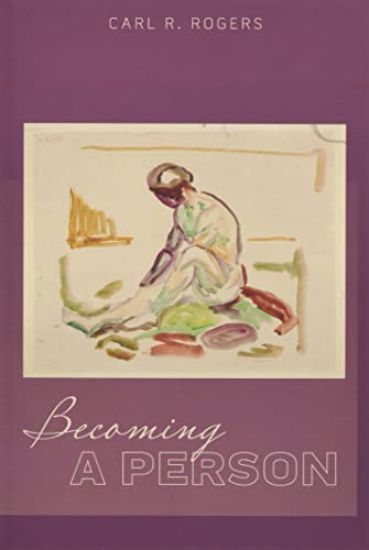
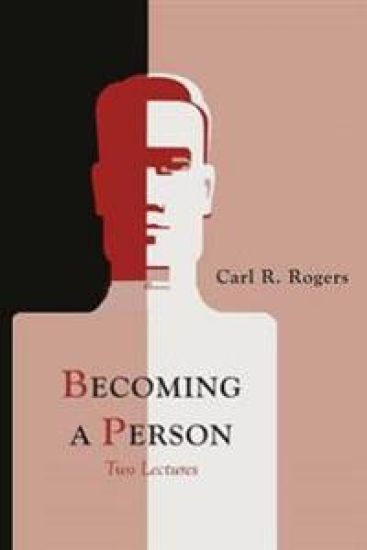
Becoming a Person, 1954In many ways, Carl Rogers was a revolutionary. Raised in a strict, conservative home, Rogers eventually developed a theory of psychology that swept away old power structures and put the patient in charge of his own treatment. His work continues to be important for what it teaches us about relationships and human potential, as well as about psychology. Unlike earlier practitioners of psychology, like Sigmund Freud or Carl Jung, Rogers did not elaborate a unifying theory of human consciousness. His work is not focused on unconscious drives, collective memory, or hidden impulses. It does not dwell on childhood memories or on sexuality, unless the patient (or, to use Rogers' own word, the client) wants to dwell on those matters. Instead, Rogers focused on what he called the desire for self-actualization. He believed that by creating the right conditions, therapy could release people from whatever was holding them back so that they could discover their true selves and live in harmony with the world around them. Rogers is probably best known for developing what he called nondirective, or client-centered therapy. He argued that people were innately good and possessed the ability to heal themselves, even when they had become seriously disconnected from reality. However, this sort of healing couldn't occur in a vacuum. Rogers stressed the importance of therapeutic relationships to give people the confidence and freedom to develop, so that they could achieve their true potential. Rogers assigned therapists a different role than the one they'd traditionally had. Traditionally, analysts had taken a fairly active role in their patients' treatment, offering their opinions on patients' needs and progress. Under Rogers' system, though, therapists took on a more passive position. Rather than diagnosing their patients or presenting a treatment plan, therapists focused on creating an atmosphere of warmth, safety, and acceptance. Rogers' ideal therapist was not a detached authority figure, taking notes while his patient poured out his earliest childhood memories. Rather, Rogers wanted therapists to enter into a genuine relationship with their clients. This would give clients the space they needed to drop their masks and gradually confront their true personhood. Careful readers will notice that Rogers was influenced by the likes of Soren Kierkegaard, especially when it came to the ongoing search for self. Rogers quotes Kierkegaard as saying, "to will to be that self which one truly is, is indeed the opposite of despair." Becoming a Person builds on that idea-the search for the self in combination with the quest for happiness-and applies it to the central problem of the psychologist, namely, what to do when faced with a troubled, conflicted person who is seeking and expecting help. For Rogers, each patient has the same problem-who am I, really? How can I become myself? The successful psychologist can help his clients to answer that question.
Becoming a Person, 1954In many ways, Carl Rogers was a revolutionary. Raised in a strict, conservative home, Rogers eventually developed a theory of psychology that swept away old power structures and put the patient in charge of his own treatment. His work continues to be important for what it teaches us about relationships and human potential, as well as about psychology. Unlike earlier practitioners of psychology, like Sigmund Freud or Carl Jung, Rogers did not elaborate a unifying theory of human consciousness. His work is not focused on unconscious drives, collective memory, or hidden impulses. It does not dwell on childhood memories or on sexuality, unless the patient (or, to use Rogers' own word, the client) wants to dwell on those matters. Instead, Rogers focused on what he called the desire for self-actualization. He believed that by creating the right conditions, therapy could release people from whatever was holding them back so that they could discover their true selves and live in harmony with the world around them. Rogers is probably best known for developing what he called nondirective, or client-centered therapy. He argued that people were innately good and possessed the ability to heal themselves, even when they had become seriously disconnected from reality. However, this sort of healing couldn't occur in a vacuum. Rogers stressed the importance of therapeutic relationships to give people the confidence and freedom to develop, so that they could achieve their true potential. Rogers assigned therapists a different role than the one they'd traditionally had. Traditionally, analysts had taken a fairly active role in their patients' treatment, offering their opinions on patients' needs and progress. Under Rogers' system, though, therapists took on a more passive position. Rather than diagnosing their patients or presenting a treatment plan, therapists focused on creating an atmosphere of warmth, safety, and acceptance. Rogers' ideal therapist was not a detached authority figure, taking notes while his patient poured out his earliest childhood memories. Rather, Rogers wanted therapists to enter into a genuine relationship with their clients. This would give clients the space they needed to drop their masks and gradually confront their true personhood. Careful readers will notice that Rogers was influenced by the likes of Soren Kierkegaard, especially when it came to the ongoing search for self. Rogers quotes Kierkegaard as saying, "to will to be that self which one truly is, is indeed the opposite of despair." Becoming a Person builds on that idea-the search for the self in combination with the quest for happiness-and applies it to the central problem of the psychologist, namely, what to do when faced with a troubled, conflicted person who is seeking and expecting help. For Rogers, each patient has the same problem-who am I, really? How can I become myself? The successful psychologist can help his clients to answer that question.
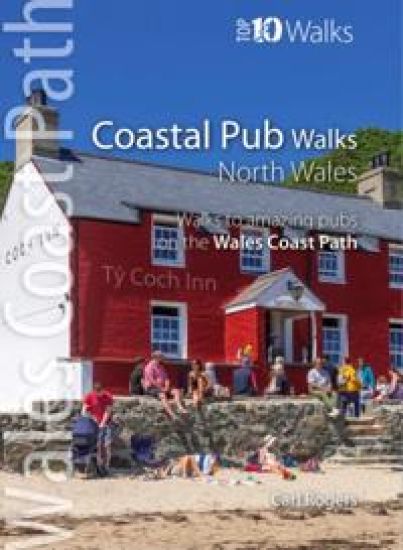
These attractive and cleverly structured guides will give walkers ten of the best short circular walks along the 870-mile long Wales Coast Path. With clear information, an overview and introduction for each walk, expertly written numbered directions, large scale Ordnance Survey maps, and interpretation of points of interest along the way, these guides excel in clarity and ease-of-use. Featured pub walks in the North Wales section of the Wales Coast Path include: Erskine Arms, Conwy; Ship Inn, Red Wharf Bay; White Eagle, Rhoscolyn; Oystercatcher, Rhosneigr; Ty Coch, Porthdinllaen; TY Newydd, Aberdaron; Sun Inn, Llanengan; and Yr Awstralia, Porthmadog.
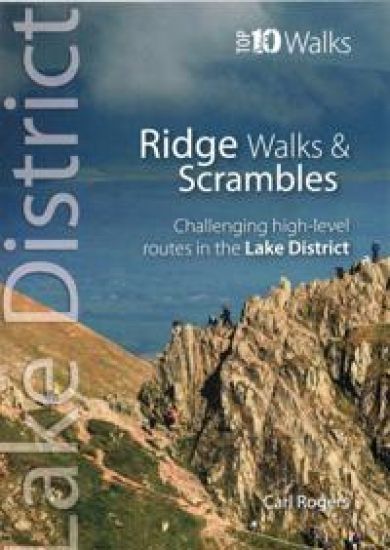
The Lakeland Fells have some of the finest ridge walks in the country. Exploring these ridges offers fell walking at its most satisfying - staying high, taking in several summits and enjoying the spectacular settings. Many of the Lake District's ridge walks have become classics, like the grassy edges of the Fairfield and Kentmere Horseshoes, or rocky aretes of Striding Edge and Swirral Edge and the aptly named Sharp Edge of Blencathra.
This book chronicles the journey of one person's life from a young boy to a grown man. The writer deals with various subjects, including love, life, drugs, sexual experiences, heartbreak, society and more. Through his writings we receive a true insight into the thoughts and feelings of an individual over the span of forty years. Split into four sections, we can see first-hand how the author's poetry changes and develops over the years. This is an intriguing read, written with frank and honest descriptions about the author feelings, which in turn develops within the reader a growing attachment to the author as we read each poem. This is a rare and exciting opportunity to be given access to the deeply personal and private thoughts of an individual, which at the end inevitably leaves us wanting more.
These attractive and cleverley structured guidebooks give walkers the ten finest circualr routes on a section of the Wales Coast Path in a popular pocketable format.
The ten best classic, circular walksin the Lake District National Park. Hghlights inclcude Catsbells, Scafell Pike, Tarn Hows, Derwentwater and Aira Force.
This attractive and cleverly structured guide gives walkers the ten finest routes along a section of the Wales Coast Path, in a popular pocketable format.
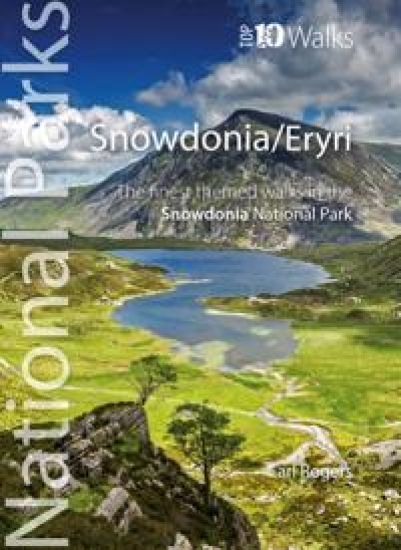
One of a series of six books for Snowdonia in the popular Top 10 Walks series. Handy, pocket-sized, full colour walking guides written by experts. Other titles in the series include: Mountain Walks, Hill WalksEasy Summits, Woodland Walks, Walks with History and Pub Walks.
One of a series of six books for Snowdonia in the popular Top 10 Walks series. Handy, pocket-sized, full colour walking guides written by experts. Other titles in the series include: Ridge WalksScrambles, Hill WalksEasy Summits, Woodland Walks, Walks with History and Pub Walks.