Kirjailija
Carl Van Vechten
Kirjat ja teokset yhdessä paikassa: 94 kirjaa, julkaisuja vuosilta 1999–2026, suosituimpiin kuuluu Sophie. Vertaile teosten hintoja ja tarkista saatavuus suomalaisista kirjakaupoista.
94 kirjaa
Kirjojen julkaisuvuodet: 1999–2026.

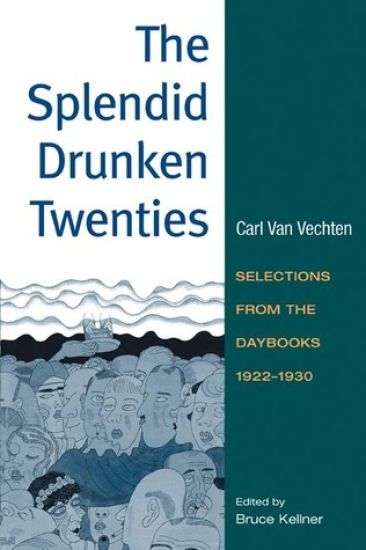
A startling record of the Jazz Age through the eyes of one of its memorable figuresBetween 1922 and 1930, Carl Van Vechten--one of the most significant figures of the Harlem Renaissance--kept a daily record of his activities. The records recount his day-to-day life, as well as the alliances, drinking habits, feuds, and affairs of a wide number of the period's luminaries, providing a rich resource for reconstructing the culture of 1920s New York and the social milieu during Prohibition. Bruce Kellner has provided copious informative notes identifying central figures and clarifying details.







Remember Me to Harlem: The Letters of Langston Hughes and Carl Van Vechten
Langston Hughes; Carl Van Vechten
VINTAGE
2002
nidottu
Langston Hughes is widely remembered as a celebrated star of the Harlem Renaissance -- a writer whose bluesy, lyrical poems and novels still have broad appeal. What's less well known about Hughes is that for much of his life he maintained a friendship with Carl Van Vechten, a flamboyant white critic, writer, and photographer whose ardent support of black artists was peerless. Despite their differences -- Van Vechten was forty-four to Hughes twenty-two when they met-Hughes' and Van Vechten's shared interest in black culture lead to a deeply-felt, if unconventional friendship that would span some forty years. Between them they knew everyone -- from Zora Neale Hurston to Richard Wright, and their letters, lovingly and expertly collected here for the first time, are filled with gossip about the antics of the great and the forgotten, as well as with talk that ranged from race relations to blues lyrics to the nightspots of Harlem, which they both loved to prowl. It's a correspondence that, as Emily Bernard notes in her introduction, provides "an unusual record of entertainment, politics, and culture as seen through the eyes of two fascinating and irreverent men.
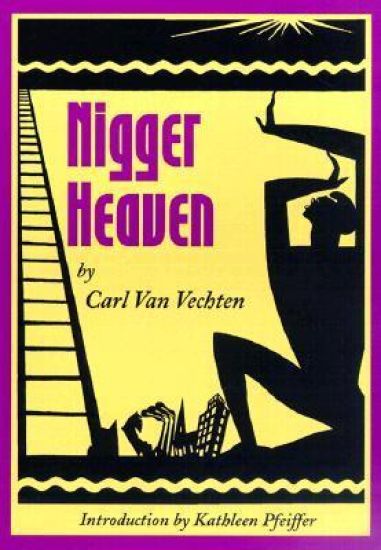
No other contemporary novel received the volume and intensity of criticism and curiosity that greeted Nigger Heaven upon its publication in 1926. Carl Van Vechten's novel generated a storm of controversy because of its scandalous title and fed an insatiable hunger on the part of the reading public for material relating to the black culture of Harlem's jazz clubs, cabarets, and social events. "The book and not the title is the thing," James Weldon Johnson insisted with regard to Nigger Heaven, and the book is indeed a nuanced and vibrant portrait of "the great black walled city" of Harlem. Opening on a scene of tawdry sensationalism, Nigger Heaven shifts decisively to a world of black middle-class respectability, defined by intellectual values, professional ambition, and an acute consciousness of class and racial identity. Here is a Harlem where upper-class elites discuss art in well-appointed drawing rooms; rowdy and lascivious drunks spend long nights in jazz clubs and speakeasies; and politically conscious young intellectuals drink coffee and debate "the race problem" in walk-up apartments. At the center of the story, two young people--a quiet, serious librarian and a volatile aspiring writer--struggle to love each other as their dreams are slowly suffocated by racism. This reissue is based on the seventh printing, which included poetry composed by Langston Hughes especially for the book. Kathleen Pfeiffer's astute introduction investigates the controversy surrounding the shocking title and shows how the novel functioned in its time as a site to contest racial violence. She also signals questions of racial authenticity and racial identity raised by a novel about black culture written by a white admirer of that culture.