Kirjailija
Carlo Petrini
Kirjat ja teokset yhdessä paikassa: 11 kirjaa, julkaisuja vuosilta 2003–2026, suosituimpiin kuuluu Locavore Adventures. Vertaile teosten hintoja ja tarkista saatavuus suomalaisista kirjakaupoista.
11 kirjaa
Kirjojen julkaisuvuodet: 2003–2026.
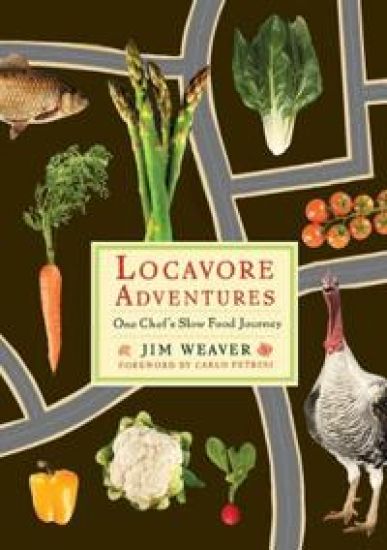
America’s fast food culture reflects not only what we eat—foods that are processed and packaged for convenience—but also how we eat—munching as we multitask and not really tasting the super-sized meals we ingest. But in recent years, a more thoughtful philosophy about food has emerged. Developed in Italy, where fresh ingredients and artisanal techniques are prized, the Slow Food movement has rapidly gained a following in North America. The skeptics among us might wonder if it is possible truly to enjoy a Slow Food lifestyle—one based around local, seasonal ingredients—in our fast-paced world. In Locavore Adventures, acclaimed New Jersey chef and restaurateur Jim Weaver shares his personal story of how he came to solve this problem—building a local slow food culture that is ecologically responsible and also yields delicious results. Weaver tells of his odyssey founding the Central New Jersey chapter of Slow Food, connecting local farmers, food producers, and chefs with the public to forge communities that value the region’s unique bounty. More than forty recipes throughout the book, from Hot Smoked Brook Trout with Asparagus Puree and Pickled Cippollini Onions to Zuppa di Mozzarella, will inspire readers to be creative in their own kitchens. Locavore Adventures is a thoughtful memoir about growing a sustainable food culture and a guide to slowing down, savoring locally grown food, and celebrating life.

Original dialogues between Pope Francis and Carlo Petrini, the Slow Food movement's founder, on biodiversity, the economy, migration, education, and communityIn 2015, Pope Francis launched the idea of "integral ecology" with his encyclical Laudato Si', addressing Catholics, followers of other faiths, and nonbelievers alike. This groundbreaking reflection examined the serious environmental deterioration of our planet caused by scandalously unjust and irresponsible economic and political systems. Among the thought leaders who inspired Pope Francis was Carlo Petrini, founder of the Slow Food movement. This movement shares the global commitment to "cultivate and protect" human and earthly goods, proceeding with revolutionary pragmatism toward a life in harmony with oneself, with one's community, and with nature. Terrafutura features three original dialogues between Pope Francis and Petrini, exploring themes of biodiversity, the economy, migration, education, and community. Petrini's writings alternate with passages from papal documents, such as the intense "Apostolic Exhortation Querida Amazonia," the lively intervention "(Re)thinking Europe," and the affectionate exhortations to Laudato Si' communities, which suggest new ways of designing the economy and political systems and opening fraternal horizons to the comparison between lay and religious people and between the different cultures of the world. This book, which represents a radical step in developing the concept of integral ecology, will appeal to readers interested in links between climate change / sustainability and economic systems, as well as theologians, papal scholars, environmental activists, and nonprofits. By connecting contemporary discourse with religious texts, Terrafutura will inspire readers to embrace pacifist, collective activism and envision new models of coexistence in an environment that is "good, clean, and fair."
A Taste for Change
Gaël Giraud; Carlo Petrini; Stefano Arduini; Pope Francis
GEORGETOWN UNIVERSITY PRESS
2025
pokkari
A new paradigm for developing a sustainable solution for the economy and the food chain A Taste for Change argues that civil society must take the initiative to create a new paradigm of existence that centers on the common good, ecological transition, and active involvement in the development of a sustainable solution for the economy and the food chain. Giraud and Petrini engage with the revolutionary concepts captured in Pope Francis's recent encyclicals centering on the Earth-based spirituality of Saint Francis of Assisi. This deep exploration of surrounding food systems, indigenous wisdom, economic structures, and politics is based on the premise that the ecological transition urgently needs to be accelerated to avoid the most dramatic consequences of the climate crisis. Academics, students, and activists from a wide array of disciplines will find A Taste for Change a dialogue worthy of careful consideration and an inspiring call to action.
A Taste for Change
Gaël Giraud; Carlo Petrini; Stefano Arduini; Pope Francis
GEORGETOWN UNIVERSITY PRESS
2025
sidottu
Halvin toimitettuna 63,60 €
A new paradigm for developing a sustainable solution for the economy and the food chainA Taste for Change argues that civil society must take the initiative to create a new paradigm of existence that centers on the common good, ecological transition, and active involvement in the development of a sustainable solution for the economy and the food chain. Giraud and Petrini engage with the revolutionary concepts captured in Pope Francis's recent encyclicals centering on the Earth-based spirituality of Saint Francis of Assisi. This deep exploration of surrounding food systems, indigenous wisdom, economic structures, and politics is based on the premise that the ecological transition urgently needs to be accelerated to avoid the most dramatic consequences of the climate crisis. Academics, students, and activists from a wide array of disciplines will find A Taste for Change a dialogue worthy of careful consideration and an inspiring call to action.
The history of the Jewish people has been a history of migration. Although Jews invariably brought with them their traditional ideas about food during these migrations, just as invariably they engaged with the foods they encountered in their new environments. Their culinary habits changed as a result of both these migrations and the new political and social realities they encountered. The stories in this volume examine the sometimes bewildering kaleidoscope of food experiences generated by new social contacts, trade, political revolutions, wars, and migrations, both voluntary and compelled. This panoramic history of Jewish food highlights its breadth and depth on a global scale from Renaissance Italy to the post–World War II era in Israel, Argentina, and the United States and critically examines the impact of food on Jewish lives and on the complex set of laws, practices, and procedures that constitutes the Jewish dietary system and regulates what can be eaten, when, how, and with whom. Global Jewish Foodways offers a fresh perspective on how historical changes through migration, settlement, and accommodation transformed Jewish food and customs.
Slow Food
Carlo Petrini; Alice Waters
Columbia University Press
2004
pokkari
Halvin toimitettuna 21,50 €
Take a breath... Read slowly. How often in the course and crush of our daily lives do we afford ourselves moments to truly relish-to truly be present in-the act of preparing and eating food? For most of us, our enjoyment of food has fallen victim to the frenetic pace of our lives and to our increasing estrangement, in a complex commercial economy, from the natural processes by which food is grown and produced. Packaged, artificial, and unhealthful, fast food is only the most dramatic example of the degradation of food in our lives, and of the deeper threats to our cultural, political, and environmental well-being. In 1986, Carlo Petrini decided to resist the steady march of fast food and all that it represents when he organized a protest against the building of a McDonald's near the Spanish Steps in Rome. Armed with bowls of penne, Petrini and his supporters spawned a phenomenon. Three years later Petrini founded the International Slow Food Movement, renouncing not only fast food but also the overall pace of the "fast life." Issuing a manifesto, the Movement called for the safeguarding of local economies, the preservation of indigenous gastronomic traditions, and the creation of a new kind of ecologically aware consumerism committed to sustainability. On a practical level, it advocates a return to traditional recipes, locally grown foods and wines, and eating as a social event. Today, with a magazine, Web site, and over 75,000 followers organized into local "convivia," or chapters, Slow Food is poised to revolutionize the way Americans shop for groceries, prepare and consume their meals, and think about food. Slow Food not only recalls the origins, first steps, and international expansion of the movement from the perspective of its founder, it is also a powerful expression of the organization's goal of engendering social reform through the transformation of our attitudes about food and eating. As Newsweek described it, the Slow Food movement has now become the basis for an alternative to the American rat race, the inspiration for "a kinder and gentler capitalism." Linger a while then, with the story of what Alice Waters in her Foreword calls "this Delicious Revolution," and rediscover the pleasures of the good life.