
Kirjailija
Carlton Cornett
Kirjat ja teokset yhdessä paikassa: 7 kirjaa, julkaisuja vuosilta 1977–2025, suosituimpiin kuuluu Nothing Human is Alien. Vertaile teosten hintoja ja tarkista saatavuus suomalaisista kirjakaupoista.
7 kirjaa
Kirjojen julkaisuvuodet: 1977–2025.
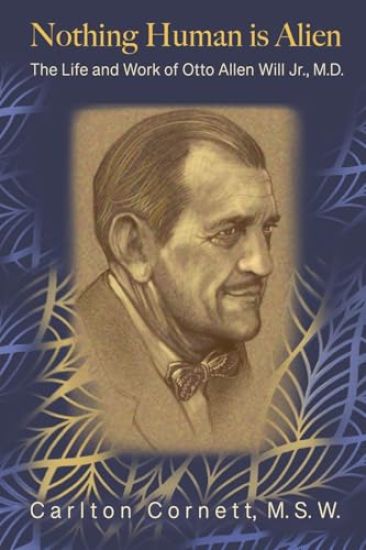

Psychotherapy is not just an abstract concept and cannot be described without reference to real human beings. So this book is also a story about people; in particular, two men who knew trauma, loneliness, and sometimes, despair. They dealt with their pain in some of the ways that people do: drinking, anger, disparaging others, and withdrawal from all but the safest of people. This, but for one element, would be a story of tragedy. The element that redeems the story was their use of their pain, uncertainty, and loneliness to help other suffering people.

An Introduction to Interpersonal Theory and Psychotherapy
Carlton Cornett; Michael Kavur
Ideas Into Books: Westview
2020
pokkari
For several years Carlton Cornett has given an introduction on interpersonal theory and psychotherapy to fourth year psychiatric residents at the Vanderbilt University School of Medicine. Since 2019 he has been supervising the clinical work of Dr. Michael Kavur, a creative and thoughtful student of interpersonalism. For this year's introduction to the residents, they decided to create a short study guide. This introduction contains a series of essays outlining salient points of the interpersonal perspective. Dr. Kavur begins this series with an essay on his experience as a student grappling with the various models of the human condition presented to physicians in the United States. It is an interesting study of one physician's experience. Cornett authored the remaining essays, focused on: general concepts, human development, psychopathology, and clinical work from an interpersonal viewpoint. The final paper may strike some readers as a little provocative, but an open-minded reading may challenge some to think outside the box about psychotherapy. Each essay is followed by a page where readers may record their thoughts and feelings about the previous material.

Psychotherapy is not just an abstract concept and cannot be described without reference to real human beings. So this book is also a story about people; in particular, two men who knew trauma, loneliness, and sometimes, despair. They dealt with their pain in some of the ways that people do: drinking, anger, disparaging others, and withdrawal from all but the safest of people. This, but for one element, would be a story of tragedy. The element that redeems the story was their use of their pain, uncertainty, and loneliness to help other suffering people.

From Simon & Schuster, The Soul of Psychotherapy is Carlton Cornett's guide to recapturing the spiritual dimension in the therapeutic encounter. Carlton Cornett's The Soul of Psychotherapy explains how therapists can include the spiritual dimension in their practices, serving both patients with religious commitments, and those whose problems involve such issues.

American culture is overwhelmingly heterosexual, filled with the symbolism, rites of passage, and rituals that affirm and strengthen heterosexual identity. Homosexuality is scorned, disparaged, and treated with contempt in myriad subtle and obvious ways. The homosexual boy who becomes the homosexual man is bombarded by assaults on his identity and self-esteem. In this milieu of rejection, the homosexual man cannot help but internalize some self-hatred. Taking in society's contempt for him leads the gay man to become alienated from who he essentially and authentically is. In an attempt to achieve some acknowledgment, he often adopts a false self more pleasing to his parents and the larger culture. However, hiding his personality behind a veneer completes his alienation from the true self underneath. As Carlton Cornett ably demonstrates in Reclaiming the Authentic Self, to be successful with the gay man, dynamic psychotherapy must focus on the creation of an environment that invites the patient to discover and create his authenticity. In addition to allowing this true self to be revealed, the work must involve the integration of feelings and values that previously were rejected in order to minimize narcissistic injury. The psychotherapeutic environment also must acknowledge the gay man's constant struggle to maintain his identity in a hostile world that continues to reject who he is.