Kirjojen hintavertailu – 12 859 827 kirjaa ja 27 kauppaa

Kirjailija

Carol A. Chapelle

Kirjat ja teokset yhdessä paikassa: 8 kirjaa, julkaisuja vuosilta 2001–2026, suosituimpiin kuuluu Technology and Language Learning. Vertaile teosten hintoja ja tarkista saatavuus suomalaisista kirjakaupoista.

8 kirjaa

Kirjojen julkaisuvuodet: 2001–2026.

Technology and Language Learning

Technology and Language Learning

Carol A. Chapelle

Cambridge University Press
2026
pokkari
Applied linguists' interests and values have expanded in synergy with evolving technologies over the past decades, and with the tools and concepts developed in other disciplines. This timely book explains applied linguists' interest in technology in connection with their study of language-related problems in the real world. The decades of history and intersections with other disciplines provide background for introducing 11 types of technology-mediated language learning activities, grounded in the research-practice interface characterizing applied linguistics. Examples of past research are interpreted through the lens of design-based research to examine how design principles are developed for language learning and language assessment. Concrete implications are outlined for language pedagogy and its evaluation, language teacher education, and technology studies in applied linguistics. These foundations of technology and language learning will animate a spirit of critical professional inquiry toward current and future digital technologies as they intersect with language learners.

Technology and Language Learning

Technology and Language Learning

Carol A. Chapelle

Cambridge University Press
2026
sidottu
Applied linguists' interests and values have expanded in synergy with evolving technologies over the past decades, and with the tools and concepts developed in other disciplines. This timely book explains applied linguists' interest in technology in connection with their study of language-related problems in the real world. The decades of history and intersections with other disciplines provide background for introducing 11 types of technology-mediated language learning activities, grounded in the research-practice interface characterizing applied linguistics. Examples of past research are interpreted through the lens of design-based research to examine how design principles are developed for language learning and language assessment. Concrete implications are outlined for language pedagogy and its evaluation, language teacher education, and technology studies in applied linguistics. These foundations of technology and language learning will animate a spirit of critical professional inquiry toward current and future digital technologies as they intersect with language learners.
Argument-Based Validation in Testing and Assessment

Argument-Based Validation in Testing and Assessment

Carol A. Chapelle

SAGE Publications Inc
2020
nidottu
Carol A. Chapelle shows readers how to design validation research for tests of human capacities and performance. Any test that is used to make decisions about people or programs should have undergone extensive research to demonstrate that the scores are actually appropriate for their intended purpose. Argument-Based Validation in Testing and Assessment is intended to help close the gap between theory and practice, by introducing, explaining, and demonstrating how test developers can formulate the overall design for their validation research from an argument-based perspective.
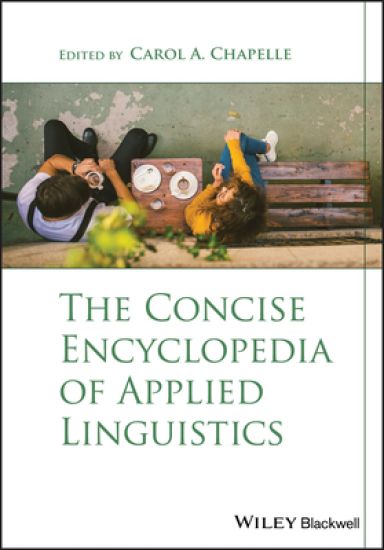
The Concise Encyclopedia of Applied Linguistics

The Concise Encyclopedia of Applied Linguistics

Carol A. Chapelle

John Wiley Sons Inc
2019
nidottu
Offers a wide-ranging overview of the issues and research approaches in the diverse field of applied linguistics Applied linguistics is an interdisciplinary field that identifies, examines, and seeks solutions to real-life language-related issues. Such issues often occur in situations of language contact and technological innovation, where language problems can range from explaining misunderstandings in face-to-face oral conversation to designing automated speech recognition systems for business. The Concise Encyclopedia of Applied Linguistics includes entries on the fundamentals of the discipline, introducing readers to the concepts, research, and methods used by applied linguists working in the field. This succinct, reader-friendly volume offers a collection of entries on a range of language problems and the analytic approaches used to address them. This abridged reference work has been compiled from the most-accessed entries from The Encyclopedia of Applied Linguistics (www.encyclopediaofappliedlinguistics.com), the more extensive volume which is available in print and digital format in 1000 libraries spanning 50 countries worldwide. Alphabetically-organized and updated entries help readers gain an understanding of the essentials of the field with entries on topics such as multilingualism, language policy and planning, language assessment and testing, translation and interpreting, and many others. Accessible for readers who are new to applied linguistics, The Concise Encyclopedia of Applied Linguistics: Includes entries written by experts in a broad range of areas within applied linguisticsExplains the theory and research approaches used in the field for analysis of language, language use, and contexts of language useDemonstrates the connections among theory, research, and practice in the study of language issuesProvides a perfect starting point for pursuing essential topics in applied linguistics Designed to offer readers an introduction to the range of topics and approaches within the field, The Concise Encyclopedia of Applied Linguistics is ideal for new students of applied linguistics and for researchers in the field.
Teaching Culture in Introductory Foreign Language Textbooks
This book demonstrates how foreign language textbook analysis can inform future materials development to improve foreign language teaching. Through chronological analysis of French textbooks in the United States, this book explores the representations of Canada and Quebec in French beginner textbooks produced from 1960 to 2010. Chapelle couples a large collection of 65 textbooks with a social-semiotic qualitative analysis of the genres, language and images that communicate Quebec's cultural narrative to learners. Findings about the amount and type of content are presented by decade to track the trends in foreign language teaching and changes in Quebec’s representation. Particular attention is given to how language politics is presented to students through text and images. This book will be of interest to scholars of Canadian Studies, Quebec Studies and Second Language Acquisition, as well as foreign language materials developers.
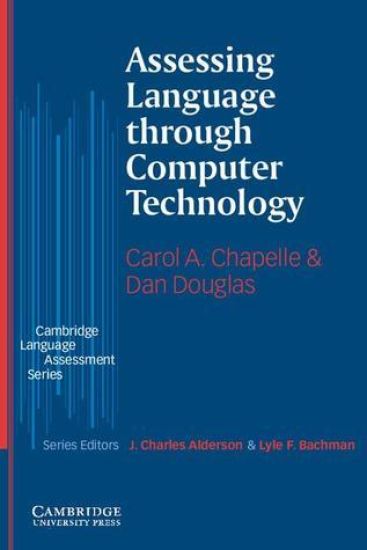
Assessing Language through Computer Technology

Assessing Language through Computer Technology

Carol A. Chapelle; Dan Douglas

Cambridge University Press
2006
pokkari
In 1998 and 1999, three of the largest providers of educational tests introduced computer-based versions of proficiency tests for English as a foreign language. Around the same time, many institutions began to offer Web-based tests for particular language courses and classes. These two phenomena have greatly added to the momentum of work in computer-assisted testing and mean that assessment through computer technology is becoming a fact for language learners in educational settings and therefore for teachers and researchers.
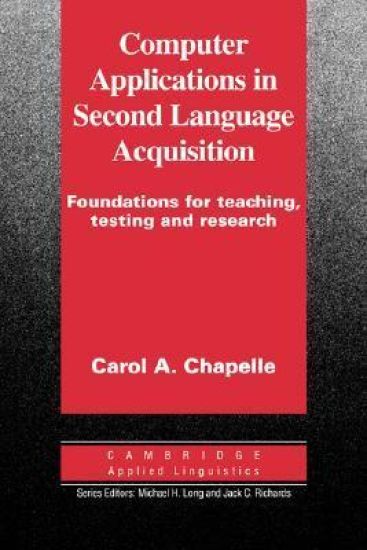
Computer Applications in Second Language Acquisition

Computer Applications in Second Language Acquisition

Carol A. Chapelle

Cambridge University Press
2001
pokkari
Computer Applications in Second Language Acquisition explores computer applications in second language acquisition by reviewing and interpreting research and development in three areas: computer-assisted second language learning, computer-assisted second language assessment, and computer-assisted second language research ? addressing issues such as effective use of software in language teaching, values and limitations of computer-assisted testing, and the study of second language development with interactive computer programs. It offers a unique view of the topic by examining computer applications through perspectives from applied linguistics; it identifies cross-disciplinary work relevant to software development, use, and evaluation; and it suggests critical research directions. This is the first single volume on computer applications in the field which includes issues in teaching, assessment, and SLA research, and which treats evaluation extensively.