

Kirjailija
Carol Anderson
Kirjat ja teokset yhdessä paikassa: 32 kirjaa, julkaisuja vuosilta 1999–2024, suosituimpiin kuuluu Lunch with Lady Eaton. Vertaile teosten hintoja ja tarkista saatavuus suomalaisista kirjakaupoista.
32 kirjaa
Kirjojen julkaisuvuodet: 1999–2024.
"Basic Buddhism" is a condensed version of author Carol Anderson's original work, "Under The Bodhi Tree". In this book the reader is introduced to the man who would become the Buddha as well as the basic concepts and beliefs practiced to this day. From the introduction of such concepts as The Four Noble Truths and The Noble Eightfold Path to the meaning behind many of the symbols that Buddhism has developed, this book has something for everyone. Mrs. Anderson offers an inspirational source of information as well as practical techniques for develping your own practice. With down-to-earth meditation instruction and sample exercises the reader is encouraged and supported to begin their own personal journey of self discovery." Basic Buddhism" is for anyone who wants to create a more peaceful, joyful life.

Demonstrates how the four noble truths are used thorughout the Pali canon as a symbol of Buddha's enlightenment and as a doctrine within a larger network of Buddha's teachings. Their unique nature rests in their function as a proposition and as a symbol in the Theravada canon.
Bourgeois Radicals explores the NAACP's key role in the liberation of Africans and Asians across the globe even as it fought Jim Crow on the home front during the long civil rights movement. For NAACP's leaders, the way to create a stable international system, stave off communism in Africa and Asia, and prevent capitalist exploitation was to embed human rights, with its economic and cultural protections, in the transformation of colonies into nations. Indeed, the NAACP aided in the liberation struggles of multiple African and Asian countries within the limited ideological space of the Second Red Scare. However, its vision of a 'third way' to democracy for the hundreds of millions in Asia and Africa was only partially realized due to a toxic combination of the Cold War, Jim Crow, and imperialism. Bourgeois Radicals examines the toll that internationalism took on the organization and illuminates the linkages between the struggle for human rights and the fight for colonial independence.

The Adventures of Katie and Ben: At the Creek
Carol Anderson
Createspace Independent Publishing Platform
2014
nidottu

A History of the Belknap Mill: The Pride of Laconia's Industrial Heritage
Carol Anderson
History Press Library Editions
2014
sidottu
Laconia's Belknap Mill thrived in the boom of the Industrial Revolution. The historic mill swiftly rose to the forefront of the city's hosiery industry in the nineteenth century. Lakes Region historian Carol Lee Anderson reveals the mill's unique history, including its inventive, entrepreneurial owners, their climb to industrial success and the challenges they overcame. This fascinating story encompasses the saga of countless French-Canadian immigrants whose arrival in the Lakes Region influenced the course of industry and daily life in the city of Laconia. The mill's story continues, and the preservation of this historic textile mill includes a fierce struggle of historic values versus urban renewal. Learn how this early symbol of the Industrial Revolution fought to become the pride of Laconia's industrial heritage.
Whether you are simply curious or a novice practitioner, this book offers something for everyone. From the introduction of such concepts as The Four Noble Truths and The Noble Eightfold Path to instructions for developing self practice, Under The Bodhi Tree touches on not only historical information but the deeper inner meanings and origins of Buddhist tradition and thought. In Under The Bodhi Tree, author Carol Anderson offers the reader a comprehensive guide to Buddhism both from a knowledge and a practice perspective. The reader is introduced to the basic concepts and teachings of the Buddha as well as the growth and evolution of Buddhism from its origins to its place in the world today. With her first best selling book, Mrs. Anderson offers an inspirational source of information as well as insights and practical techniques to make Buddhism understandable and applicable to our everyday lives. With the down-to-earth meditation instructions and sample exercises offered here, she encourages the reader to begin their own journey of self discovery. Under The Bodhi Tree is for anyone who wants to create a more peaceful, joyful life.
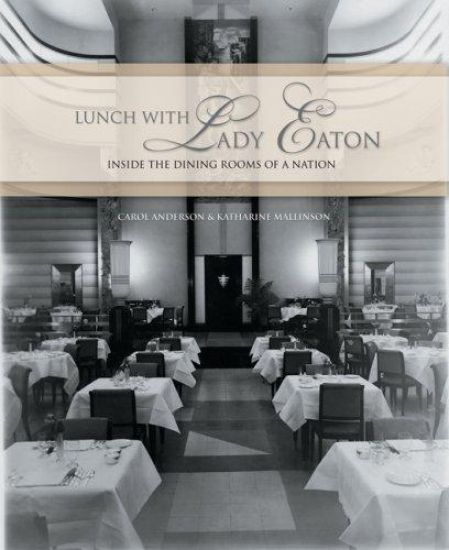
Inside the Dining Rooms of a Nation

As World War II drew to a close and the world awakened to the horror wrought by white supremacists in Nazi Germany, African American leaders, led by the NAACP (National Association for the Advancement of Colored People), sensed the opportunity to launch an offensive against the conditions of segregation and inequality in America. The ‘prize’ they sought was not civil rights, but human rights. Only the human rights lexicon, shaped by the Holocaust and articulated by the United Nations, contained the language and the moral power to address not only the political and legal inequality but also the education, health care, housing, and employment needs that haunted the black community. But the onset of the Cold War and rising anti-communism allowed powerful Southerners to cast those rights as Soviet-inspired. Thus the Civil Rights Movement was launched with neither the language nor the mission it needed to truly achieve black equality.
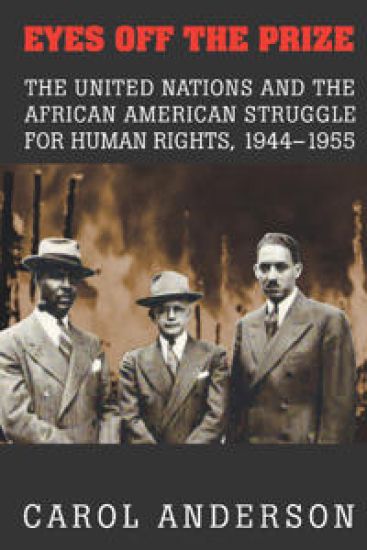
As World War II drew to a close and the world awakened to the horror wrought by white supremacists in Nazi Germany, African American leaders, led by the NAACP (National Association for the Advancement of Colored People), sensed the opportunity to launch an offensive against the conditions of segregation and inequality in America. The ‘prize’ they sought was not civil rights, but human rights. Only the human rights lexicon, shaped by the Holocaust and articulated by the United Nations, contained the language and the moral power to address not only the political and legal inequality but also the education, health care, housing, and employment needs that haunted the black community. But the onset of the Cold War and rising anti-communism allowed powerful Southerners to cast those rights as Soviet-inspired. Thus the Civil Rights Movement was launched with neither the language nor the mission it needed to truly achieve black equality.


Demonstrates how the four noble truths are used thorughout the Pali canon as a symbol of Buddha's enlightenment and as a doctrine within a larger network of Buddha's teachings. Their unique nature rests in their function as a proposition and as a symbol in the Theravada canon.