
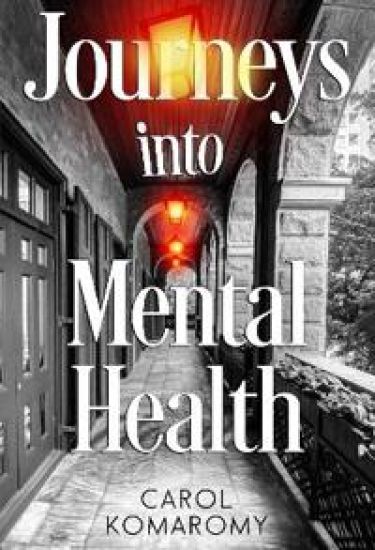
Kirjailija
Carol Komaromy
Kirjat ja teokset yhdessä paikassa: 5 kirjaa, julkaisuja vuosilta 2012–2025, suosituimpiin kuuluu Journeys into Mental Health. Vertaile teosten hintoja ja tarkista saatavuus suomalaisista kirjakaupoista.
5 kirjaa
Kirjojen julkaisuvuodet: 2012–2025.
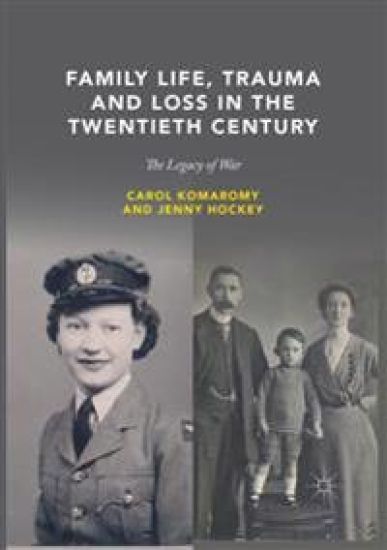
Family Life, Trauma and Loss in the Twentieth Century
Carol Komaromy; Jenny Hockey
Springer Nature Switzerland AG
2019
nidottu
This book uses personal memoir to examine links between private trauma and the socio-cultural approach to death and memory developed within Death Studies. The authors, two key Death Studies scholars, tell the stories that constitute their family lives. Each bears witness to the experiences of men who were either killed or traumatised during World War One and World War Two and shows the ongoing implications of these events for those left behind. The book illustrates how the rich oral history and material culture legacy bequeathed by these wars raises issues for everyone alive today. Belonging to a generation who grew up in the shadow of war, Komaromy and Hockey ask how we can best convey unimaginable events to later generations, and what practical, moral and ethical demands this brings. Family Life, Trauma and Loss in the Twentieth Century will be of interest to students and scholars across a range of disciplines including Death Studies, Military History, Research Methods, Family History, the Sociology of the Family and Life Writing.
Family Life, Trauma and Loss in the Twentieth Century
Carol Komaromy; Jenny Hockey
Springer International Publishing AG
2018
sidottu
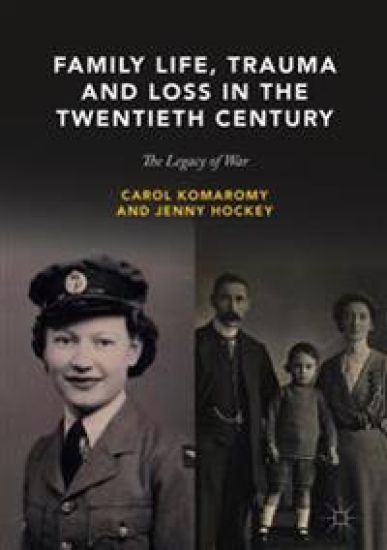
This book uses personal memoir to examine links between private trauma and the socio-cultural approach to death and memory developed within Death Studies. The authors, two key Death Studies scholars, tell the stories that constitute their family lives. Each bears witness to the experiences of men who were either killed or traumatised during World War One and World War Two and shows the ongoing implications of these events for those left behind. The book illustrates how the rich oral history and material culture legacy bequeathed by these wars raises issues for everyone alive today. Belonging to a generation who grew up in the shadow of war, Komaromy and Hockey ask how we can best convey unimaginable events to later generations, and what practical, moral and ethical demands this brings. Family Life, Trauma and Loss in the Twentieth Century will be of interest to students and scholars across a range of disciplines including Death Studies, Military History, Research Methods, Family History, the Sociology of the Family and Life Writing.
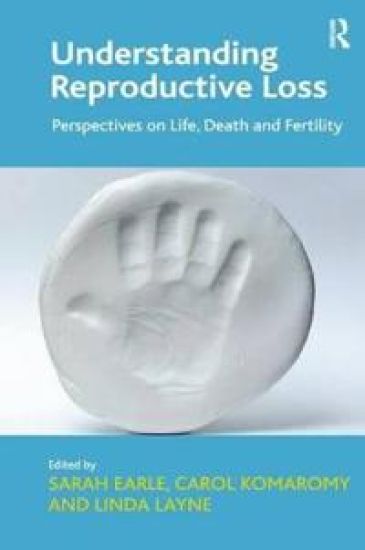
The study of human reproduction has focused on reproductive ’success’ and on the struggle to achieve this, rather than on the much more common experience of ’failure’, or reproductive loss. Drawing on the latest research from The UK and Europe, The United States, Australia and Africa, this volume examines the experience of reproductive loss in its widest sense to include termination of pregnancy, miscarriage, stillbirth, perinatal and infant death, as well as - more broadly - the loss of desired normative experiences such as that associated with infertility, assisted reproduction and the medicalisation of 'high risk' pregnancy and birth. Exploring the commonalities, as well as issues of difference and diversity, Understanding Reproductive Loss presents international work from a variety of multi-disciplinary perspectives and will appeal to sociologists, anthropologists and other social scientists with interests in medicine, health, the body, death studies and gender.
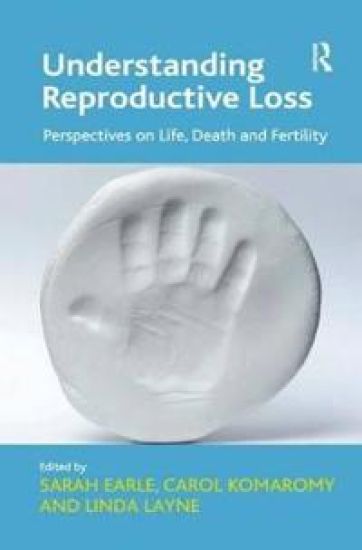
The study of human reproduction has focused on reproductive ’success’ and on the struggle to achieve this, rather than on the much more common experience of ’failure’, or reproductive loss. Drawing on the latest research from The UK and Europe, The United States, Australia and Africa, this volume examines the experience of reproductive loss in its widest sense to include termination of pregnancy, miscarriage, stillbirth, perinatal and infant death, as well as - more broadly - the loss of desired normative experiences such as that associated with infertility, assisted reproduction and the medicalisation of 'high risk' pregnancy and birth. Exploring the commonalities, as well as issues of difference and diversity, Understanding Reproductive Loss presents international work from a variety of multi-disciplinary perspectives and will appeal to sociologists, anthropologists and other social scientists with interests in medicine, health, the body, death studies and gender.