Kirjailija
Caroline Lockhart
Kirjat ja teokset yhdessä paikassa: 39 kirjaa, julkaisuja vuosilta 2007–2026, suosituimpiin kuuluu The Lady Doc (Cram Edition). Vertaile teosten hintoja ja tarkista saatavuus suomalaisista kirjakaupoista.
39 kirjaa
Kirjojen julkaisuvuodet: 2007–2026.
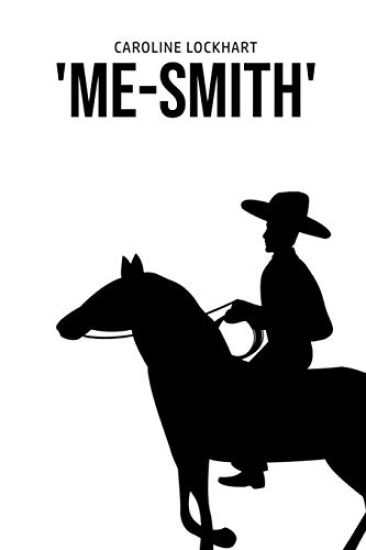
Do you want to read 'Me-Smith'? If so then keep reading... Following the publication of Owen Wister's The Virginian in 1902, Western novels became extremely popular, and several Montana women became successful genre writers. These writers, including Caroline Lockhart and Bertha Muzzy Sinclair Cowan (best known as B. M. Bower), drew inspiration from the life, land, and folklore of Montana. Their stories suggest the enduring place that Montana has in the imagined, symbolic West. They also reveal the role gender discrimination played in popular expectations about Westerns and their creators. Scholar Jane Tompkins has explored the power of the Western-both in novels and on film-in the American psyche. She argues, "The West functions as a symbol of freedom, and of the opportunity for conquest. It seems to offer escape from the condition of life in modern industrial society. . . . The creak of saddle leather and the sun beating down, the horses' energy and force-these things promise a translation of the self into something purer and more authentic, more intense, more real." This version of the West was decidedly masculine. And while largely mythic, it was an idea that was wildly popular-especially among the country's young men-from 1900 to 1975. What are you waiting for 'Me-Smith' is one click away, select the "Buy Now" button in the top right corner NOW
Book Excerpt: ...ago. Here, Windy"--addressing Tubbs--"tie this rope to the X, and make a knot that will hold." Illustration: "SHE'S A GAME KID, ALL RIGHT," SAID SMITH TO HIMSELF AT THE TOP OF THE HILL.]The girl's words and manner inspired confidence. Interest and relief were in the face of the little man standing at the side of the road." Now, Windy, hand me the rope. I'll take three turns around my saddle-horn, and when I say 'go' you see that your team get down in their collars.""She's a game kid, all right," said Smith to himself at the top of the hill. When the sorrel pony at the head of the team felt the rope grow taut on the saddle-horn, it lay down to its work. The grit and muscle of a dozen horses seemed concentrated in the little cayuse. It pulled until every vein and cord in its body appeared to stand out beneath its skin. It lay down on the rope until its chest almost touched the ground. There was a look of determination that was almost human in its bright, excited eyes as it...
Do you want to read 'Me-Smith'? If so then keep reading... Following the publication of Owen Wister's The Virginian in 1902, Western novels became extremely popular, and several Montana women became successful genre writers. These writers, including Caroline Lockhart and Bertha Muzzy Sinclair Cowan (best known as B. M. Bower), drew inspiration from the life, land, and folklore of Montana. Their stories suggest the enduring place that Montana has in the imagined, symbolic West. They also reveal the role gender discrimination played in popular expectations about Westerns and their creators. Scholar Jane Tompkins has explored the power of the Western--both in novels and on film--in the American psyche. She argues, "The West functions as a symbol of freedom, and of the opportunity for conquest. It seems to offer an escape from the condition of life in modern industrial society. . . . The creak of saddle leather and the sun beating down, the horses' energy and force--these things promise a translation of the self into something purer and more authentic, more intense, more real." This version of the West was decidedly masculine. And while largely mythic, it was an idea that was wildly popular--especially among the country's young men--from 1900 to 1975. What are you waiting for 'Me-Smith' is one click away, select the "Buy Now" button in the top right corner NOW
Smith, the title character of this unusual cowboy western is so good. He's not just a good bad guy, who wins your sympathy even while he breaks the law. He's rotten to the core and he shows his true colors from the opening chapter. Unlike almost any other western writer at the time, Lockhart gives us a thorough character study of a hateful man. Smith is not so much malevolent as supremely self-centered and indifferent to the welfare of others. With him, it's every man for himself and the devil take the hindmost.
Me-Smith: A classic Western by Caroline Lockhart. There is the cry of the coyote, the deadly thirst for revenge as it exists in
Caroline Lockhart
Independently Published
2019
nidottu