Kirjojen hintavertailu – 12 859 828 kirjaa ja 27 kauppaa

Kirjailija

Caroline Varin

Kirjat ja teokset yhdessä paikassa: 4 kirjaa, julkaisuja vuosilta 2014–2021, suosituimpiin kuuluu Violent Non-State Actors in Modern Conflict. Vertaile teosten hintoja ja tarkista saatavuus suomalaisista kirjakaupoista.

4 kirjaa

Kirjojen julkaisuvuodet: 2014–2021.

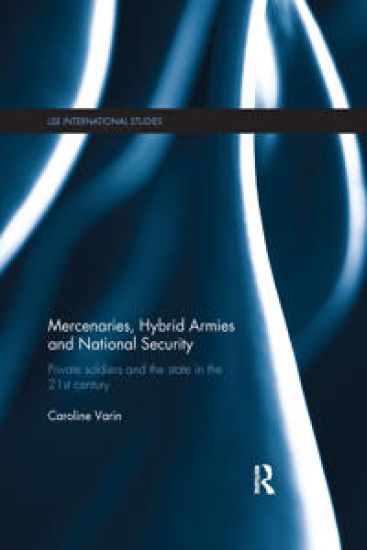
Mercenaries, Hybrid Armies and National Security
This book assesses the use of ‘mercenaries’ by states, and their integration into the national armed forces as part of a new hybridisation trend of contemporary armies. Governments, especially in the West, are undertaking an unprecedented wave of demilitarisation and military budget cuts. Simultaneously, these same governments are increasingly opening their armies up to foreign nationals and outsourcing military operations to private companies. This book explores the impact of this hybridisation on the values, cohesion and effectiveness of the armed forces by comparing and contrasting the experiences of the French Foreign Legion, private military companies in Angola, and the merging of private contractors and American troops in Iraq. Examining the employment of foreign citizens and private security companies as military forces and tools of foreign policy, and their subsequent impact on the national armed forces, the book investigates whether the difficulties of coordinating soldiers of various nationalities and allegiances within public-private joint military operations undermines the legitimacy of the state. Furthermore, the author questions whether this trend for outsourcing security can realistically provide a long term and positive contribution to national security. This book will be of much interest to students of private military companies, strategic studies, international security and IR in general.
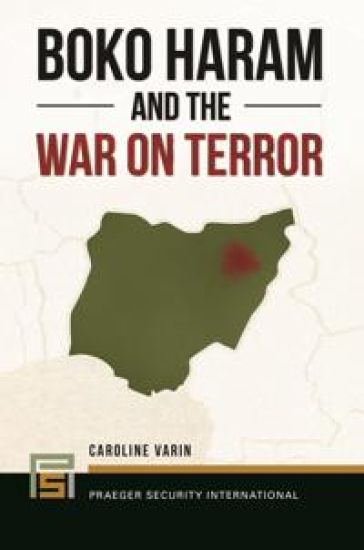
Boko Haram and the War on Terror

Boko Haram and the War on Terror

Caroline Varin

Praeger Publishers Inc
2016
sidottu
A comprehensive analysis of the rise of Boko Haram from a small religious cult to a major terrorist group, placing them within the context of Nigerian politics and the international War on Terror. In 2009, Nigerian security forces stormed a religious cult by the name of Boko Haram, killing its leader and thousands of followers. Six years later, Boko Haram is an enemy to reckon with, boasting 15,000 members and taking credit for 20,000 deaths. This book looks at the successful rise of this terrorist group, probing the religious and political environment that enabled a relatively small cult to threaten a nation. The study draws on the author's fieldwork in Nigeria, where she had access to officials, activists, psychologists, and military personnel. Written in a clear and accessible manner, it offers a micro-to-macro investigation of the Boko Haram as a phenomenon. It also provides readers with an understanding of the regional dynamics that obstructed political and military cooperation among neighboring countries, enabling Boko Haram's success. This book traces the group's religious origins in the early 2000s and documents its violent political claims in Nigeria and across the border in Northern Cameroon, Niger, and Chad. Finally, it examines the impact of the international War on Terror and presents a comparative study of other contemporary terrorism movements and their networks.

Mercenaries, Hybrid Armies and National Security
This book assesses the use of ‘mercenaries’ by states, and their integration into the national armed forces as part of a new hybridisation trend of contemporary armies. Governments, especially in the West, are undertaking an unprecedented wave of demilitarisation and military budget cuts. Simultaneously, these same governments are increasingly opening their armies up to foreign nationals and outsourcing military operations to private companies. This book explores the impact of this hybridisation on the values, cohesion and effectiveness of the armed forces by comparing and contrasting the experiences of the French Foreign Legion, private military companies in Angola, and the merging of private contractors and American troops in Iraq. Examining the employment of foreign citizens and private security companies as military forces and tools of foreign policy, and their subsequent impact on the national armed forces, the book investigates whether the difficulties of coordinating soldiers of various nationalities and allegiances within public-private joint military operations undermines the legitimacy of the state. Furthermore, the author questions whether this trend for outsourcing security can realistically provide a long term and positive contribution to national security. This book will be of much interest to students of private military companies, strategic studies, international security and IR in general.