Kirjojen hintavertailu – 12 903 724 kirjaa ja 27 kauppaa

Kirjailija

Carolyn Gelenter

Kirjat ja teokset yhdessä paikassa: 4 kirjaa, julkaisuja vuosilta 2012–2024, suosituimpiin kuuluu Teaching Protective Behaviours to Young Children. Vertaile teosten hintoja ja tarkista saatavuus suomalaisista kirjakaupoista.

4 kirjaa

Kirjojen julkaisuvuodet: 2012–2024.

Teaching Protective Behaviours to Young Children

Teaching Protective Behaviours to Young Children

Carolyn Gelenter; Rachel Bailey; Belinda Riley

TAYLOR FRANCIS LTD
2024
sidottu
This teaching resource provides staff in education settings with a comprehensive way of supporting children, aged 4-9, to learn that they have a right to feel safe and can talk with someone about anything, even if it feels awful or small. Fully revised and updated, this second edition provides a practical application of the Protective Behaviours framework, including suggested session plans and accompanying resources. The book explores a range of situations that are faced by children and teaches them to develop a practical understanding of how to reflect on feelings, take safe risks, make responsible choices, and problem solve if they do find themselves in a situation that is uncomfortable or unsafe. The book:Enables children to develop an awareness of what 'safe' feels like both emotionally and physically. Empowers children to know and understand that they have the right to consent, even from a young age, and that there are strategies for getting help if needed. Gives children the skills to understand their feelings, thoughts and behaviours, and to make informed decisions based on their understanding of protective behaviours. Supports children to identify safe adults and to build a safety network. Provides guidance for children with varying communication abilities to communicate about their safety in multi-sensory ways. Includes ideas to share with parents/carers and questions for adults to think about their own learning and practices. This new edition helps supporting adults teach sessions within an open time frame, offering ideas that can be embedded beyond the classroom, into the culture of the setting or school, and into everyday practice with children. This resource is an essential tool for staff in early years and primary settings, as well as other professionals supporting young children with safety.
Teaching Protective Behaviours to Young Children

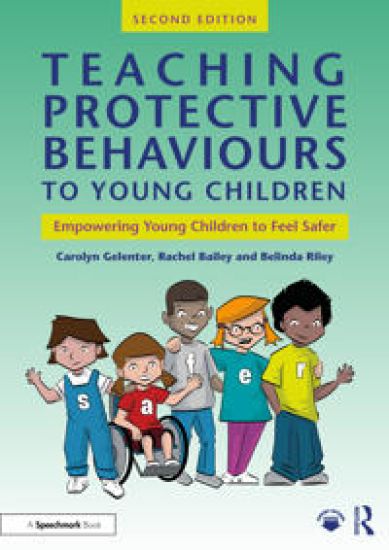
Teaching Protective Behaviours to Young Children

Carolyn Gelenter; Rachel Bailey; Belinda Riley

TAYLOR FRANCIS LTD
2024
nidottu
This teaching resource provides staff in education settings with a comprehensive way of supporting children, aged 4-9, to learn that they have a right to feel safe and can talk with someone about anything, even if it feels awful or small. Fully revised and updated, this second edition provides a practical application of the Protective Behaviours framework, including suggested session plans and accompanying resources. The book explores a range of situations that are faced by children and teaches them to develop a practical understanding of how to reflect on feelings, take safe risks, make responsible choices, and problem solve if they do find themselves in a situation that is uncomfortable or unsafe. The book:Enables children to develop an awareness of what 'safe' feels like both emotionally and physically. Empowers children to know and understand that they have the right to consent, even from a young age, and that there are strategies for getting help if needed. Gives children the skills to understand their feelings, thoughts and behaviours, and to make informed decisions based on their understanding of protective behaviours. Supports children to identify safe adults and to build a safety network. Provides guidance for children with varying communication abilities to communicate about their safety in multi-sensory ways. Includes ideas to share with parents/carers and questions for adults to think about their own learning and practices. This new edition helps supporting adults teach sessions within an open time frame, offering ideas that can be embedded beyond the classroom, into the culture of the setting or school, and into everyday practice with children. This resource is an essential tool for staff in early years and primary settings, as well as other professionals supporting young children with safety.
Teaching Protective Behaviours to Young Children

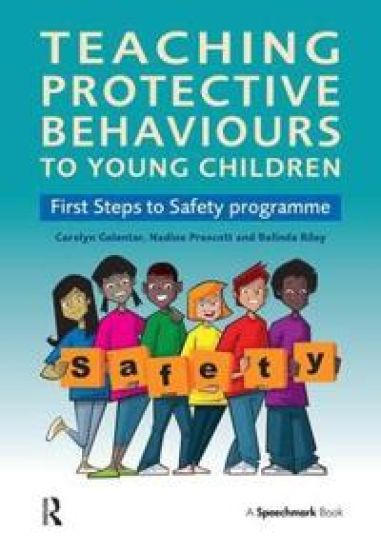
Teaching Protective Behaviours to Young Children

Carolyn Gelenter; Nadine Prescott; Belinda Riley

Speechmark Publishing Ltd
2013
nidottu
This programme aims to provide children aged 4-7 years with awareness and strategies for keeping safe. Although it may be difficult to accept, children and young people from any community, including those with disabilities, can be put at risk of harm, abused or hurt, regardless of their age, gender, religion or ethnicity. All children have the right to be safeguarded from abuse or neglect so they have the opportunity to reach their potential and be successful adults. Protective behaviours teaches children to develop an awareness of personal safety; helps them to identify and express their feelings; make choices and solve problems. First Steps to Safety has taken the core protective behaviour principles and created a teaching framework with overarching aims, with supporting lesson plans, resources and activities, in a 10 week programme that can be picked up and used by anyone in school wanting to empower children and young people of any age and any capability to develop personal safety. The information and strategies provided to children are generic and applicable across a range of situations that may arise, for example bullying, internet safety, being harmed, feeling sad or feeling unsafe. Sessions include:my body partsshowing my feelingsmy body, thoughts and feelings all go togetherfeeling safebehaviour choicesto empower children to feel safe and know they have a right to fee safeto give children the confidence and ability to assertively manage their own safetyto teach children the skills to take responsibility for their own bodies, thoughts, feelings and behaviourto enable children with a range of communication abilities to ask for helpfor children to have awareness of their body, thoughts, feelings and behaviourhave a vocabulary to express how their thoughts and feelings affect their bodiesknow the early warning signs for feeling unsafeknow they can make different behaviour choices based on feelingsknow who good people are to go to for help and how to ask for help.
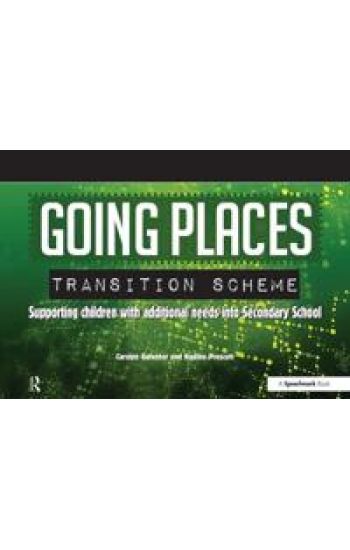
Going Places Transition Scheme

Going Places Transition Scheme

Carolyn Gelenter; Nadine Prescott

Speechmark Publishing Ltd
2012
nidottu
Designed to support children with additional needs into their first year of secondary school in a safe and confident way, this resource provides all that is needed for schools to achieve a successful transition for all their children. The resource will give the students an opportunity to: become familiar with the layout of their new school; feel confident and safe about attending secondary school; become familiar with other students who will be attending their new school; and develop coping strategies to support their transition. Sessions include: Eating lunch, Secondary school lessons, Keeping safe and home-school links. Templates for timetables, games, charts, certificates and other resources are provided on the accompanying downloadable resources.