Kirjailija
Cassia Harvey
Kirjat ja teokset yhdessä paikassa: 237 kirjaa, julkaisuja vuosilta 2012–2026, suosituimpiin kuuluu C Major Shifting for the Viola. Vertaile teosten hintoja ja tarkista saatavuus suomalaisista kirjakaupoista.
237 kirjaa
Kirjojen julkaisuvuodet: 2012–2026.
Three-Octave Scales for Cello Book One teaches the major and minor scales on the cello along with shifting exercises and studies to increase speed. The book is helpful in preparing students for auditions and for teaching precision in scale shifting. Teachers can use this book as a complete scale manual after The Two Octaves Book for Cello. This book, along with companion books Scale Studies for the Third Octave for the Cello and Arpeggio Studies in Three Octaves for the Cello, is a great staple in any intermediate or advanced cellist's practice routine.
This book is an introductory violin method for the absolute beginner. Starting with open string letters and songs with simple finger numbers, the book progresses to short exercises and familiar songs with large, easy-to-read notes to get the student to play as much as possible. Useful for all ages, Learning the Violin, Book One is especially helpful with younger beginners or students who struggle with note-reading. This book can be studied in private lessons, in single-string classes, or in mixed-string classes, along withLearning the Viola, Book One, Learning the Cello, Book One, and Learning the Bass, Book One. A Score and Piano Accompaniment is also available. This book could be studied along with The Open String Book for Violin and could be followed by Learning the Violin, Book Two.
Finger Exercises for the Violin, Book One presents a series of exercises that train the beginning violinist's left hand in strength and agility in first position. With sections that focus on "high second finger," "low second finger," and "high third finger," these studies are a great way to build muscle memory and work on intonation. This book can be followed by Finger Exercises for the Violin, Book Two.
The Two Octaves Book for Viola is a complete study of major and minor scales, arpeggios, and broken thirds in two octaves. It includes numerous bowing and rhythmic variations to train both the left and right hands for the intermediate violist, bringing a challenging variety to daily practice. Combined with a shifting book such as Serial Shifting for the Viola, this book can help violists home their technique to easily surmount the difficulties found in intermediate repertoire.
Broken Thirds (One String) for the Cello, Book Two
Cassia Harvey
C. Harvey Publications
2018
pokkari
Are you an advanced cellist looking for more intensive warm-ups? Are you looking for technical studies that take you beyond scales? This book can help With studies on broken thirds up a single string, this book can help you shift better, develop muscle memory, and build a mental map of the entire fingerboard. While scales are the basis of cello technique, they only teach shifts of notes in order (for instance, A to B, or D to F). This book helps you study the slightly larger shifts that are found in such pieces as the Haydn Concerto in D Major.
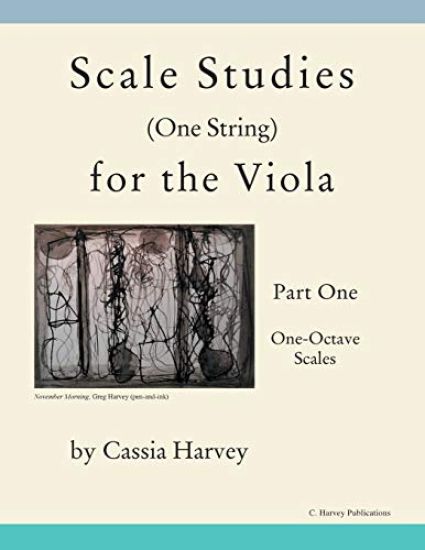
Scale Studies (One String) for the Viola, Part One
Cassia Harvey; Myanna Harvey
C. Harvey Publications
2018
pokkari
Scale Studies for the Viola, Part One intersperses scales up each of the four strings with variations and scale-based patterns and exercises. Studies on both major and minor scales are included, and the scales reach eighth position, with a focus on third and fifth positions. The book provides the late-intermediate or early-advanced violist with essential daily technique and helps them build a mental map of the higher positions of the fingerboard. This book could be studied along with Serial Shifting for the Viola.
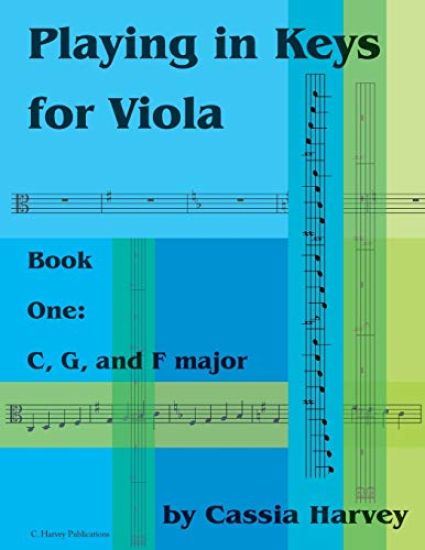
Do you struggle to remember sharps and flats while you are playing? Do you wish you had better muscle memory for finger positions? This book can help By focusing on the finger positions in each key that are hard to remember (for instance, high or low 2nd finger on each string), this book gives you a deep knowledge of how to play in each key. Sharps and flats are presented as vocabulary in the language of music that you are learning along with your instrument. With carefully graded exercises and short pieces, this book is a valuable addition to the first position viola repertoire, giving teachers and students a much-needed tool for teaching and learning to play in key signatures. Playing in Keys for Viola, Book One is appropriate for late-beginning and early-intermediate viola students, as well as adult learners. This book can work well with Getting In Shape for Viola, Book One and Warming Up for Viola, Book One.
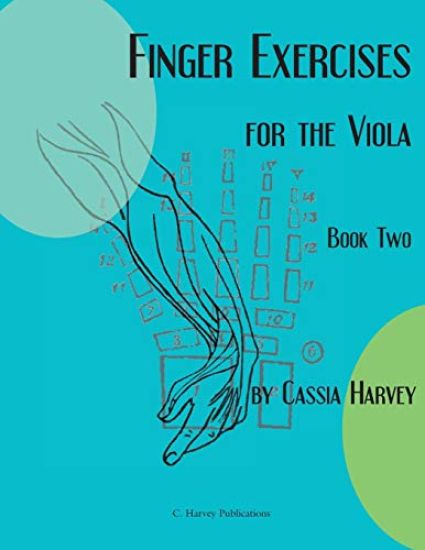
Do you want faster fingers and better intonation? Do you want to improve muscle memory and overall facility on the viola? This book can help Using eight separate sections, this book gives you short warm-up exercises that focus on specific finger patterns. The overall focus of the book is on high and low first finger and high and low fourth finger. All of the exercises are in first position. These studies will help you prepare for the complicated finger patterns in repertoire and pieces and will help you develop faster fingers on the viola. Improve your viola playing today with these essential technical studies
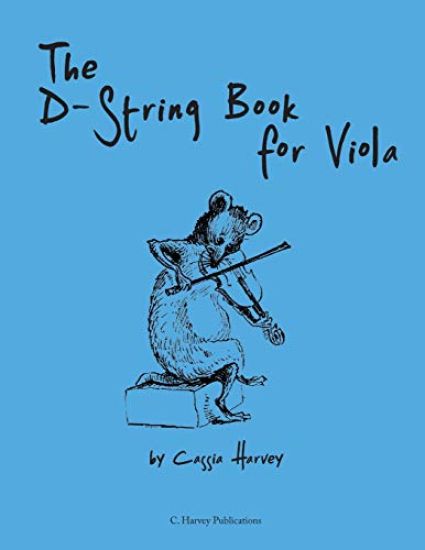
This book teaches and uses only the notes on the viola D string. Using exercises and carefully chosen short pieces, viola students are carefully guided through basic note-reading and playing starting with just one note and adding one note at a time. This book is especially helpful as a note-reading method for younger students or as a supplement for older students who struggle to read notes. The book could be studied after The A-String Book for Viola, studied along with Learning the Viola, Book One, and could be followed by Playing the Viola, Book One.
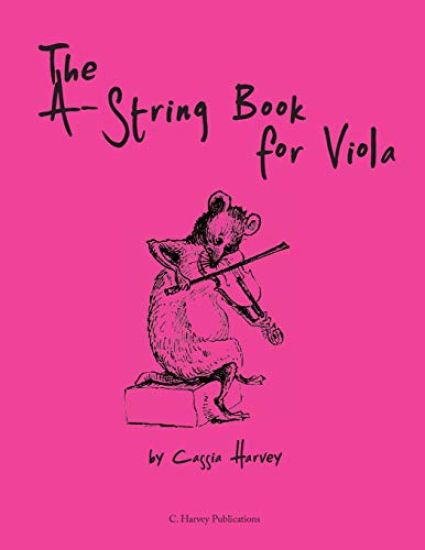
This book teaches and uses only the notes on the viola A string. Using exercises and carefully chosen short pieces, viola students are carefully guided through basic note-reading and playing starting with just one note and adding one note at a time. This book is especially helpful as a note-reading method for younger students or as a supplement for older students who struggle to read notes. The book could be studied along with The Open-String Book for Viola and Learning the Viola, Book One, and could be followed by The D-String Book for Viola.
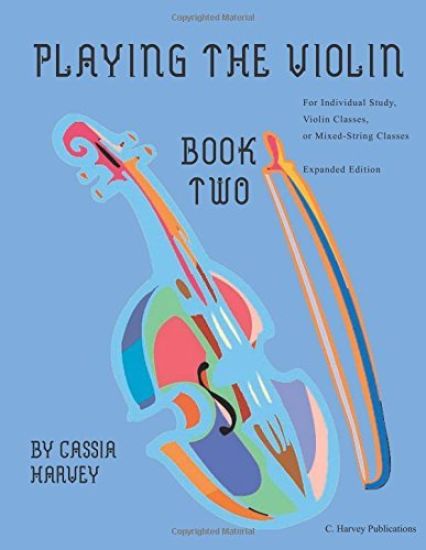
Playing the Violin, Book Two combines catchy, enjoyable songs with easy exercises to help the beginning violin student play as much as possible. With exercises for agility and finger patterns, this book helps train students in essential technique, while at the same time introducing students to violin fiddle tunes, classical pieces, and folk melodies. The aim of Playing the Violin, Book Two is to help the student with reading and playing skills, developing fluency that can help them in playing orchestra or solo music. With its emphasis on playable, fun tunes, this is a great supplement to other methods or studies This book can be studied in private lessons, in violin classes, or in mixed string classes, along with Playing the Viola, Book Two and Playing the Cello, Book Two. This book could be played after Playing the Violin, Book One and followed by Getting in Shape for Violin.
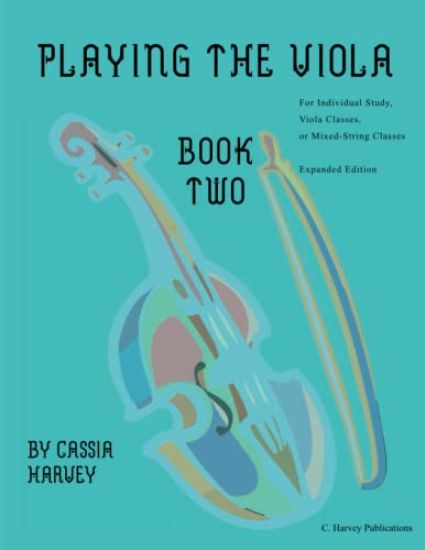
Written to follow Playing the Viola, Book One, this book combines catchy, enjoyable songs with easy exercises to help the beginning viola student play as much as possible. With exercises for agility and finger patterns, this book helps train students in essential technique, while at the same time introducing students to viola fiddle tunes, classical pieces, and folk melodies. The aim of Playing the Viola, Book Two is to help the student with reading and playing skills, developing fluency that can help them in playing orchestra or solo music. With its emphasis on playable, fun tunes, this is a great supplement to other methods or studies This book can be studied in private lessons, in viola classes, or in mixed string classes, along with Playing the Violin, Book Two and Playing the Cello, Book Two. This book could be followed by Getting in Shape for Viola.
Written to follow Playing the Cello, Book One, this book combines catchy, enjoyable songs with easy exercises to help the early-intermediate cello student play as much as possible. With exercises for agility and finger patterns, this book helps train students in essential technique, while at the same time introducing students to cello fiddle tunes, classical pieces, and folk melodies. The aim of Playing the Cello, Book Two is to help the student with reading and playing skills, developing fluency that can help them in playing orchestra or solo music. With its emphasis on playable, fun tunes, this is a great supplement to other methods or studies This book can be studied in private lessons, in cello classes, or in mixed string classes, along with Playing the Violin, Book Two and Playing the Viola, Book Two. This book could be studied along with Fourth Position Preparatory Studies for the Cello and could be followed by Getting in Shape for Cello.
The Popper High School Study Book for Cello, Volume Two
Cassia Harvey; David Popper
C. Harvey Publications
2017
pokkari
Halvin toimitettuna 22,20 €
The Popper High School Study Book for Cello, Volume Two presents exercises and studies to help cellists learn and perfect Etudes Six through Ten in David Popper's High School of Cello Playing, Op. 73. Each etude is broken down into short sections and taught. Difficulties such as shifts and string crossing are approached from a variety of perspectives, giving the cellist ultimate mastery over these cello etudes that are so essential to advanced study. The etudes studied in this volume are presented in their entirety at the end of the book. This book could be followed by The Popper High School Study Book, Volume Three.
This book teaches the fourth position on the viola through exercises and relevant short pieces, each designed to teach a specific concept. The book is a step-by-step method for introducing a student to fourth position in the least daunting way. With a systematic approach through the various finger spacing patterns and a focus on specific shifting techniques, Fourth Position for the Viola is a valuable addition to the viola teaching repertoire. This book can be studied along with C Major Shifting for the Viola and Serial Shifting for the Viola.
Three-Octave Scales for the Cello, Book Four presents advanced scale studies in all major and minor keys. From staccato and spiccato to double stops and rhythms, cello technique is explored in numerous studies that will keep practice sessions both interesting and efficient. The companion book to Three-Octave Scales for the Cello, Book Three, this volume is another highly varied compendium of cello scale technique.
The Popper High School Study Book for Cello, Volume One
Cassia Harvey; David Popper
C. Harvey Publications
2016
pokkari
Halvin toimitettuna 22,20 €
The Popper High School Study Book for Cello, Volume One presents exercises and studies to help cellists learn and perfect Etudes One through Five in David Popper's High School of Cello Playing, Op. 73. Each etude is broken down into short sections and taught. Difficulties such as shifts and string crossing are approached from a variety of perspectives, giving the cellist ultimate mastery over these cello etudes that are so essential to advanced study. The etudes studied in this volume are presented in their entirety at the end of the book. This book could be followed by The Popper High School Study Book, Volume Two.
This book provides the advanced cellist with a new set of essential daily studies in thumb position. Each short exercise moves through six keys so the spaces can be learned in a variety of positions. Thumb Position Studies for the Cello, Book Seven covers stretching and extending out of thumb position.