Kirjojen hintavertailu – 12 859 818 kirjaa ja 27 kauppaa

Kirjailija

Catherine Dauvergne

Kirjat ja teokset yhdessä paikassa: 8 kirjaa, julkaisuja vuosilta 2005–2018, suosituimpiin kuuluu Glänta 1(2014) Migration 1. Vertaile teosten hintoja ja tarkista saatavuus suomalaisista kirjakaupoista.

8 kirjaa

Kirjojen julkaisuvuodet: 2005–2018.

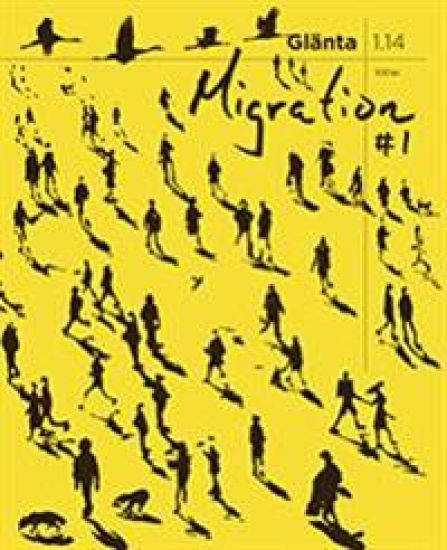
Glänta 1(2014) Migration 1

Glänta 1(2014) Migration 1

Eve Geddie; Hanna Nyberg; Johan Ahlbäck; Adrian Paci; Kristina Hultegård; Eva Tind; Hanna Nordenhök; Bella Batistini; Philippe Rekacewicz; Pontus Eriksson; Johannes Björk; Jacques Rancière; Cecilia Parsberg; Lina Ekdahl; Claus Leggewie; Jean-Christophe Servant; Patricia Lorenzoni; Catherine Dauvergne

Glänta
2014
lehtivihko, moniste
I det första av Gläntas tre nummer helt ägnade åt migration tar vi oss an den europeiska gränspolitiken, statlig rasism, grekisk flyktingpolitik, hetsjakten på mårdhund, ?fri? rörlighet vs ?illegal? migration, migrerande moderskroppar, resan till faderns land, asylintervjuns baklängesberättelse, vem som tjänar mest på migrationsbusinessen och mycket mer.

The New Politics of Immigration and the End of Settler Societies

The New Politics of Immigration and the End of Settler Societies

Catherine Dauvergne

Cambridge University Press
2016
sidottu
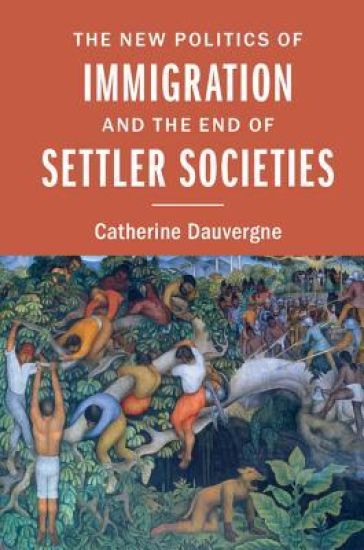
Over the past decade, a global convergence in migration policies has emerged, and with it a new, mean-spirited politics of immigration. It is now evident that the idea of a settler society, previously an important landmark in understanding migration, is a thing of the past. What are the consequences of this shift for how we imagine immigration? And for how we regulate it? This book analyzes the dramatic shift away from the settler society paradigm in light of the crisis of asylum, the fear of Islamic fundamentalism, and the demise of multiculturalism. What emerges is a radically original take on the new global politics of immigration that can explain policy paralysis in the face of rising death tolls, failing human rights arguments, and persistent state desires to treat migration as an economic calculus.
The New Politics of Immigration and the End of Settler Societies

The New Politics of Immigration and the End of Settler Societies

Catherine Dauvergne

Cambridge University Press
2016
pokkari
Over the past decade, a global convergence in migration policies has emerged, and with it a new, mean-spirited politics of immigration. It is now evident that the idea of a settler society, previously an important landmark in understanding migration, is a thing of the past. What are the consequences of this shift for how we imagine immigration? And for how we regulate it? This book analyzes the dramatic shift away from the settler society paradigm in light of the crisis of asylum, the fear of Islamic fundamentalism, and the demise of multiculturalism. What emerges is a radically original take on the new global politics of immigration that can explain policy paralysis in the face of rising death tolls, failing human rights arguments, and persistent state desires to treat migration as an economic calculus.
Making People Illegal

Making People Illegal

Catherine Dauvergne

Cambridge University Press
2009
pokkari
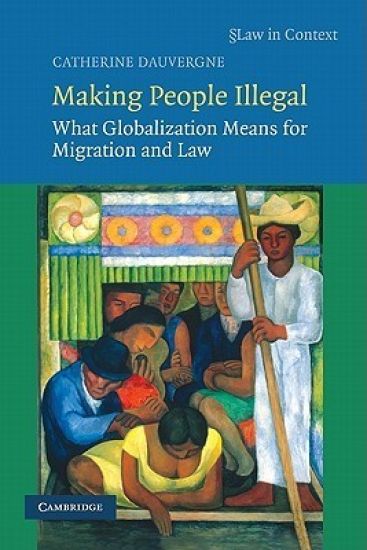
This book examines the relationship between illegal migration and globalization. Under the pressures of globalizing forces, migration law is transformed into the last bastion of sovereignty. This explains the worldwide crackdown on extra-legal migration and informs the shape this crackdown is taking. It also means that migration law reflects key facets of globalization and addresses the central debates of globalization theory. This book looks at various migration law settings, asserting that differing but related globalization effects are discernible at each location. The 'core samples' interrogated in the book are drawn from refugee law, illegal labor migration, human trafficking, security issues in migration law, and citizenship law. Special attention is paid to the roles played by the European Union and the United States in setting the terms of global engagement. The book's conclusion considers what the rule of law contributes to transformed migration law.
Making People Illegal

Making People Illegal

Catherine Dauvergne

Cambridge University Press
2008
sidottu
This book examines the relationship between illegal migration and globalization. Under the pressures of globalizing forces, migration law is transformed into the last bastion of sovereignty. This explains the worldwide crackdown on extra-legal migration and informs the shape this crackdown is taking. It also means that migration law reflects key facets of globalization and addresses the central debates of globalization theory. This book looks at various migration law settings, asserting that differing but related globalization effects are discernible at each location. The 'core samples' interrogated in the book are drawn from refugee law, illegal labor migration, human trafficking, security issues in migration law, and citizenship law. Special attention is paid to the roles played by the European Union and the United States in setting the terms of global engagement. The book's conclusion considers what the rule of law contributes to transformed migration law.
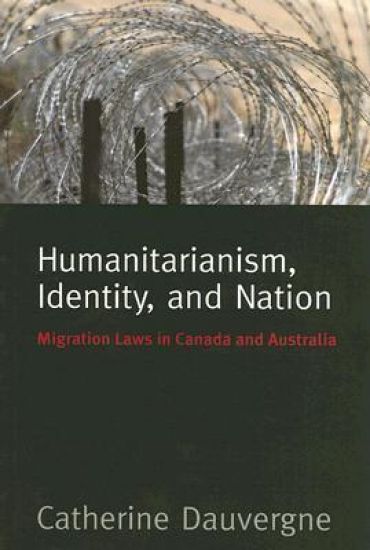
Humanitarianism, Identity, and Nation

Humanitarianism, Identity, and Nation

Catherine Dauvergne

University of British Columbia Press
2005
pokkari
Refugees are on the move around the globe. Prosperous nations are rapidly adjusting their laws to crack down on the so-called "undeserving." Australia and Canada have each sought international reputations as humanitarian do-gooders, especially in the area of refugee admissions. Humanitarianism, Identity, and Nation traces the connections between the nation-building tradition of immigration and the challenge of admitting people who do not reflect the national interest of the twenty-first century. Catherine Dauvergne argues that in the absence of the justice standard for admitting newcomers, liberal nations instead share a humanitarian consensus about letting in needy outsiders. This consensus constrains and shapes migration law and policy. In a detailed consideration of how refugees and others in need are admitted to Australia and Canada, she links humanitarianism and national identity to explain the current shape of the law. If the problems of immigration policy were all about economics, future directions would be easy to map. If rights could trump sovereignty, refugee admission would be straightforward. But migration politics has never been simple. Humanitarianism, Identity, and Nation is a welcome antidote to economic critiques of immigration, and a thoughtful contribution to rights talk. It is a must-read for everyone interested in transforming migration laws to meet the needs of the twenty-first century.
Humanitarianism, Identity, and Nation

Humanitarianism, Identity, and Nation

Catherine Dauvergne

University of British Columbia Press
2005
sidottu
Refugees are on the move around the globe. Prosperous nations are rapidly adjusting their laws to crack down on the so-called "undeserving." Australia and Canada have each sought international reputations as humanitarian do-gooders, especially in the area of refugee admissions. Humanitarianism, Identity, and Nation traces the connections between the nation-building tradition of immigration and the challenge of admitting people who do not reflect the national interest of the twenty-first century. Catherine Dauvergne argues that in the absence of the justice standard for admitting newcomers, liberal nations instead share a humanitarian consensus about letting in needy outsiders. This consensus constrains and shapes migration law and policy. In a detailed consideration of how refugees and others in need are admitted to Australia and Canada, she links humanitarianism and national identity to explain the current shape of the law. If the problems of immigration policy were all about economics, future directions would be easy to map. If rights could trump sovereignty, refugee admission would be straightforward. But migration politics has never been simple. Humanitarianism, Identity, and Nation is a welcome antidote to economic critiques of immigration, and a thoughtful contribution to rights talk. It is a must-read for everyone interested in transforming migration laws to meet the needs of the twenty-first century.