Kirjojen hintavertailu – 12 903 735 kirjaa ja 27 kauppaa

Kirjailija

Catherine M Mooney

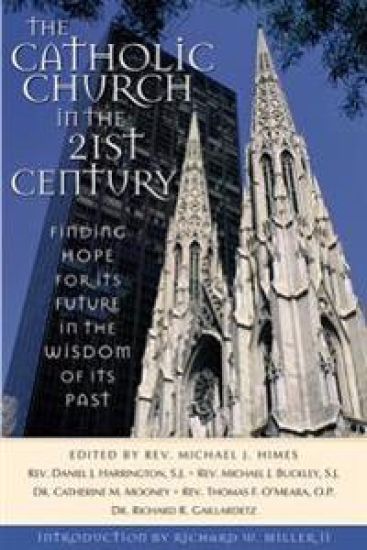
Kirjat ja teokset yhdessä paikassa: 4 kirjaa, julkaisuja vuosilta 2005–2021, suosituimpiin kuuluu The Catholic Church in the Twenty-First Century. Vertaile teosten hintoja ja tarkista saatavuus suomalaisista kirjakaupoista.

Nimi esiintyy myös muodoissa: Catherine M. Mooney

4 kirjaa

Kirjojen julkaisuvuodet: 2005–2021.

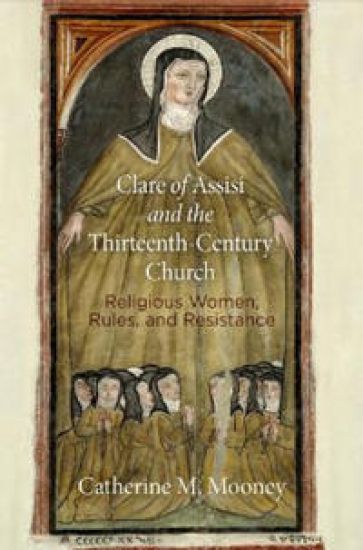
Clare of Assisi and the Thirteenth-Century Church

Clare of Assisi and the Thirteenth-Century Church

Catherine M. Mooney

University of Pennsylvania Press
2021
pokkari
In a work based on a meticulous analysis of sources, many of them previously unexplored, Catherine M. Mooney upends the received account of Clare of Assisi's founding of the Order of San Damiano, or Poor Clares. Mooney offers instead a stark counternarrative: Clare, her sisters of San Damiano, and their allies struggled against a papal program bent on regimenting, enriching, and enclosing religious women in the thirteenth century, a program that proved largely successful. Mooney demonstrates that Clare (1194-1253) established a single community that was soon cajoled, perhaps even coerced, into joining an order previously founded by the papacy. Artfully renaming it after Clare's San Damiano with Clare as its putative mother, Pope Gregory IX enhanced his order's cachet by associating it also with Clare's famous friend, Francis of Assisi. Mooney traces how Clare and her allies in other houses attempted to follow Francis's directives rather than the pope's, divested themselves of property against the pope's orders, and organized in an attempt to change papal rule; and she shows how, after Francis's death, the women's relationships with the Franciscans themselves grew similarly fraught. Clare's pursuit of her vision proved relentless: at the time of her death, she newly identified her community as the Order of Poor Sisters and allied it unambiguously with Francis and his friars. Overturning another myth, Mooney reveals how only in the late nineteenth century did Clare come to be known as the sole author of a rule she had written collaboratively with others. Throughout, the story of Clare and her sisters emerges as a chapter in the long history of women who tried to define their religious identities within a Church more committed to unity and conformity than to diversity and difference.
Clare of Assisi and the Thirteenth-Century Church

Clare of Assisi and the Thirteenth-Century Church

Catherine M. Mooney

University of Pennsylvania Press
2016
sidottu
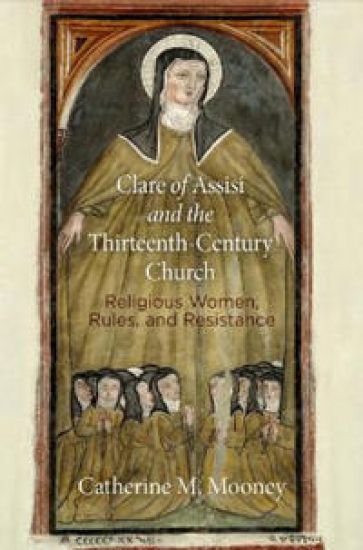
In a work based on a meticulous analysis of sources, many of them previously unexplored, Catherine M. Mooney upends the received account of Clare of Assisi's founding of the Order of San Damiano, or Poor Clares. Mooney offers instead a stark counternarrative: Clare, her sisters of San Damiano, and their allies struggled against a papal program bent on regimenting, enriching, and enclosing religious women in the thirteenth century, a program that proved largely successful. Mooney demonstrates that Clare (1194-1253) established a single community that was soon cajoled, perhaps even coerced, into joining an order previously founded by the papacy. Artfully renaming it after Clare's San Damiano with Clare as its putative mother, Pope Gregory IX enhanced his order's cachet by associating it also with Clare's famous friend, Francis of Assisi. Mooney traces how Clare and her allies in other houses attempted to follow Francis's directives rather than the pope's, divested themselves of property against the pope's orders, and organized in an attempt to change papal rule; and she shows how, after Francis's death, the women's relationships with the Franciscans themselves grew similarly fraught. Clare's pursuit of her vision proved relentless: at the time of her death, she newly identified her community as the Order of Poor Sisters and allied it unambiguously with Francis and his friars. Overturning another myth, Mooney reveals how only in the late nineteenth century did Clare come to be known as the sole author of a rule she had written collaboratively with others. Throughout, the story of Clare and her sisters emerges as a chapter in the long history of women who tried to define their religious identities within a Church more committed to unity and conformity than to diversity and difference.
Philippine Duchesne

Philippine Duchesne

Catherine M Mooney

Wipf Stock Publishers
2007
pokkari
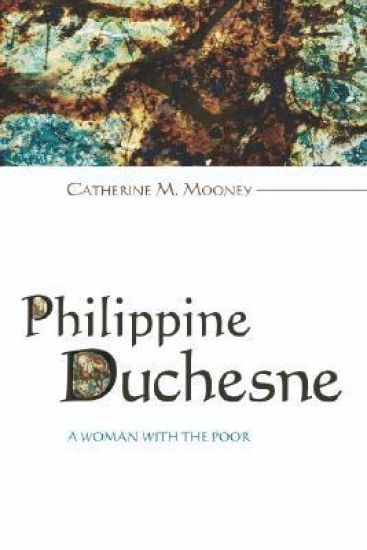
Philippine Duchesne has a message for today's world in which the rich seem to be growing richer and the poor to be growing poorer. It is a message of justice and love for all people. It was for this conviction that Philippine, a Religious of the Sacred Heart missionary, became the fourth United States saint in 1988. This book is a bold historical biography of a remarkable woman who struggled her entire life to enflesh God's love and care in human situations. It opens with a critical discussion and forthright examination of how class, gender, and race have been influential factors in the selection of saints, and then details Philippine's life with its many failures and many achievements. It shows how this wealthy woman who belonged to a politically prominent French family decided to dedicate her life and gifts to the poor. It examines her difficulties as Sacred Heart's first missionary in the new world and it tells how this courageous pioneer woman provided free education for those who had long been denied the privilege--young women, the poor, and native Americans. This eminently readable biography provides a clear and scholarly assessment of Duchesne's religious and social world that is ideal for students and professors of U. S. church history. It raises important questions about women, the poor, and marginalized groups in Duchesne's time that are still pertinent to ask today.