Kirjojen hintavertailu – 12 903 724 kirjaa ja 27 kauppaa

Kirjailija

Catherine Strong

Kirjat ja teokset yhdessä paikassa: 6 kirjaa, julkaisuja vuosilta 2011–2023, suosituimpiin kuuluu Grunge: Music and Memory. Vertaile teosten hintoja ja tarkista saatavuus suomalaisista kirjakaupoista.

6 kirjaa

Kirjojen julkaisuvuodet: 2011–2023.

Music City Melbourne

Music City Melbourne

Shane Homan; Seamus O’Hanlon; Catherine Strong; John Tebbutt

BLOOMSBURY PUBLISHING PLC
2023
nidottu
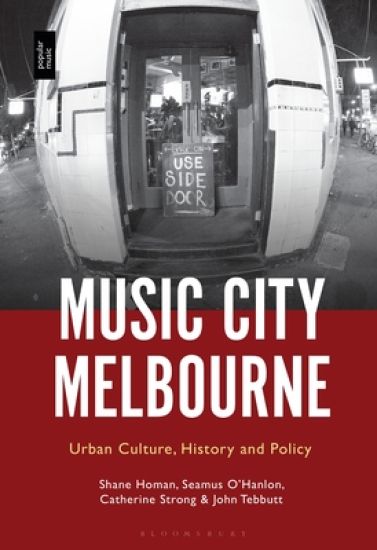
How did Melbourne earn its place as one of the world’s ‘music cities’? Beginning with the arrival of rock ‘n’ roll in the 1950s, this book explores the development of different sectors of Melbourne’s popular music ecosystem in parallel with broader population, urban planning and media industry changes in the city. The authors draw on interviews with Melbourne musicians, venue owners and policy-makers, documenting their ambitions and experiences across different periods, with accompanying spotlights on the gendered, multicultural and indigenous contexts of playing and recording in Melbourne. Focusing on pop and rock, this is the first book to provide an extensive historical lens of popular music within an urban cultural economy that in turn investigates the contemporary nature and challenges of urban music activities and policy.
Music City Melbourne

Music City Melbourne

Shane Homan; Seamus O’Hanlon; Catherine Strong; John Tebbutt

Bloomsbury Academic USA
2021
sidottu
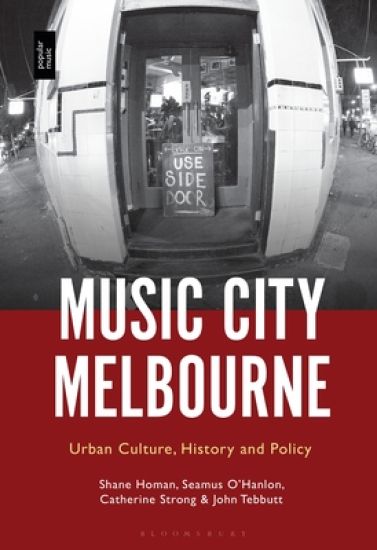
How did Melbourne earn its place as one of the world’s ‘music cities’? Beginning with the arrival of rock ‘n’ roll in the 1950s, this book explores the development of different sectors of Melbourne’s popular music ecosystem in parallel with broader population, urban planning and media industry changes in the city. The authors draw on interviews with Melbourne musicians, venue owners and policy-makers, documenting their ambitions and experiences across different periods, with accompanying spotlights on the gendered, multicultural and indigenous contexts of playing and recording in Melbourne. Focusing on pop and rock, this is the first book to provide an extensive historical lens of popular music within an urban cultural economy that in turn investigates the contemporary nature and challenges of urban music activities and policy.
Death and the Rock Star

Death and the Rock Star

Catherine Strong; Barbara Lebrun

Routledge
2020
nidottu
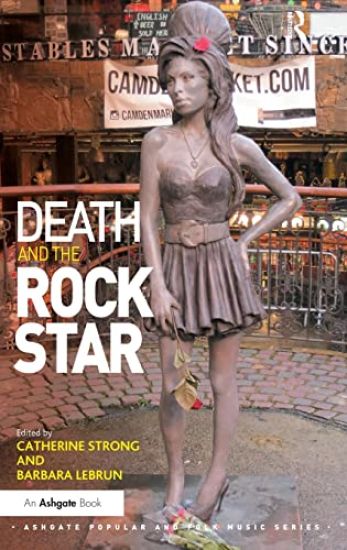
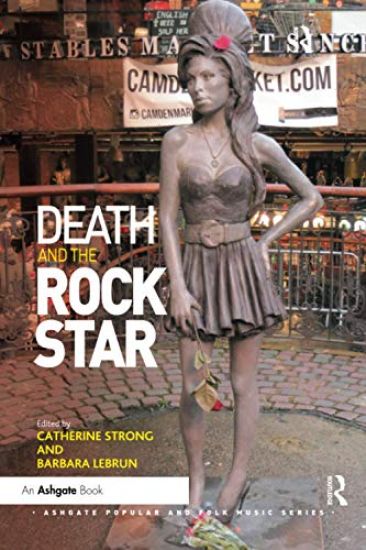
The untimely deaths of Amy Winehouse (2011) and Whitney Houston (2012), and the ’resurrection’ of Tupac Shakur for a performance at the Coachella music festival in April 2012, have focused the media spotlight on the relationship between popular music, fame and death. If the phrase ’sex, drugs and rock’n’roll’ ever qualified a lifestyle, it has left many casualties in its wake, and with the ranks of dead musicians growing over time, so the types of death involved and the reactions to them have diversified. Conversely, as many artists who fronted the rock’n’roll revolution of the 1950s and 1960s continue to age, the idea of dying young and leaving a beautiful corpse (which gave rise, for instance, to the myth of the ’27 Club’) no longer carries the same resonance that it once might have done. This edited collection explores the reception of dead rock stars, ’rock’ being taken in the widest sense as the artists discussed belong to the genres of rock’n’roll (Elvis Presley), disco (Donna Summer), pop and pop-rock (Michael Jackson, Whitney Houston, Amy Winehouse), punk and post-punk (GG Allin, Ian Curtis), rap (Tupac Shakur), folk (the Dutchman André Hazes) and ’world’ music (Fela Kuti). When music artists die, their fellow musicians, producers, fans and the media react differently, and this book brings together their intertwining modalities of reception. The commercial impact of death on record sales, copyrights, and print media is considered, and the different justifications by living artists for being involved with the dead, through covers, sampling and tributes. The cultural representation of dead singers is investigated through obituaries, biographies and biopics, observing that posthumous fame provides coping mechanisms for fans, and consumers of popular culture more generally, to deal with the knowledge of their own mortality. Examining the contrasting ways in which male and female dead singers are portrayed in the media, the book
Grunge: Music and Memory

Grunge: Music and Memory

Catherine Strong

Routledge
2016
nidottu
Grunge has been perceived as the music that defined 'Generation X'. Twenty years after the height of the movement there is still considerable interest in its rise and fall, and its main figures such as Kurt Cobain and Courtney Love. As a form of 'retro' music it is even experiencing a resurgence, and Cobain remains an icon to many young music fans today. But what was grunge, and what has it become? This book explores how grunge has been remembered by the fans that grew up with it, and asks how memory is both formed by and forms popular culture. It looks at the relationship between media, memory and music fans and demonstrates how different groups can use and shape memory as part of an ongoing struggle for power in society. Grunge was the site of such a struggle, as popular music so often is, with the young people of the time asking questions about their place in the world and the way society is organized. This book examines what these questions were, and what has happened to them over time. It shows that although grunge challenged many social structures, the way it, and youth itself, are remembered often work to reinforce the status quo.
Death and the Rock Star

Death and the Rock Star

Catherine Strong; Barbara Lebrun

Routledge
2015
sidottu
The untimely deaths of Amy Winehouse (2011) and Whitney Houston (2012), and the ’resurrection’ of Tupac Shakur for a performance at the Coachella music festival in April 2012, have focused the media spotlight on the relationship between popular music, fame and death. If the phrase ’sex, drugs and rock’n’roll’ ever qualified a lifestyle, it has left many casualties in its wake, and with the ranks of dead musicians growing over time, so the types of death involved and the reactions to them have diversified. Conversely, as many artists who fronted the rock’n’roll revolution of the 1950s and 1960s continue to age, the idea of dying young and leaving a beautiful corpse (which gave rise, for instance, to the myth of the ’27 Club’) no longer carries the same resonance that it once might have done. This edited collection explores the reception of dead rock stars, ’rock’ being taken in the widest sense as the artists discussed belong to the genres of rock’n’roll (Elvis Presley), disco (Donna Summer), pop and pop-rock (Michael Jackson, Whitney Houston, Amy Winehouse), punk and post-punk (GG Allin, Ian Curtis), rap (Tupac Shakur), folk (the Dutchman André Hazes) and ’world’ music (Fela Kuti). When music artists die, their fellow musicians, producers, fans and the media react differently, and this book brings together their intertwining modalities of reception. The commercial impact of death on record sales, copyrights, and print media is considered, and the different justifications by living artists for being involved with the dead, through covers, sampling and tributes. The cultural representation of dead singers is investigated through obituaries, biographies and biopics, observing that posthumous fame provides coping mechanisms for fans, and consumers of popular culture more generally, to deal with the knowledge of their own mortality. Examining the contrasting ways in which male and female dead singers are portrayed in the media, the book
Grunge: Music and Memory

Grunge: Music and Memory

Catherine Strong

Ashgate Publishing Limited
2011
sidottu
Grunge has been perceived as the music that defined 'Generation X'. Twenty years after the height of the movement there is still considerable interest in its rise and fall, and its main figures such as Kurt Cobain and Courtney Love. As a form of 'retro' music it is even experiencing a resurgence, and Cobain remains an icon to many young music fans today. But what was grunge, and what has it become? This book explores how grunge has been remembered by the fans that grew up with it, and asks how memory is both formed by and forms popular culture. It looks at the relationship between media, memory and music fans and demonstrates how different groups can use and shape memory as part of an ongoing struggle for power in society. Grunge was the site of such a struggle, as popular music so often is, with the young people of the time asking questions about their place in the world and the way society is organized. This book examines what these questions were, and what has happened to them over time. It shows that although grunge challenged many social structures, the way it, and youth itself, are remembered often work to reinforce the status quo.