
Kirjojen hintavertailu – 12 903 725 kirjaa ja 27 kauppaa

Kirjailija

Cathrine Brun

Kirjat ja teokset yhdessä paikassa: 2 kirjaa, julkaisuja vuosilta 2014–2016, suosituimpiin kuuluu Alternative Development. Vertaile teosten hintoja ja tarkista saatavuus suomalaisista kirjakaupoista.

2 kirjaa

Kirjojen julkaisuvuodet: 2014–2016.

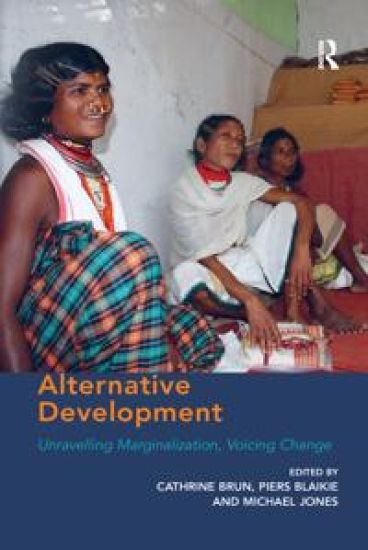
Alternative Development

Alternative Development

Cathrine Brun; Piers Blaikie

Routledge
2016
nidottu
This book brings together a collection of essays that discuss alternative development and its relevance for local/global processes of marginalization and change in the Global South. Alternative development questions who the producers of development knowledges and practices are, and aims at decentring development and geographical knowledge from the Anglo-American centre and the Global North. It involves resistance to dominant political-economic processes in order to further the possibilities for non-exploitative and just forms of development. By discussing how to unravel marginalization and voice change through alternative methods, actors and concepts, the book provides useful guidance on understanding the relationship between theory and practice. The main strength of the book is that it calls for a central role for alternative development in the current development discourse, most notably related to justice, rights, globalization, forced migration, conflict and climate change. The book provides new ways of engaging with alternative development thinking and making development alternatives relevant.
Alternative Development

Alternative Development

Cathrine Brun; Piers Blaikie

Routledge
2014
sidottu
This book brings together a collection of essays that discuss alternative development and its relevance for local/global processes of marginalization and change in the Global South. Alternative development questions who the producers of development knowledges and practices are, and aims at decentring development and geographical knowledge from the Anglo-American centre and the Global North. It involves resistance to dominant political-economic processes in order to further the possibilities for non-exploitative and just forms of development. By discussing how to unravel marginalization and voice change through alternative methods, actors and concepts, the book provides useful guidance on understanding the relationship between theory and practice. The main strength of the book is that it calls for a central role for alternative development in the current development discourse, most notably related to justice, rights, globalization, forced migration, conflict and climate change. The book provides new ways of engaging with alternative development thinking and making development alternatives relevant.