Kirjojen hintavertailu – 12 859 819 kirjaa ja 27 kauppaa

Kirjailija

Cecil Lowry

Kirjat ja teokset yhdessä paikassa: 5 kirjaa, julkaisuja vuosilta 2015–2024, suosituimpiin kuuluu Frank Pantridge MC. Vertaile teosten hintoja ja tarkista saatavuus suomalaisista kirjakaupoista.

5 kirjaa

Kirjojen julkaisuvuodet: 2015–2024.

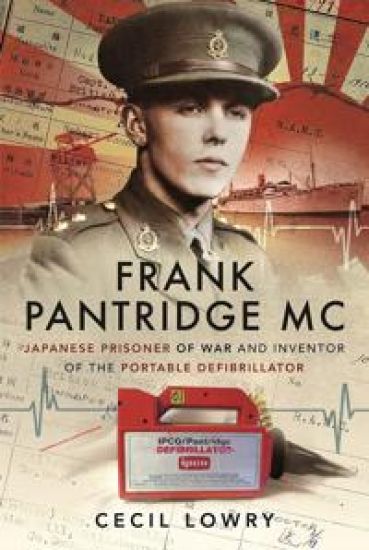
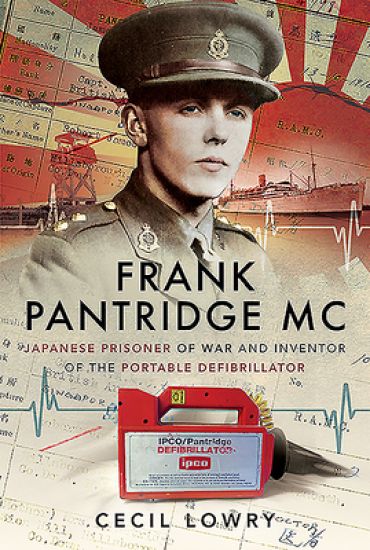
Frank Pantridge MC

Frank Pantridge MC

Cecil Lowry

PEN SWORD BOOKS LTD
2022
nidottu

Halvin toimitettuna 26,90 €

Countless thousands of men and women around the world have good reason to be thankful that Frank Pantridge survived three and a half years of brutal Japanese captivity. Had he not, they too would in all probability have died too. Taken prisoner at the fall of Singapore in February 1942 Frank was forced to endure appalling deprivation. Conditions on the Burma railway were notorious, and the death rate was horrendous. On returning to Belfast in late 1945 Frank specialised in heart diseases. Convinced that the prompt application of electric shock after cardiac arrest could save lives he reasoned that ventricular defibrillation should be applied not just in hospitals but in the workplace, the home, the street or ambulance. His first portable' defibrillator was produced in 1965 and over the intervening years evolved into the compact units so prevalent today. The importance of Pantridge's invention was well demonstrated when US President Lyndon B Johnston's life was saved in 1972. This stirring biography reveals the full story of a remarkable man who survived against the odds to save countless lives.
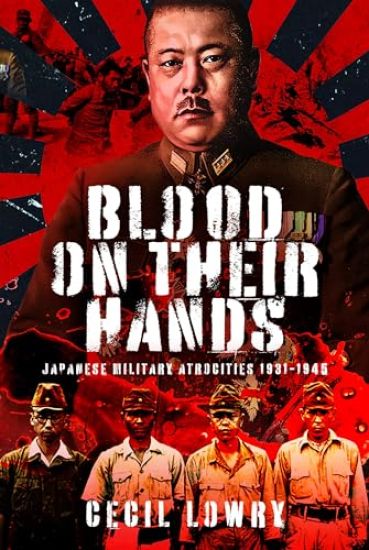
Blood on Their Hands

Blood on Their Hands

Cecil Lowry

PEN SWORD BOOKS LTD
2024
sidottu
From its invasion of Manchuria through to the Allies’ victory in 1945 the Japanese Imperial Army was guilty of widespread atrocities against its enemies and, in particular, the civilians of occupied countries. Massacre, human experimentation, starvation, forced labour and even cannibalism were commonplace during that period. It has been estimated that the number of deaths which resulted from these atrocities range from anything from three to fourteen million people. Using this appalling record the author explains in graphic detail the cruelty of Japanese military forces, drawing attention to the impact on ordinary people. He explores the possible reasons why people committed such horrendous acts. Seventy-eight years have passed since the surrender, yet the Japanese government has never squarely acknowledge their crimes, nor has it made an official apology. Over the years since, a handful of extreme right-wing elements in Japan has depicted the war and the atrocities as ‘the liberation of backward nations.’ They have attempted to reinterpret bloody massacres as 'a self-defensive holy war.' As his father Hugh Lowry suffered grievously as a Prisoner of War on the infamous Thai/Burma Railway, the author knows first-hand of the lasting psychological and physical wounds suffered by victims of Japanese brutality. This disturbing book should serve as a warning that such extreme and widespread behaviour should never be repeated.
Frank Pantridge: Japanese Prisoner of War and Inventor of the Portable Defibrillator
Countless thousands of men and women around the world have good reason to be thankful that Frank Pantridge survived three and a half years of brutal Japanese captivity. Had he not, they too would in all probability have died too. Taken prisoner at the fall of Singapore in February 1942 Frank was forced to endure appalling deprivation. Conditions on the Burma railway were notorious, and the death rate was horrendous. On returning to Belfast in late 1945 Frank specialised in heart diseases. Convinced that the prompt application of electric shock after cardiac arrest could save lives he reasoned that ventricular defibrillation should be applied not just in hospitals but in the workplace, the home, the street or ambulance. His first ‘portable’ defibrillator was produced in 1965 and over the intervening years evolved into the compact units so prevalent today. The importance of Pantridge’s invention was well demonstrated when US President Lyndon B Johnston’s life was saved in 1972. This stirring biography reveals the full story of a remarkable man who survived against the odds to save countless lives.
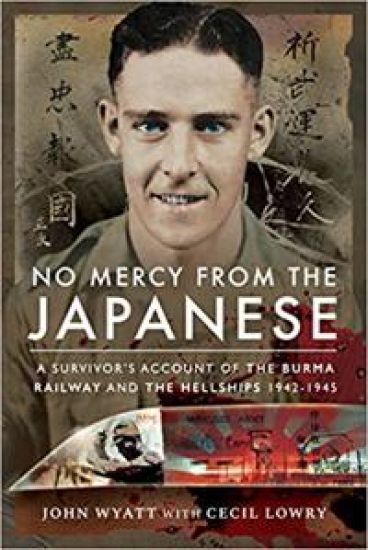
No Mercy from the Japanese

No Mercy from the Japanese

John Wyatt; Cecil Lowry

Pen Sword Military
2019
nidottu
By the laws of statistics John Wyatt should not be here today to tell his story. He firmly believes that someone somewhere was looking after him during those four years. Examine the odds stacked against him and his readers will understand why he hold this view. During the conflict in Malaya and Singapore his regiment lost two thirds of its men. More than three hundred patients and staff in the Alexandra Military hospital were slaughtered by the Japanese - he was the only known survivor. Twenty six percent of British soldiers slaving on the Burma Railway died. More than fifty men out of around six hundred died aboard the Aaska Maru and the Hakasan Maru. Many more did not manage to survive the harshest Japanese winter of 1944/45, the coldest in Japan since record began. John's experiences make for the most compelling and graphic reading. The courage, endurance and resilience of men like him never ceases to amaze.
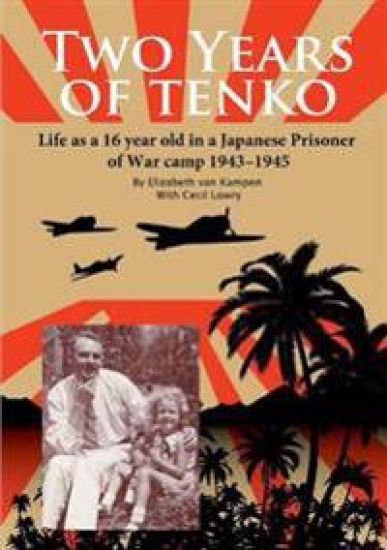
Two Years of Tenko: Life as a Sixteen Year Old in a Japanese Prisoner of War Camp
In 1941 Elizabeth van Kampen was a fourteen year old Dutch girl living with her parents on the island of Java. In January 1942, the Japanese invaded Java and her father was taken to an all male internment camp. Elizabeth's mother was now left alone to look after her daughters. Four months later the van Kampens were sent to a women's internment camp where food was scarce to non existent. For the next two years they were subjected to unspeakable horrors and deprivations at the hands of a barbaric enemy. When the Japanese surrendered in August 1945, the Van Kampen family returned to Holland. Elizabeth was desperate to obtain news of her father and was devastated to learn that her father had died in the internment camp. In the year 2000 she visited Japan and despite her harrowing experiences, she harbours no lasting bitterness towards the Japanese. This is her story